
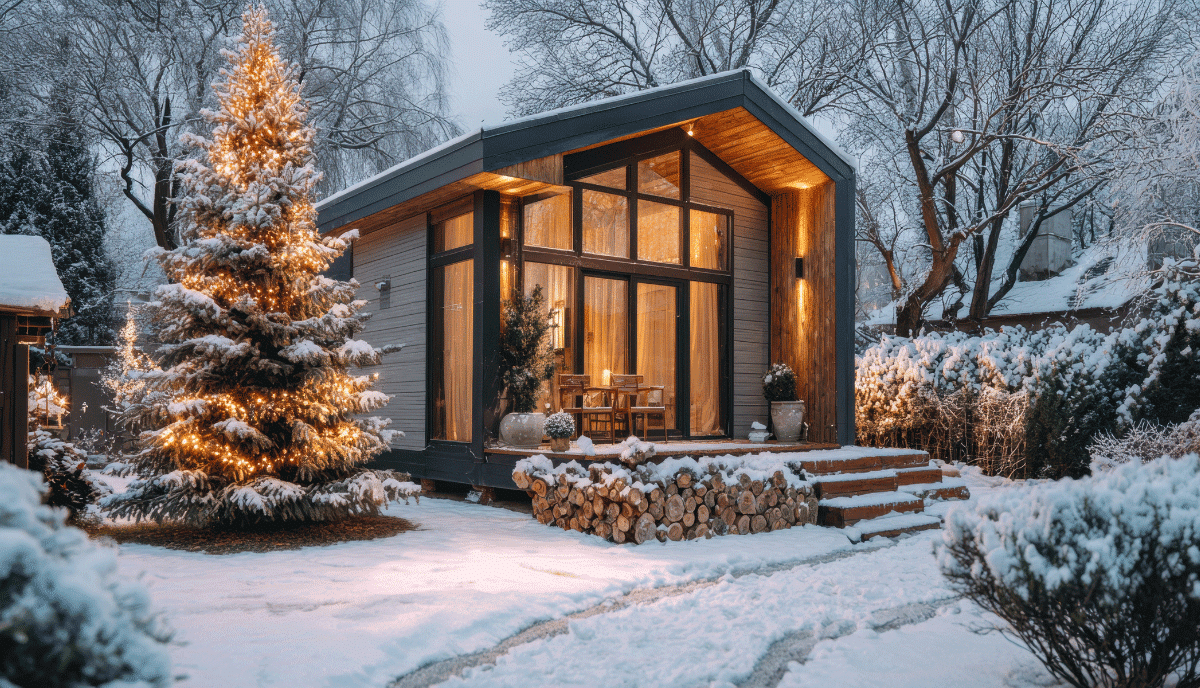
You don’t have to hide your gardening gloves at the back of your entryway closet or in your shed when winter comes along. Instead of the end of an attractive landscape, think of it as just another seasonal opportunity to get creative. Yes, most plants go dormant and their colors fade, which isn’t very appealing, but there are other ways to keep your garden alive in the cold.
Use the snow-lined bare branches to your advantage and combine them with these winter landscaping ideas to create an outdoor space that offers warmth and function in the coldest season of the year.
1. Decorative Lighting

When your greenery falls short during the winter months, it’s time to bring in reinforcements to get your landscape glowing again. Decorative lighting can provide that extra touch that illuminates your garden and takes the focus off the bare branches. Or if you use it wisely, you can draw attention to those same bare branches to make them a standout feature.
Layer different types of lighting by draping fairy lights through bare branches, placing soft lights along your pathways, and highlighting architectural features with spotlights. You can opt for warm-toned bulbs to cast a golden glow for contrast, or choose cool-toned ones to complement the cold aesthetic of winter.
2. Evergreen Borders
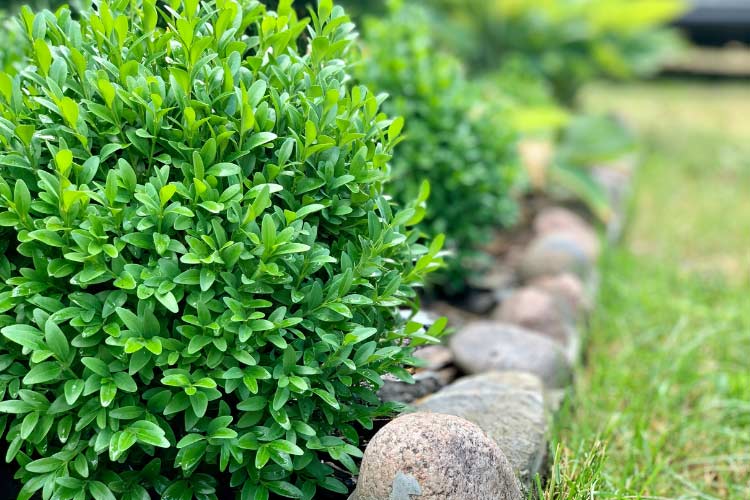
Evergreen plants are there to keep your winter landscape alive while other plants go into hibernation. Use these winter landscaping ideas to form natural borders, hedges, or privacy screens that’ll stay lush and green throughout the year. Larger evergreen varieties also reduce wind exposure and act as natural sound barriers, but you can go for dwarf shrubs if you’re working with a smaller yard.
Boxwood, holly, juniper, and pine are just some of the varieties that can withstand the cooler temperatures and resist frost. You can intersperse them with deciduous plants for layers of visual interest as the seasons come and go.
3. Rock Garden
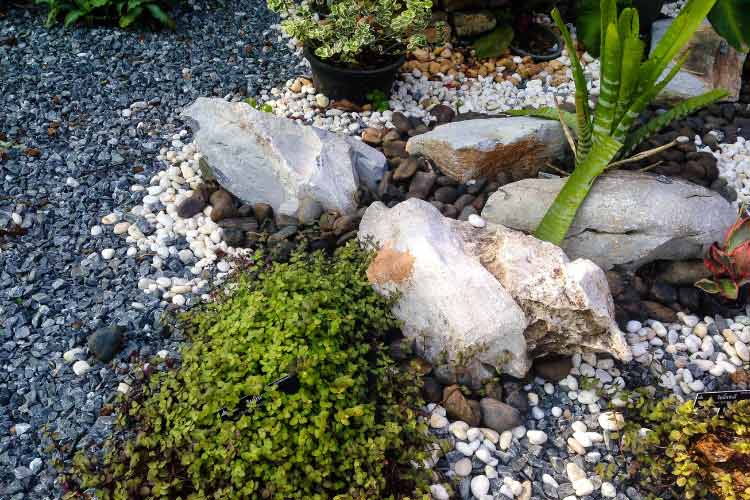
You’d think that rock gardens are better suited to desert-style, warm landscapes. The truth is that they work just as well in snowy, icy conditions. You can incorporate hardy plants, like sedum or creeping thyme, into the design because they can survive cold temperatures. But the key is to let the rocks do all of the talking because they’ll always maintain their appeal and structure.
Large borders make gorgeous focal points, and smaller pebbles are the perfect pathway or border materials. The rocks also help with drainage to prevent soggy patches during winter rain and they require very little maintenance. This is perfect if you don’t see yourself tending to your garden when it’s too cold to think straight.
4. Winter Blooms
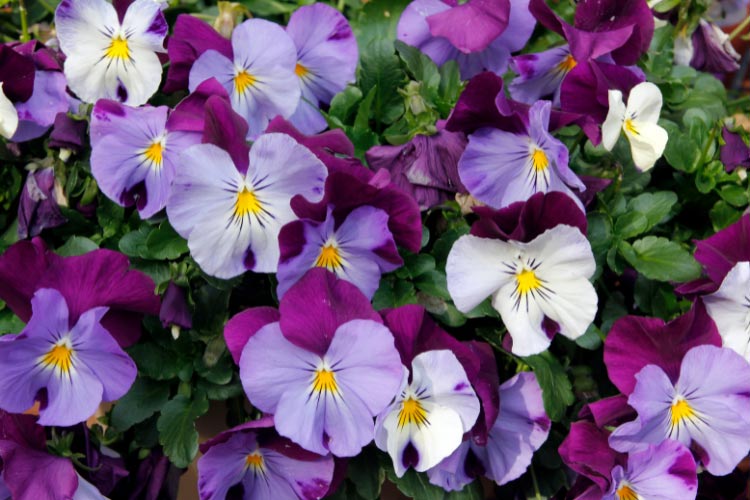
Did you think winter landscaping ideas can’t include flowers? Winter doesn’t mean no flowers. Winter plants like hellebores, pansies, witch hazel, and camellias bloom even in cold temperatures. They bring unexpected color and life to your landscape, especially if you plant them near entrances, walkways, or patios where they’ll be appreciated.
You can group them in raised beds or containers to make maintenance easier and pair them with ornamental grasses for added texture. Winter blooms provide subtle fragrances and soft hues of pale pinks, creamy whites, and deep purples, while attracting pollinators and keeping the local ecosystems alive.
5. Bark Accents

When the leaves start falling, bark steps up and takes center stage. The beauty of trees like birch, dogwood, and maple is that their bark textures and colors are striking enough to maintain your garden’s natural artistry. Think of the white peeling bark of birch trees and picture them gleaming against the snow, or the bold crimson stems of red twig dogwoods adding contrast and unexpected color. Combine them with other winter landscaping ideas (decorative lighting, evergreen borders, etc.) and your garden will be more than ready for the coming winters.
6. Plants with Berries

Berries aren’t just for indoor Christmas displays or smoothies. Winter berries add pops of red, orange, and yellow to your landscape and attract hungry birds looking for something juicy to snack on. There are many suitable choices, from holly and winterberry to pyracantha, and you can pair them with dark evergreens for a rich display. Place them near windows or pathways so you and your guests can enjoy their beauty up close, and it makes it easier to clip some berries for your Christmas decor.
7. Ornamental Grasses
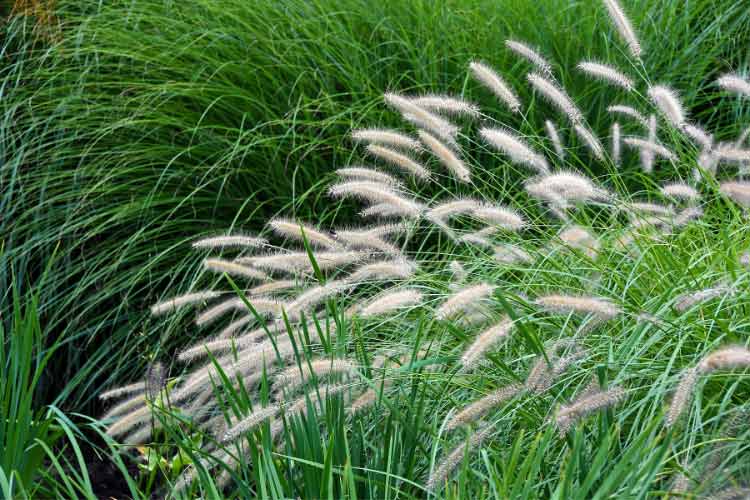
While everybody runs to the winter bloom and evergreen shrub aisles at the garden center, ornamental grasses are the real unsung heroes of the winter garden. Miscanthus, fountain grass, and switchgrass maintain their form and their golden tones contrast beautifully against snow and evergreen backdrops.
And when ornamental grasses do start drying up, their plumes and blades create movement and texture, as well as a soothing sound as the wind rustles through them. If you leave your grasses uncut until spring, they’ll catch frost and morning dew for a delicate natural painting.
8. Seasonal Decor
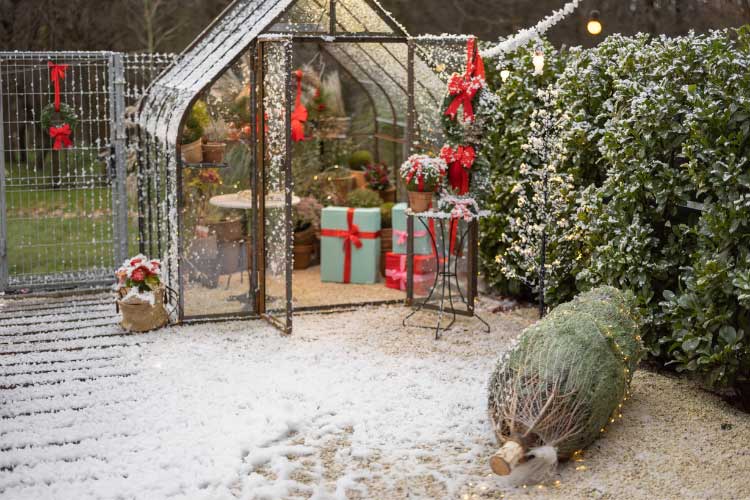
The warmth of the Christmas spirit is enough to mask the harsh coldness of the winter months. Take advantage of this and turn your winter landscape into a seasonal display with holiday decor. Think wreaths made of pine, festive ribbons wrapped around trees, and planters with evergreen branches and twinkling fairy lights. You can maintain your winter theme after the holidays with neutral decorations like snowflakes, wooden accents, pinecones, berries, twigs, and lanterns.
9. Colorful Mulch Beds

Colorful mulch is one of the fastest ways to revive a dull winter garden. Instead of the standard, boring mulch, opt for dyed wood chips in shades of red, brown, and black to define your flower beds and borders. Not only does it enhance visual appeal, but it also insulates plant roots against frost and retains soil moisture.
Even when the flowers in the beds fade, the mulch will stay colorful and vibrant. If you refresh your mulch regularly and pair it with decorative stones, bark, and pine needles, your garden will be tidy year-round.
10. Artificial Turf

Not everybody’s a fan of artificial turf, but it certainly has its benefits. Especially in the winter months when natural grass refuses to grow. If you want the lush, green appearance of your grass to stay consistent throughout the year, you can’t go wrong with artificial turf. It’s low-maintenance, pet-friendly, cost-effective over time, and perfect for busy homeowners.
Furthermore, modern synthetic lawns look surprisingly realistic and they can withstand heavy use without becoming patchy or muddy. Pair your ‘evergreen’ grass with stone pathways, decorative borders, and real evergreen plants for a clean, manicured look that doesn’t require mowing, watering, or reseeding.

Jamie is the founder of The Backyard Pros. When he was 15 years old he started working at a garden centre helping people buy plants, gardening products, and lawn care products. He has real estate experience and he is a home owner. Jamie loves backyard projects, refinishing furniture, and enjoys sharing his knowledge online.