
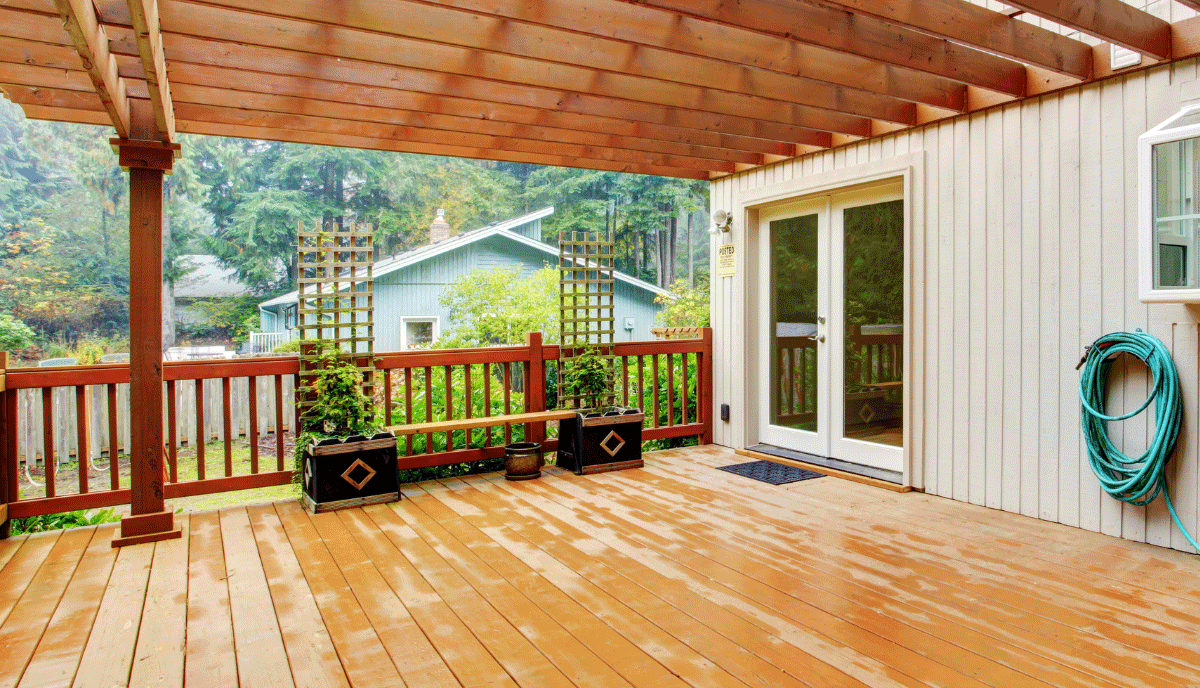
Small decks don’t have the space you need to plant an edible garden or to create a beautiful leafy backdrop. Or do they? With vertical gardening you can transform height into harvest where floor space is limited. You can turn those blank walls, bare railings, and unsightly fences into functional green space. These vertical deck garden ideas allow you to host flowers, herbs, veggies, and trailing plants on your deck without sacrificing space.
1. Trellis Plant Wall
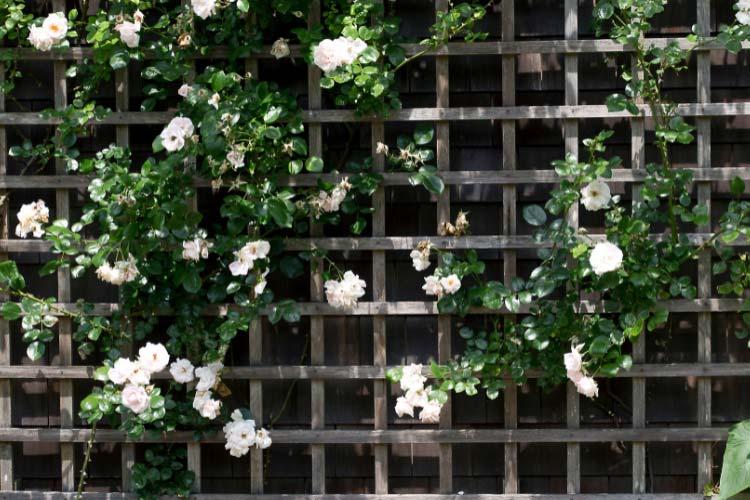
An entire wall with trellis plants? Yes please! Something as simple as a couple of trellises against a blank wall can turn it into a climbing paradise. Possibly with the added bonus of an endless supply of peas, beans, and tomatoes that are free to harvest. Or, you could go the classic route and turn your deck into a colorful vertical flowering wall. Metal, wooden, and composite trellis panels are all easy to mount against fences, walls, or a freestanding frame. They provide structure, improve the airflow, reduce diseases and pests, and they also look pretty. Not to mention the space you’ll save by letting your plants grow vertically rather than horizontally.
2. Tiered Planter
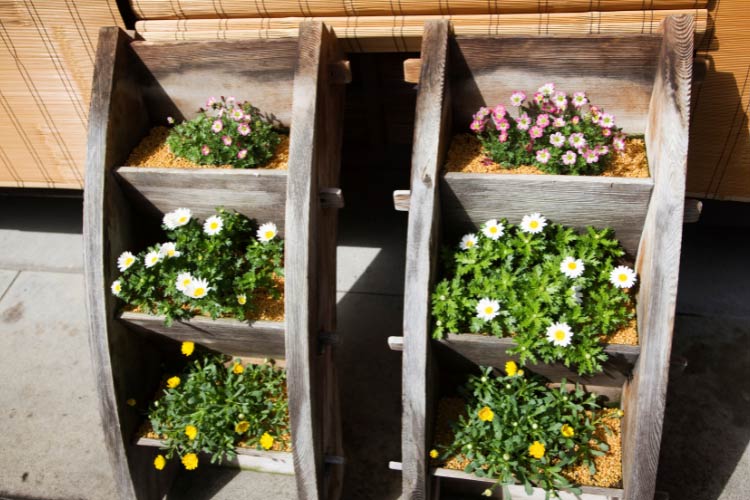
With this vertical deck garden idea, you’re going to be using up some floor space, but it should be no more than a chair would take. The design allows you to stack your plants at multiple levels to create visual depth while taking up very little room. You can turn an unused corner into a productive garden zone by filling the planting ‘pockets’ with herbs, leafy greens, and small flowers. The planters are available in wooden, resin, and metal options and they’re generally lightweight enough to move around. Upper tiers get more sun and dry faster, so you’re going to need to rotate your plants and ensure that your watering system doesn’t overwater lower tiers while upper tiers are drying out.
3. Wall-Mounted Planters
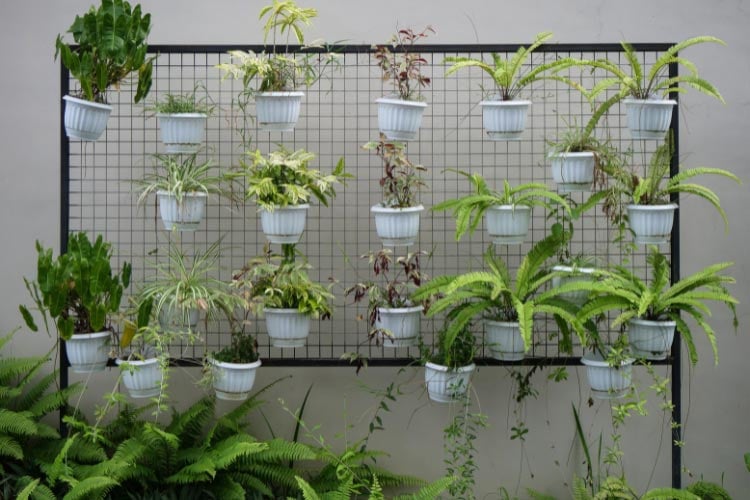
Some planters are tiered, others attach to railings and others are freestanding. Wall-mounted planters combine a function of each of those. They attach directly to the walls of your deck where you can layer them in tiers, in lines, or on their own with sufficient spacing in-between. Use shallow wooden boxes, ceramic pots, or even metal trays to mount your herbs, lettuce, and small flowering plants straight to the walls. The key is to ensure that the planters are mounted properly and that the drainage is excellent.
4. Pegboard Planter Wall
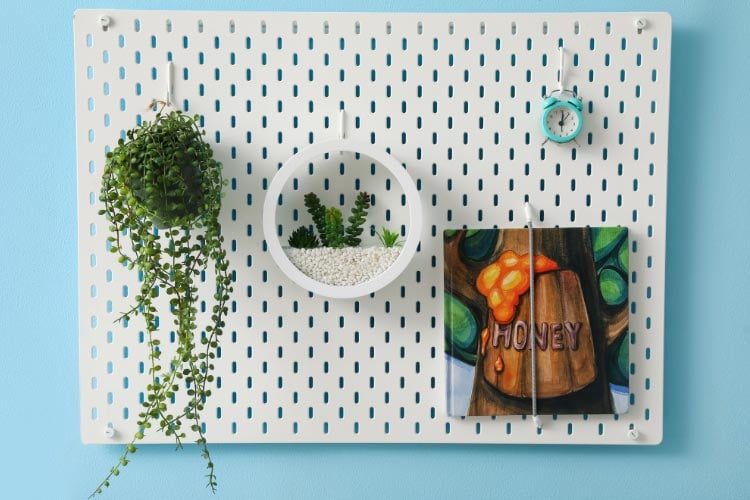
If you’re renting, planning on moving soon, or simply not into the idea of permanent fixtures, you’re going to love this vertical deck garden idea. Instead of mounting each pot or planter to the wall individually, making small holes everywhere, you only need two or four holes for this one. With a pegboard wall, you attach the hanging pots, shelves, or hooks directly onto the board, creating a flexible arrangement of greenery. Any and all lightweight plants will do, from herbs and veggies to trailing flowers. The best part is that you can shift the position of the plants as the need for sunlight changes, or just to refresh the look occasionally.
5. A-Frame Plant Stand
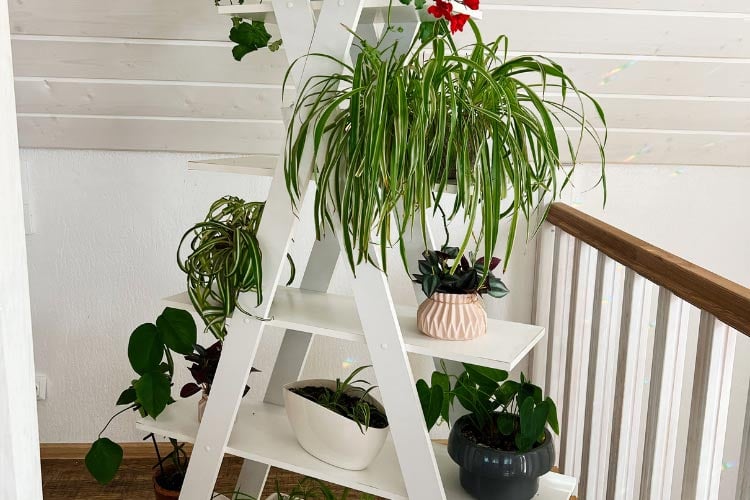
A regular frame? No, an A-frame! These simple stands offer stability and height in a small footprint. Their sloped design with shelves of varying sizes, starting from small at the top and ending with wide at the bottom, is perfect for saving space on your deck. Use your A-frame for everything from herbs and small vegetables to beautiful bright flowers. The layered shelves make it easier to water every plant consistently. It also improves drainage and sun exposure, and you can move the entire frame to ensure that your plants are receiving everything they need.
6. Hanging Basket Wall
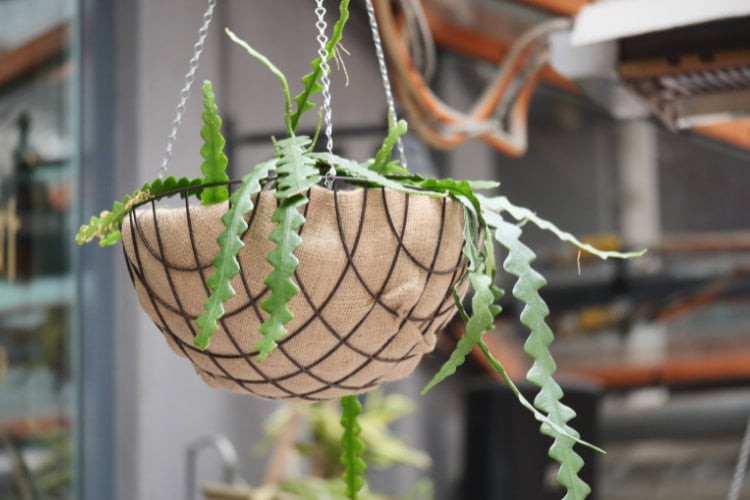
Suspend multiple pots along vertical supports or hooks and call it a garden. Lightweight wooden and metal baskets with drainage holes are perfect for herbs, trailing plants, and small veggies that don’t need too much water. You can even bring out the succulents for this vertical deck garden idea. Use chains or ropes to ensure that the baskets aren’t going to fall with the slightest breeze, and to allow you to move them around to get enough sunlight. Baskets eliminate floor clutter and add layers of greenery at eye level, but they also improve airflow and light penetration, which leads to healthier, happier plants.
7. Hanging Grow Bags
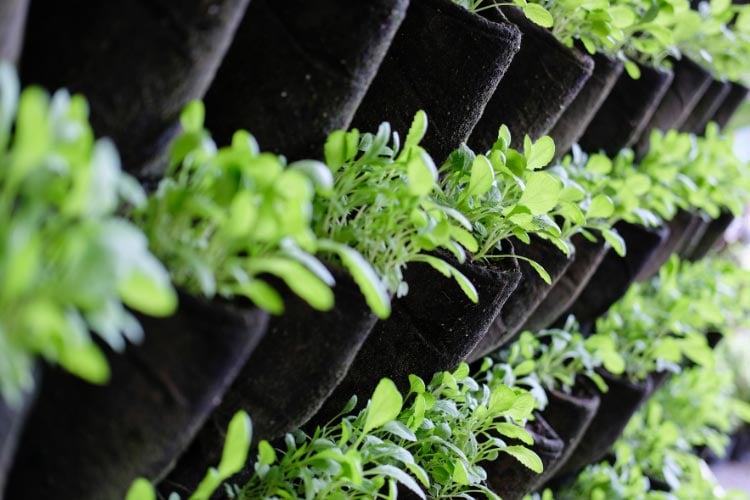
Grow bags are a special invention made of fabric, especially for growing plants in a vertical setup. But you don’t need special bags to make use of this idea. You can also repurpose a hanging shoe organizer to serve the same purpose of turning a wall or railing into a vertical garden. Each pocket is a mini planter with space for small flowers, herbs, and leafy greens. Each plant gets sufficient air thanks to the lightweight fabric, and they’re easier to water and manage thanks to their accessible, layered layout.
8. Suspended Garden
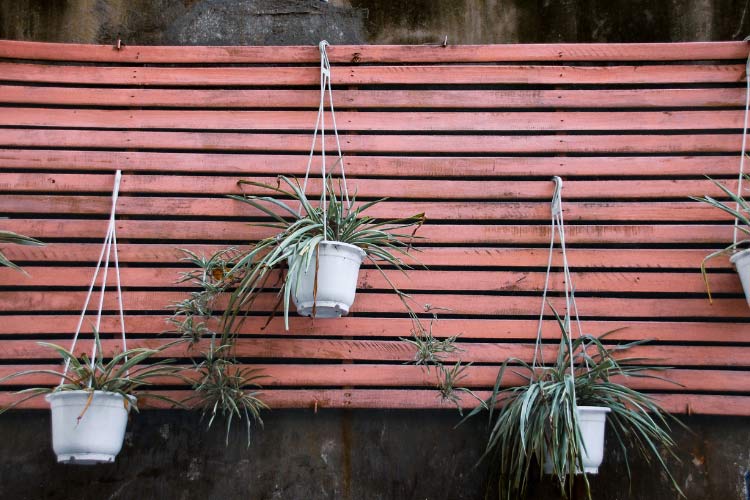
Suspended gardens not only save floor space, but they also leave your walls open if your deck gets too crowded. Instead of hanging your plants on your railings or against walls, hang them in containers from overhead structures, like pergolas, beams, or simple hooks. This keeps your plants out of reach from pets, provides unmatched airflow, and utilizes a space you definitely won’t need. You can plant trailing plants, herbs, or small veggies in lightweight pots or baskets and hang them with wires, but don’t go too high if you choose plants that need constant maintenance and harvesting.
9. Cable Trellis System
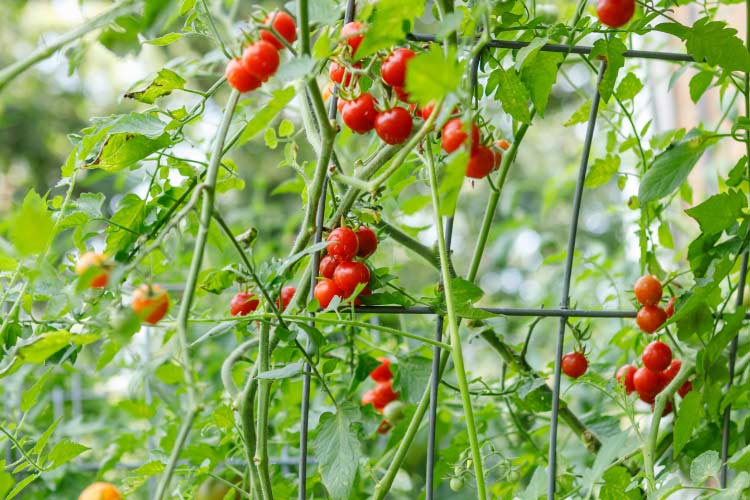
If your gardening budget doesn’t leave room for wooden or metal trellises, or even if you just don’t like the look of them, cable trellises are a great alternative. It’s a lot more affordable than most vertical gardening systems, but it does require more planning and work. Stretch wires horizontally or vertically, or both to make squares, between posts or walls. Plant some climbing plants, including edible varieties like beans, peas, and tomatoes, and allow them to attach naturally to the wires. The end result is a lightweight, flexible, unobtrusive vertical garden that creates a living green wall on your deck.
10. Vertical PVC Planters
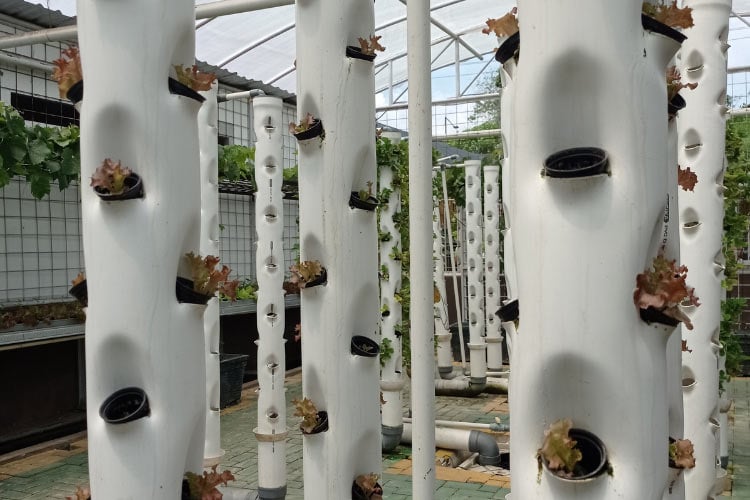
Use a couple of cheap PVC pipes, or even gutters with holes in them for drainage and mount them to a wall. They’re lightweight, they’re durable, and they’re perfect for compact plant varieties. You can paint or decorate the PVC for aesthetic appeal, or leave it plain to allow your plants to take all the shine. Fill your DIY planters with tiny flowers, succulents, herbs, small vegetables, or trailing plants for a deck garden that doesn’t use any space that could’ve been used for something else.
