
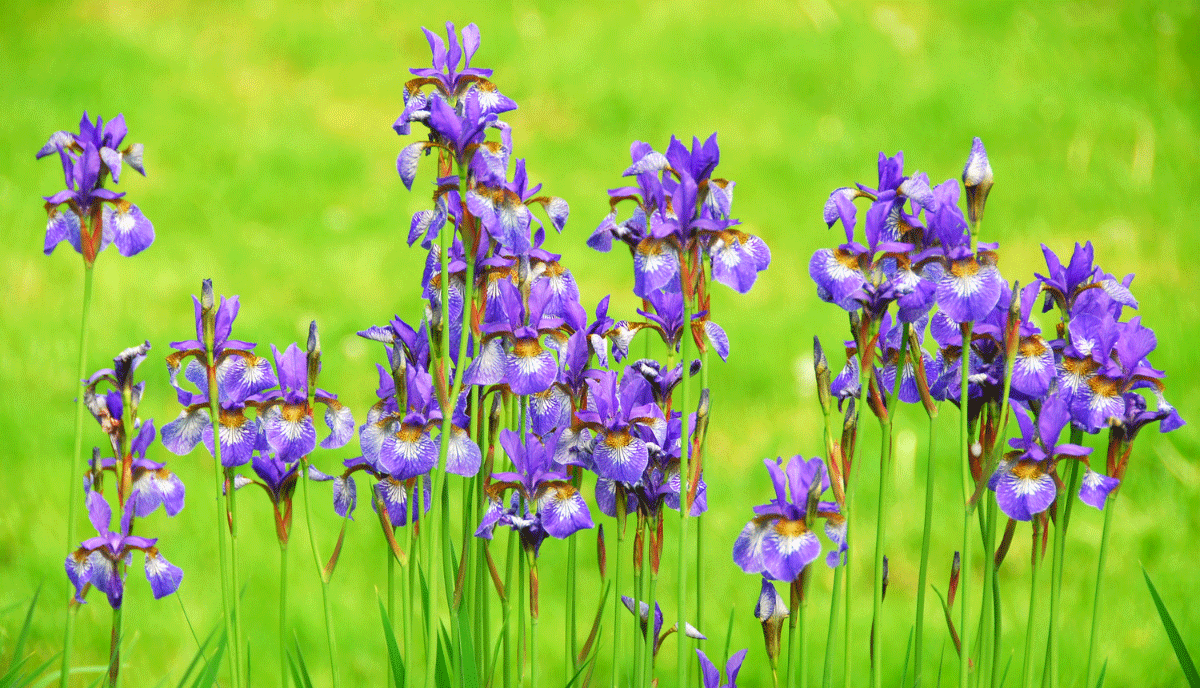
Irises are a classic garden favorite known for their elegant blooms and wide range of colors. They are easy to grow, hardy in many climates, and return year after year with minimal care.
Irises thrive in sunny garden beds and add height, structure, and early-season color to the landscape. From bold bearded types to moisture-loving varieties, these are the most popular irises to grow in your backyard.
1. Bearded Iris
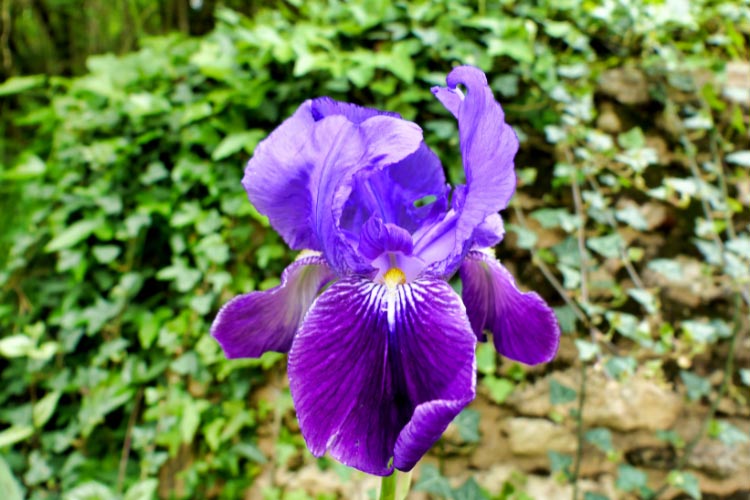
Bearded irises are the most recognizable type, named for the soft, fuzzy “beard” on their lower petals. They come in a wide range of colors and bloom in late spring. Bearded irises prefer full sun and well-drained soil and should be planted with their rhizomes slightly exposed to prevent rot.
2. Siberian Iris
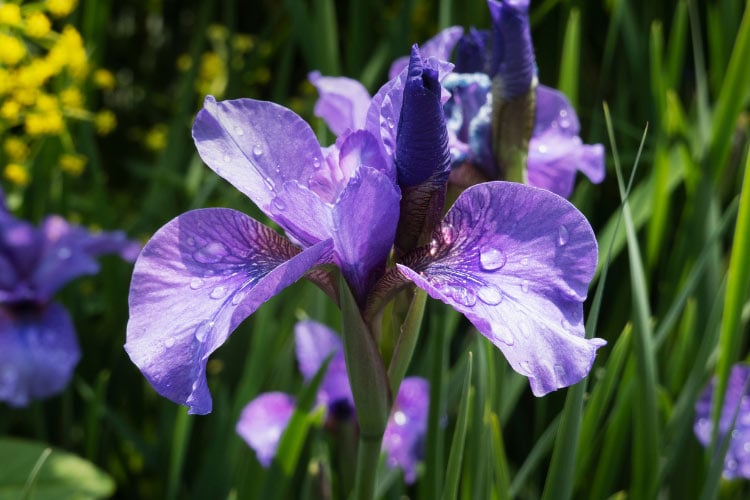
Siberian irises have narrow, grass-like foliage and elegant blooms in shades of blue, purple, white, and yellow. They are very hardy and tolerate colder climates better than many other irises. This variety prefers consistently moist soil and works well in borders and near water features.
3. Japanese Iris

Japanese irises are known for their large, flat blooms and dramatic appearance. They thrive in moist, acidic soil and bloom in early to mid-summer. This variety is ideal for garden areas with consistent moisture or near ponds and streams.
4. Dutch Iris
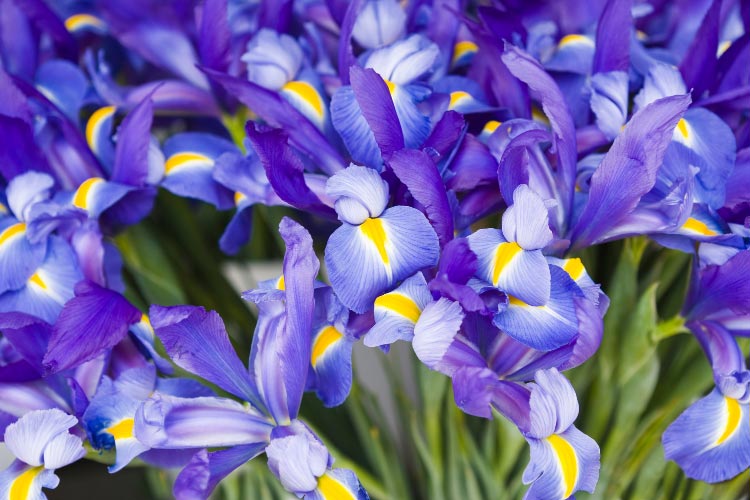
Dutch irises are popular for their slim stems and refined flowers, often used as cut flowers. They grow from bulbs and bloom in late spring to early summer. This variety prefers full sun and well-drained soil and works well in garden beds and containers.
5. Louisiana Iris

Louisiana irises thrive in warm, humid climates and prefer wet or consistently moist soil. They produce vibrant blooms in bold colors and have lush foliage. This variety is perfect for rain gardens, pond edges, and low-lying garden areas.
6. Crested Iris
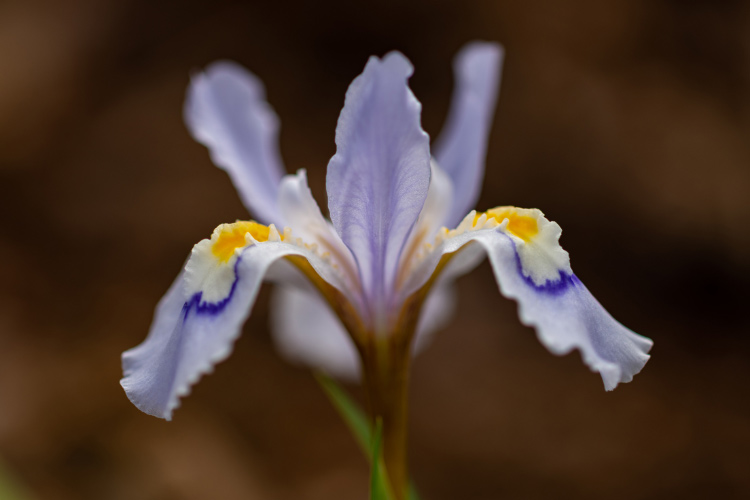
Crested irises are low-growing woodland plants with delicate flowers and a small ridge, or “crest,” on their petals. They spread gently and make excellent ground cover in shady areas. This variety prefers moist, well-drained soil and partial shade.
7. Dwarf Bearded Iris

Dwarf bearded irises are smaller versions of standard bearded irises and bloom earlier in the season. They are ideal for borders, rock gardens, and smaller spaces. This variety prefers full sun and well-drained soil and adds early spring color.
8. Tall Bearded Iris
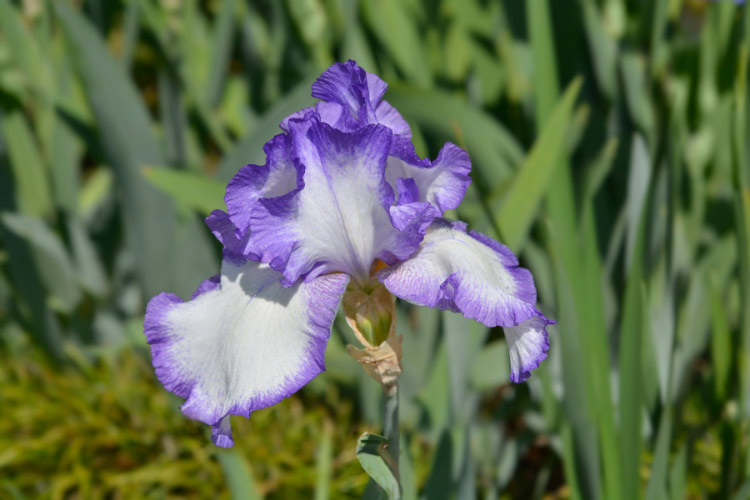
Tall bearded irises are larger plants with tall flower stalks and dramatic blooms. They make a bold statement in garden beds and come in nearly every color imaginable. Like other bearded irises, they require full sun and excellent drainage.
9. Iris reticulata
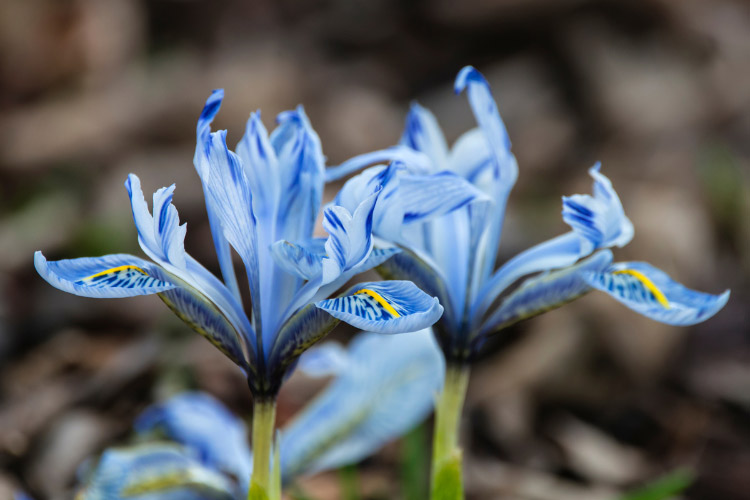
Iris reticulata is a small, early-blooming iris that grows from bulbs. It produces bright blue or purple flowers in late winter to early spring. This variety is perfect for rock gardens and the front of borders.
10. Yellow Flag Iris
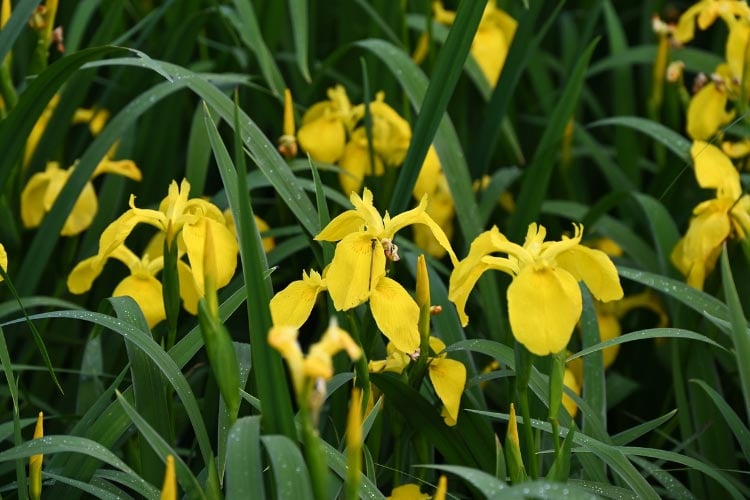
Yellow flag irises are moisture-loving plants with tall stems and bright yellow flowers. They thrive in wet soil and are often grown near ponds or streams. This variety is vigorous and best suited for controlled garden settings.
11. Spuria Iris
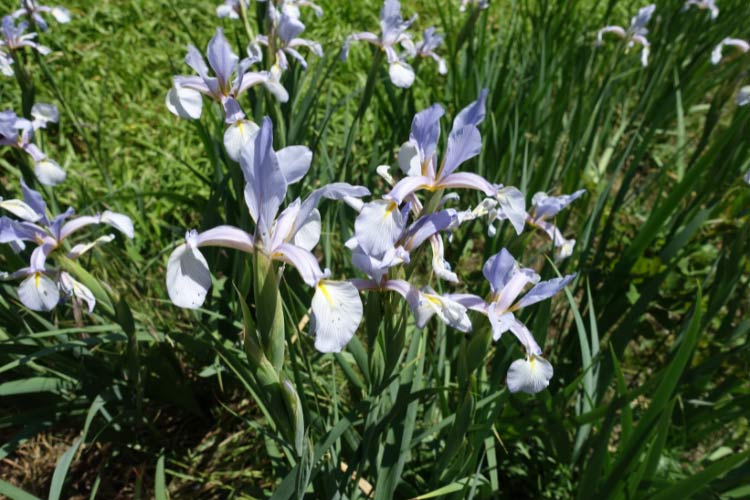
Spuria irises are tall, elegant plants with slender foliage and refined blooms. They bloom later than many other irises, helping extend the flowering season. This variety prefers full sun and well-drained soil and is very drought-tolerant once established.
12. Pacific Coast Iris
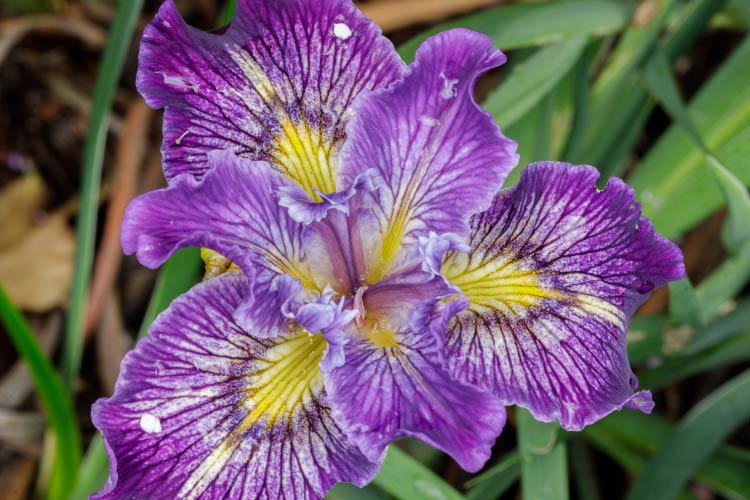
Pacific Coast irises are native to the western United States and thrive in mild climates. They produce intricate flowers in a wide range of colors and patterns. This variety prefers partial shade and well-drained soil and works well in naturalized garden settings.
13. Blue Flag Iris
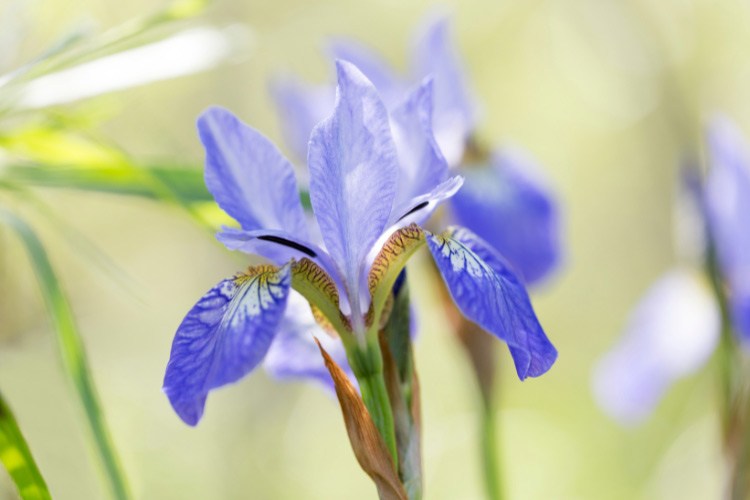
Blue flag irises are native wetland plants with striking blue-purple flowers. They thrive in moist to wet soil and are often planted near ponds or rain gardens. This variety is hardy and excellent for pollinator-friendly landscapes.
14. Walking Iris
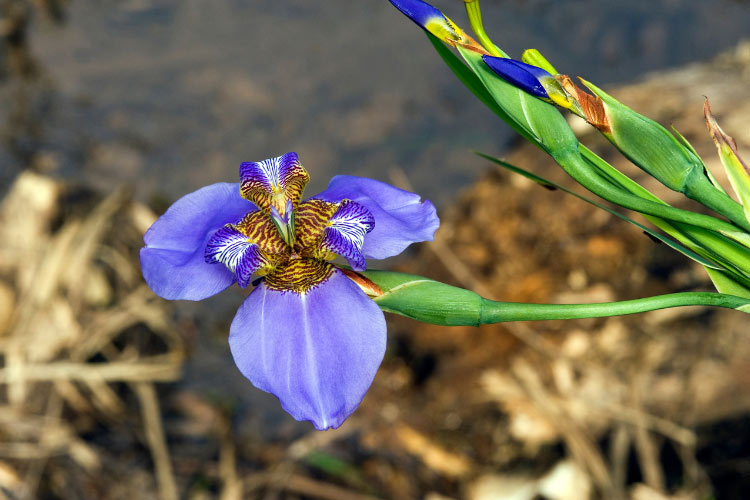
Walking irises are named for their unique way of spreading, as new plantlets form on flower stalks and “walk” away from the parent plant. They produce orchid-like flowers and grow well in warm climates. This variety is often grown in containers or sheltered garden areas.
15. Black Iris
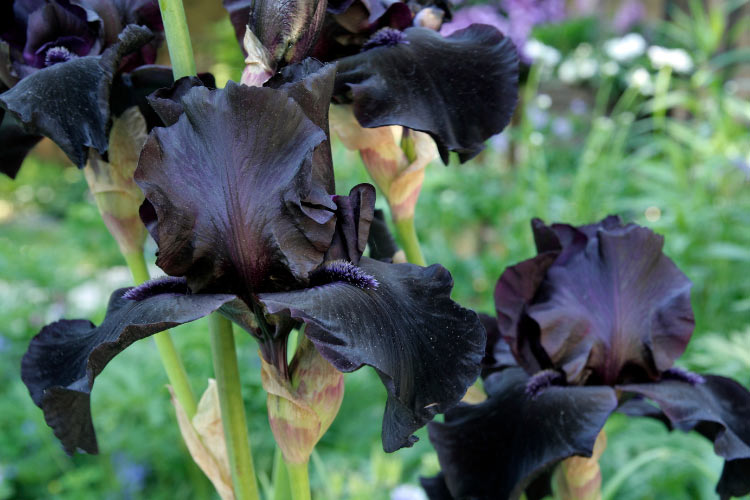
Black irises are prized for their deep, dark purple blooms that appear almost black. They add drama and contrast to backyard gardens. This variety is typically a type of bearded iris and prefers full sun and well-drained soil.

Jamie is the founder of The Backyard Pros. When he was 15 years old he started working at a garden centre helping people buy plants, gardening products, and lawn care products. He has real estate experience and he is a home owner. Jamie loves backyard projects, refinishing furniture, and enjoys sharing his knowledge online.