
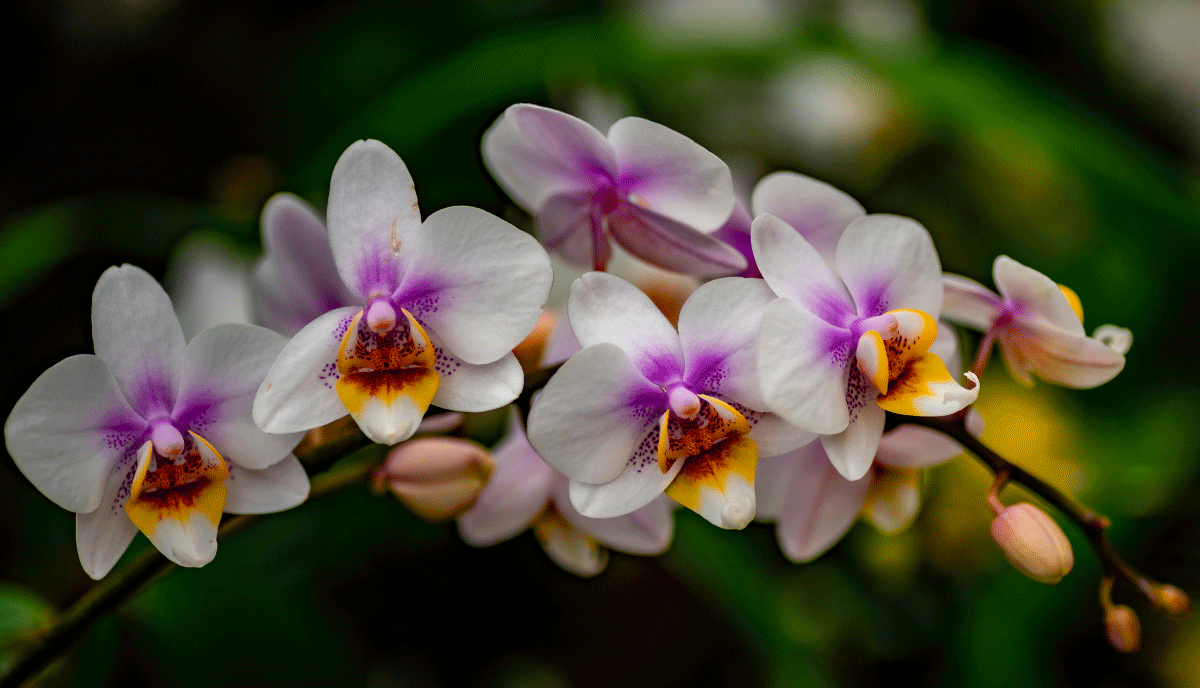
Orchids are known to be the delicate divas of the plant world. Their intricate blooms give your garden a hand-painted touch, while the twisting and stretching petals look like tiny sculptures. Some orchids resemble butterflies, while others look like dancing figures. Orchids truly are botanical masterpieces. But if you don’t give them exactly what they need, from precise humidity and perfect sunlight, they simply say goodbye. Right? Actually, many orchid varieties (even the sensitive ones) can thrive in gardens or sheltered outdoor spaces once you learn their preferences. Here are some stunning orchid varieties you can grow in your garden if you take care of their needs.
1. Orchis Mascula
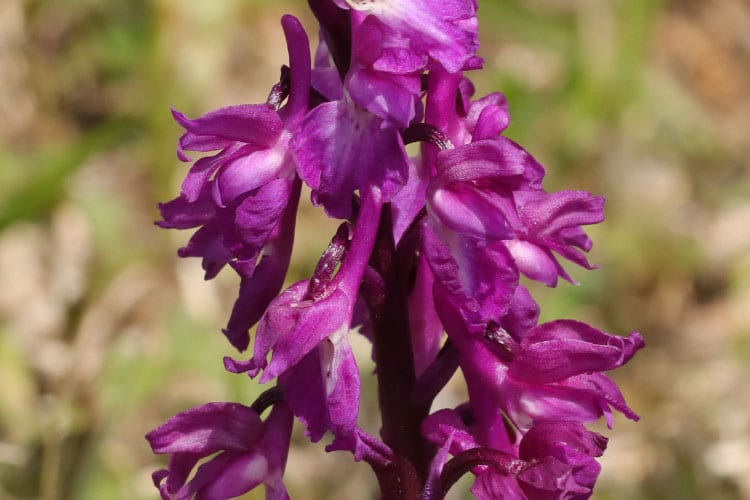
Orchis mascula also goes by early-purple orchid or early spring orchis. Why? Because it flowers early compared to other varieties. It’s one of the first orchids that appear in Spring, turning your garden into a vibrant purple artwork. During other months it’s the dark green leaves that steal the show as long as you provide bright, indirect light, well-draining soil, and moderate moisture.
2. Epipactis Gigantea
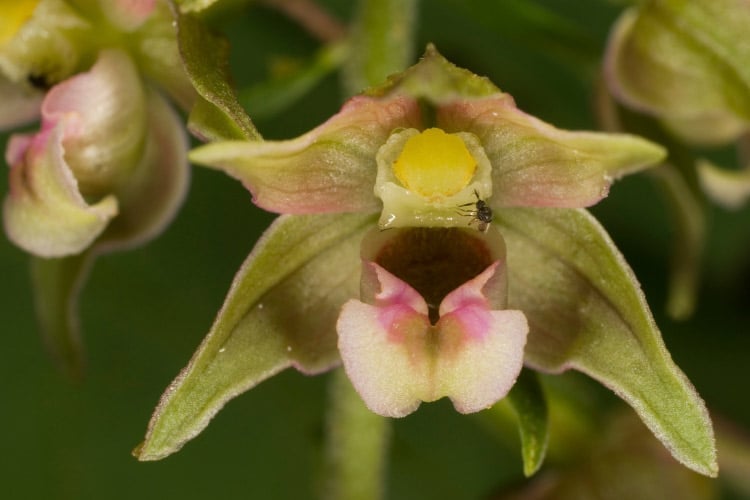
Steam orchid, giant helleborine, and chatterbox. Those are the weird nicknames that Epipactis gigantea have reaped up over the years. It’s one of the most abundant orchids of the Pacific coast of North America, which should tell you something about how hardy it can be. With moist, humus-rich soil and partial shade, this orchid will reward you with gorgeous blooms that stay around for several weeks.
3. Epipactis Palustris
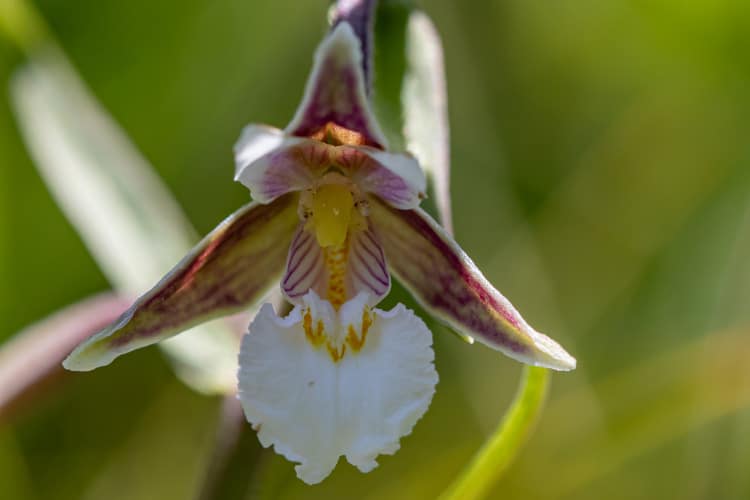
The marsh helleborine is a terrestrial orchid that holds up to 25 small brownish-purple and creamy green flowers per stem. It blooms in summer, rewarding you for the moist to wet, well-drained soil and full or light shade. These orchids look beautiful next to ponds or streams, or in cottage-like gardens when paired with multiple other flower species. It’s worth noting that foliage fades and disappears roughly two months after flowering, and it stays away for the duration of winter.
4. Dactylorhiza Foliosa
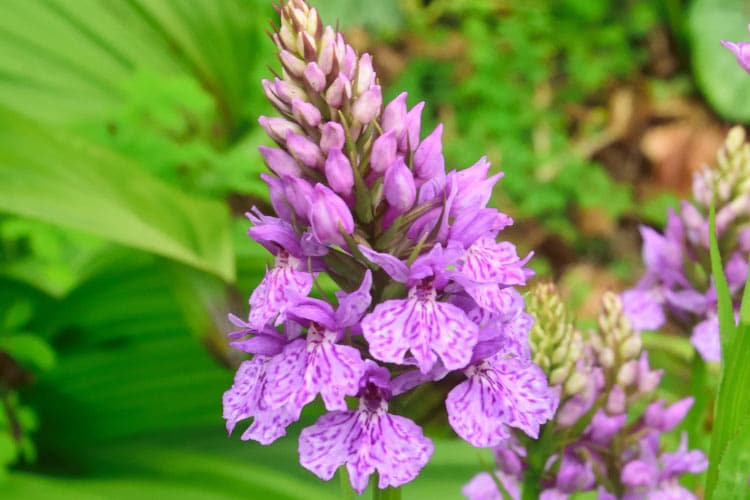
The Madeira orchid or leafy orchid doesn’t look like your everyday orchid. In fact, you may mistake it for another flower because it doesn’t have the large blooms that orchids typically have. Instead, they’re tuberous herbaceous perennials that produce spikes of intense, magenta-pink flowers. Part shade, moist humus-rich, well-drained soil, and love. That’s all these Madeira natives need to thrive.
5. Bletilla Ochracea
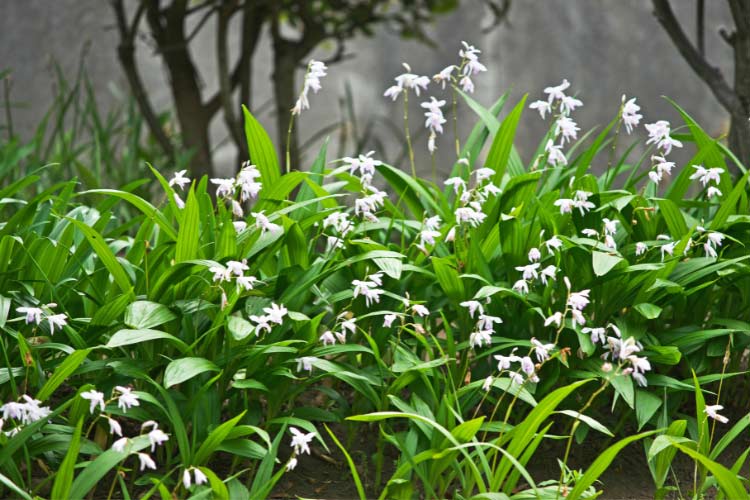
This orchid is native to China and Vietnam, which is part of the reason why it’s also called the Chinese butterfly orchid, or the golden Chinese ground orchid. They’re hardy to zones 7 to 8, where they prefer part shade in evenly-moist, well-drained soil. In late spring, your garden will be covered in delicate, cattleya-like pale yellow flowers with a pale lavender lip that rise above long, pleated green leaves.
6. Pleione Formosana
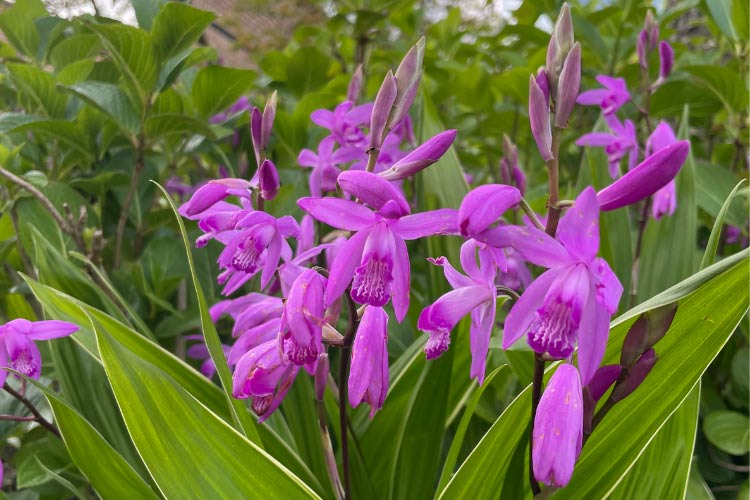
You don’t have to plant the windowsill orchid near your windowsills, but it does require a sheltered spot in partial shade. It’s very easy to grow in sharply drained, moderately fertile, leafy, humus-rich soil and it can withstand very cold temperatures. The flowers are showy and almost oversized if you consider the size of the actual plant. They bloom in spring in shades of rose-pink with red or brown blotches.
7. Bletilla Striata
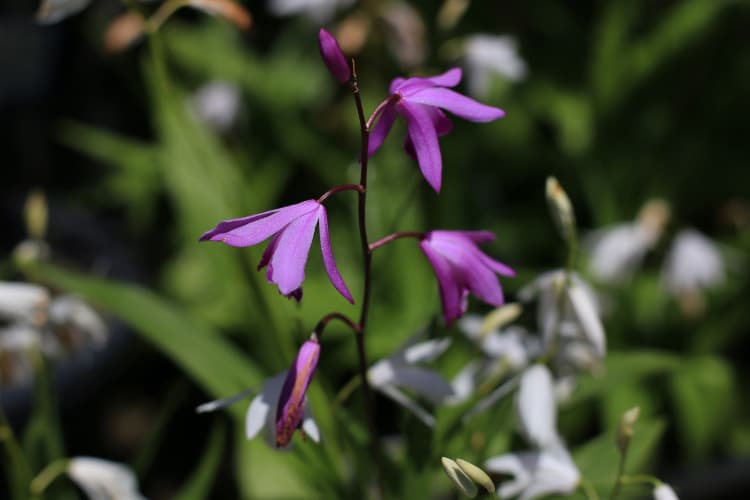
The Chinese ground orchid is even more common and easier to grow than the Chinese butterfly orchid. This one also goes by hyacinth orchid, is purple as opposed to its white and yellow sibling, and is native to Japan, Korea, Myanmar, Tibet, and China. The plant is so hardy and adaptable that it grows in clumps next to grassy slopes with sandy soil. So yes, this is one of the stunning orchid varieties you can grow in your garden without worrying too much.
8. Calanthe Discolor
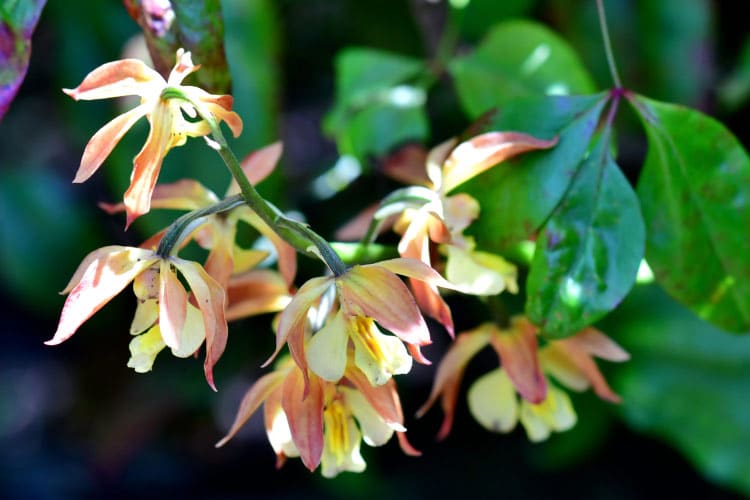
If you want something more neutral than vibrant purple orchids and plain white isn’t going to cut it, you should consider growing the Japanese hardy orchid. Each plant gets up to 10 tiny mahogany and white flowers in mid to late spring and it’s as hardy as the name suggests. Calanthe discolor requires evenly moist, well-drained soil and a sheltered spot in partial shade.
9. Cypripedium Reginae
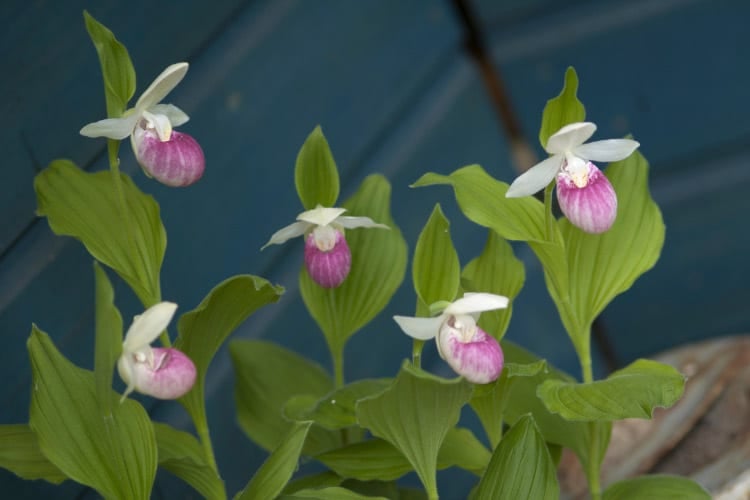
Cypripedium reginae is what your yard needs if you love to make a statement. These orchids do very well near ponds with light wet soil or in a large pot with drainage holes in the sides and proper shade. The pink and white flowers are what gives these orchids their nicknames (showy lady’s slipper, pink lady’s slipper, and queen lady’s slipper) because they look like white feet with soft pink slippers.
10. Ophrys Apifera
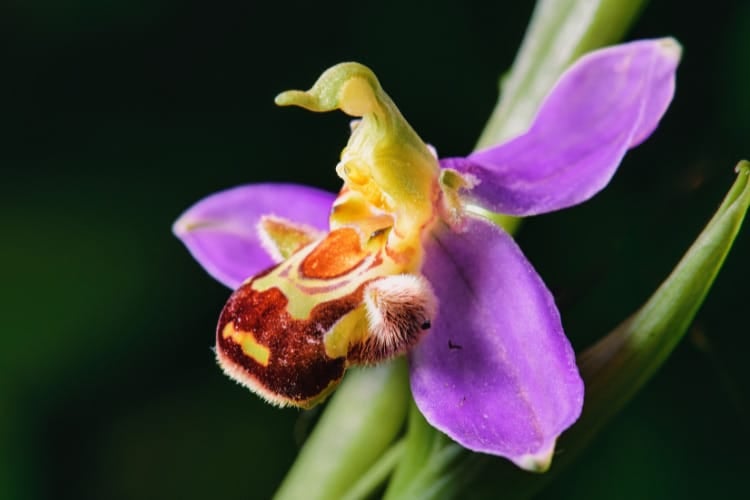
Ophrys apifera is known as the bee orchid because of the intricately patterned velvety lip that resembles a fuzzy female bee. In fact, male bees fly in and try to mate with the beautiful lady, but they only end up pollinating the flower. Ophrys apifera is only one of the many bee orchids as there are currently 25 accepted varieties, including the Argolian bee orchid (Ophrys argolica), the bumblebee orchid (Ophrys bombyliflora), the fly orchid (Ophrys insectifera), and the early spider orchid (Ophrys sphegodes).
11. Dactylorhiza Maculata
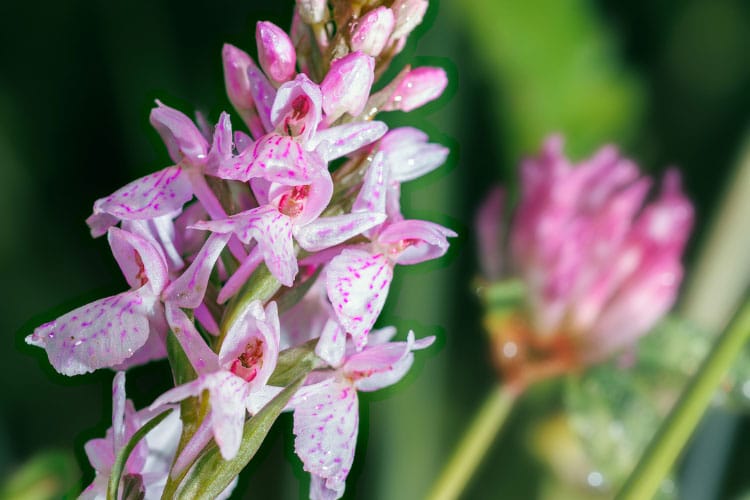
Dactylorhiza maculata is also known as the common spotted orchid, the heath spotted orchid, and the moorland spotted orchid. It’s got lance-shaped leaves that usually have spots and the flower heads are dense. Grow this orchid in moist but well-drained, humus-rich soil with partial shade and it’ll reward you with beautiful flowers in shades of pale pink, mauve, and white with lines or dots in shades of deep red and purple.
12. Sobralia Macrantha
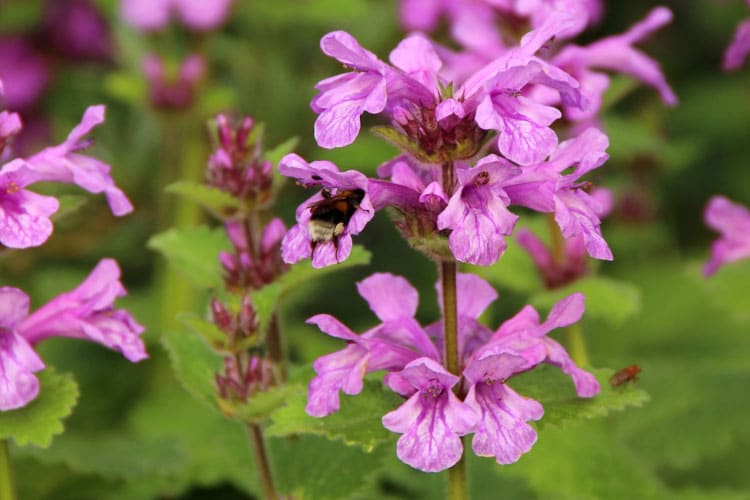
Sobralia macrantha, the orchid that’s more commonly known as the large-flowered sobralia, is native to Central America and Mexico. It grows well in shaded to semi-shaded areas and is considered semi-hardy. Its evergreen bamboo-like stems hold veined leaves and large lilac/pink flowers that appear during summer months. The flowers don’t stick around for long, but the short-lived beauty of these orchids is worth the effort.
