
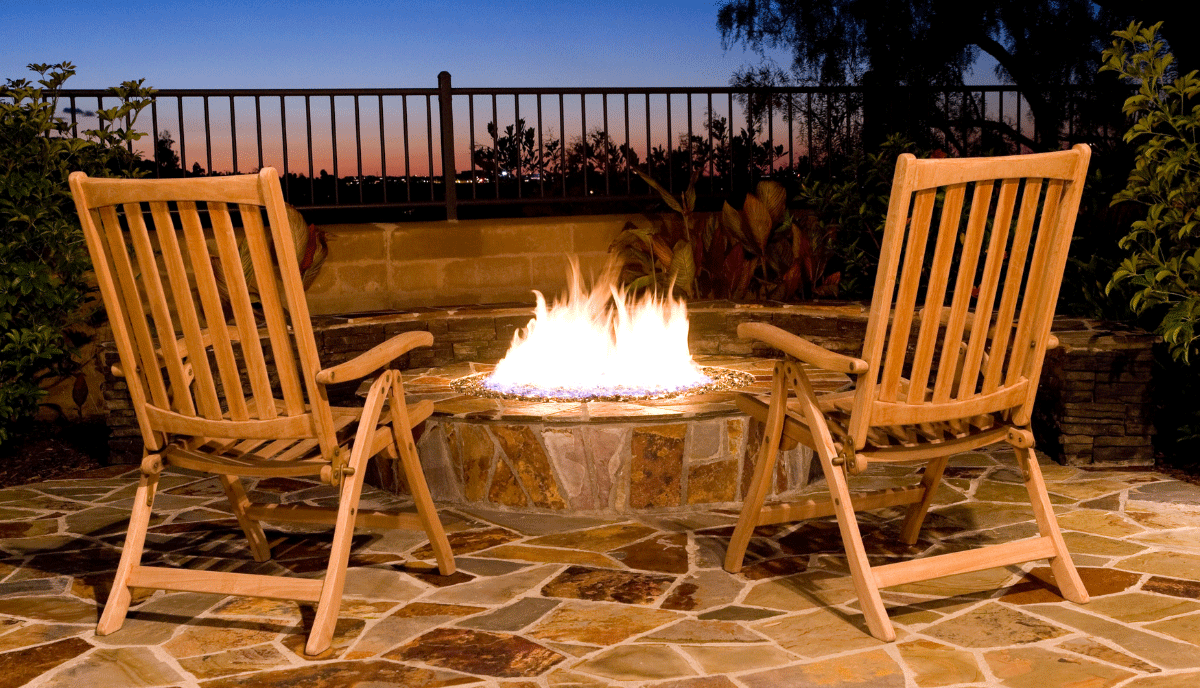
Ah, the fire pit. The campfire’s fancy cousin. This little feature can transform a dull, unused backyard into a lively, polished space where you want to spend as much time as possible. A simple fire pit may even turn you into an extrovert because you’re going to want to invite people over all the time. But it isn’t the fire pit itself that does all the work. The magic actually lies in the pavers because they upgrade the entire aesthetic. They also bring many benefits, but you’ll learn about that as you work through this list of fire pit paver ideas.
1. Classic Circular Paver Fire Pit
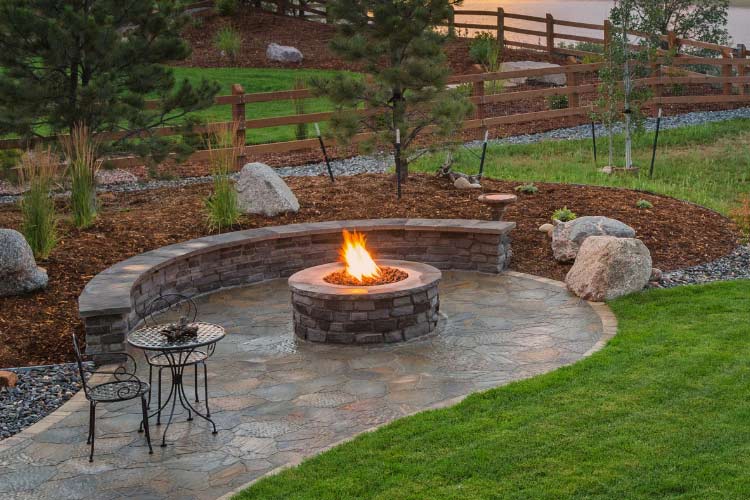
The name says it all because the circular paver fire pit is a classic. It’s familiar, welcoming, and instantly comfortable. The round design avoids awkward angles, which then encourages conversation as everyone faces the fire. Start the installation process with a compacted gravel base followed by a sand leveling layer. Stack the pavers bonded with masonry adhesive and pair them with curved seating walls or outdoor chairs. You can choose between a vast range of colors and textures, from sandstone to charcoal. You also need to decide if you want a low pit for a campfire vibe or a slightly higher option that provides more warmth.
2. Modern Square Paver Fire Pit
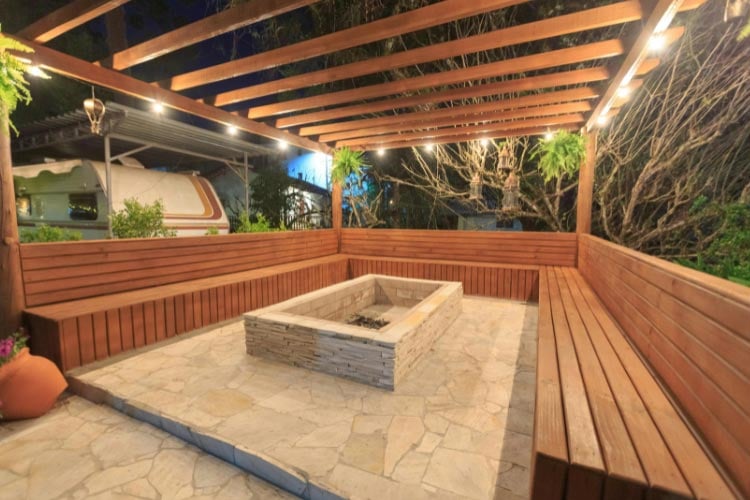
A square paver fire pit screams more outdoor lounge and less campfire. It’s a modern design choice that calls for wine glasses rather than marshmallows. It’s intentional, structured, and absolutely perfect for minimalist patios, contemporary yards, and modern architectural homes. Large concrete pavers in smooth finishes elevate the look of any space, especially in shades like slate gray, concrete white, and soft taupe. Unlike circular paver fire pits, modern square paver fire pits need height. A taller build adds a sculptural feel, turning a standard feature into a statement piece.
3. Hexagon Paver Fire Pit
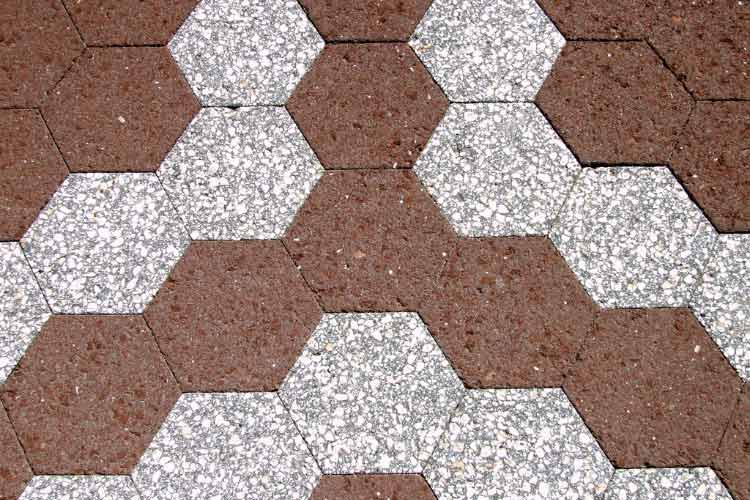
A hexagon paver fire pit is a stable and symmetrical choice that breaks away from straight lines. The six-sided shape adds visual interest without cluttering or overwhelming the space. It feels intentional with the familiar inviting flow of a circular pit. Use smaller pavers or trapezoid-shaped blocks specifically designed for fire pits and go for a color scheme that’ll create the vibe you’re looking for. Think warm browns and tans for a rustic feel, or deep charcoal for a modern alternative. Hexagons are also easier to align than full curves and seating placement comes naturally.
4. Gravel-And-Paver Fire Pit
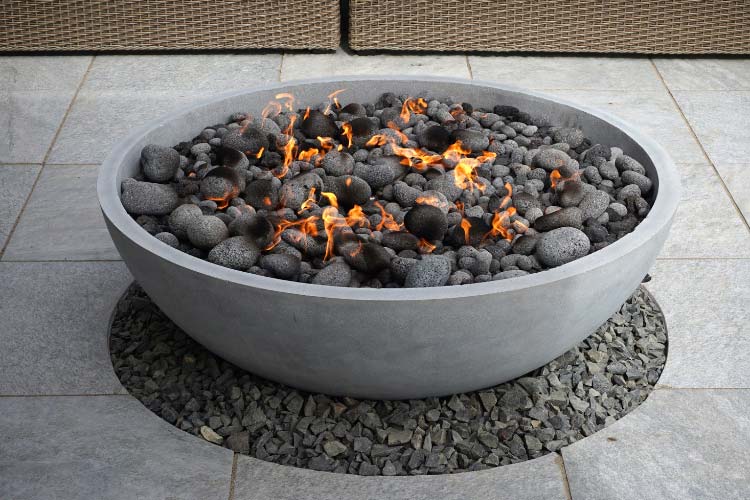
Pavers are great, especially for fire pits, but adding gravel takes it up a notch. It’s a laid-back yet genius design choice that’s more practical than you may think. Gravel provides excellent drainage, reduces material costs, and adds a gorgeous contrasting texture to your fire pit. It also acts as a safe landing area for stray sparks, preventing them from landing on flammable surfaces. A gravel-and-paver combination fire pit is easy enough to DIY because you only need to stack some pavers and surround them with gravel, crushed stone, or decomposed granite. To keep the gravel from wandering off, you can add metal, stone, or concrete edging to your design.
5. Rustic Brick Paver Fire Pit
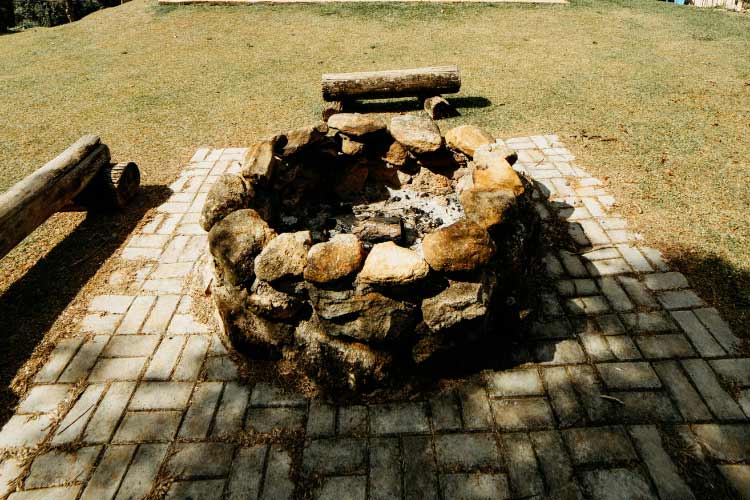
Bricks and fire pits go together so well that not including them in this list would be against the rules. Brick paver, especially reclaimed ones, bring warmth, texture, and a sense of history that you won’t be able to achieve with modern materials. They’ve got so much character and so many stories to tell that the fact that they handle heat well doesn’t even top the list of benefits. You also get to choose between different patterns and layouts, from running bond to herringbone, as well as between many color palettes. Light mortar highlights individual bricks, while dark mortar creates a unified look. The existing subtle color variations and worn edges of the rustic bricks are just going to get better as time passes, giving your fire pit a lived-in quality.
6. Mixed-Size Paver Fire Pit
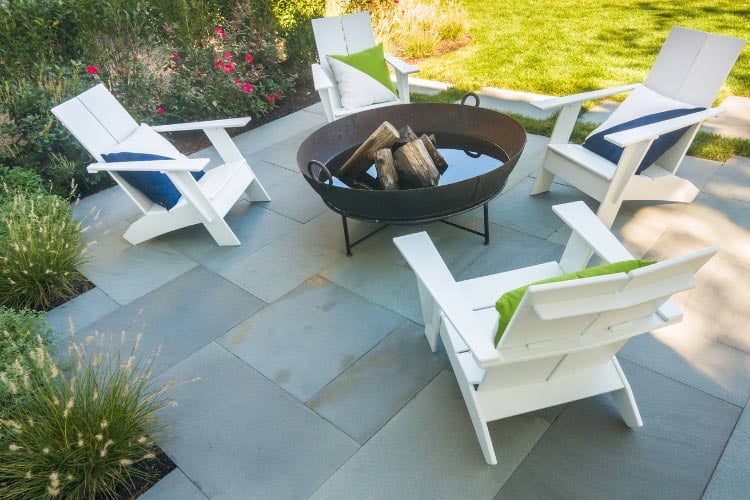
Not all pavers need to be the same size to create a balanced, controlled fire pit area. You can create texture and depth with different paver sizes, using larger ones to anchor the structure and smaller ones to fill gaps and add detail. A mixed-size paver design works well in eclectic or transitional outdoor spaces. Those spaces where uniformity would end up feeling flat. If you’re going for this design choice, which will help reduce waste as you can use leftover materials, remember that the key is balance. Stick to a consistent color palette to avoid a cluttered, overwhelming end result.
7. Fire Pit With Contrasting Border
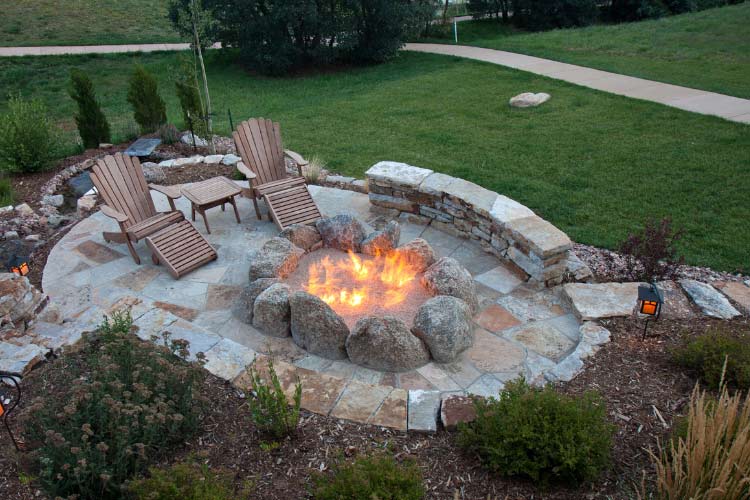
Borders serve a functional role by protecting edges from heat and wear, but they also up the aesthetic appeal of even the simplest builds. It’s a small change that makes a big impact, regardless of the shape and size of your fire pit. When choosing the color for your contrasting border, you have to consider the color of the inner area first. The trick is to ensure that it highlights the shape and makes it stand out instead of clashing or blending in. You can even opt for a different texture to act as a border. Think brick pavers surrounding concrete squares, or concrete pavers surrounding stones.
8. Multi-Color Paver Fire Pit
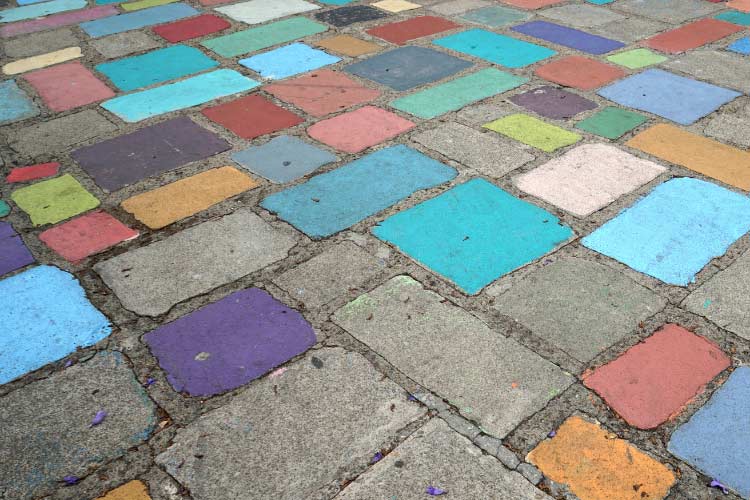
The same balance that you need to be mindful of when going for mixed-size pavers applies to multi-color pavers. Instead of uniform tones, go for color palettes and blends that mimic natural stone or aged masonry. There’s nothing wrong with all the colors of the rainbow in all the shades you can find, but earthy palettes feel grounded and organic. Not only do color mixes feel lively without being loud, but they also disguise soot, ash, and minor wear. Thus, less maintenance and more enjoyment.
9. Rustic Flagstone Fire Pit
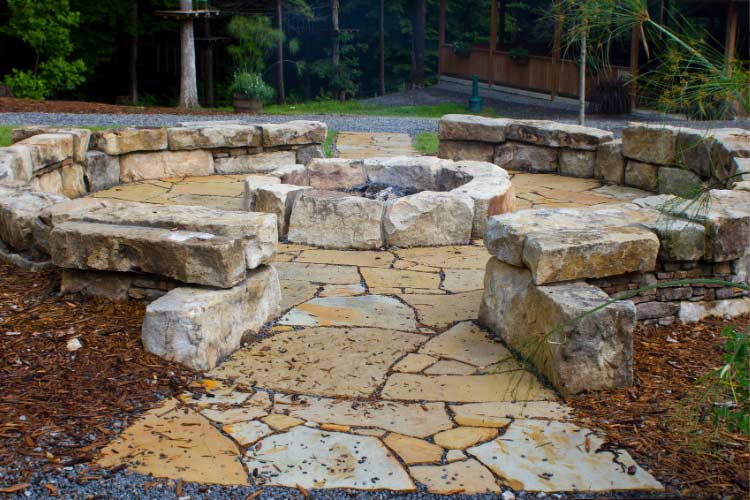
The beauty of rustic flagstone is that it makes your fire pit feel carved from the landscape rather than placed on it. The irregular shapes, natural textures, and different thicknesses create a rugged, organic look that pairs beautifully with wood fires in natural surroundings. The good news is that it doesn’t need to be perfect, but construction does require some patience and skill. Plus, the final look depends on your choice of mortar or adhesive to enhance the natural edges of the stones.
