
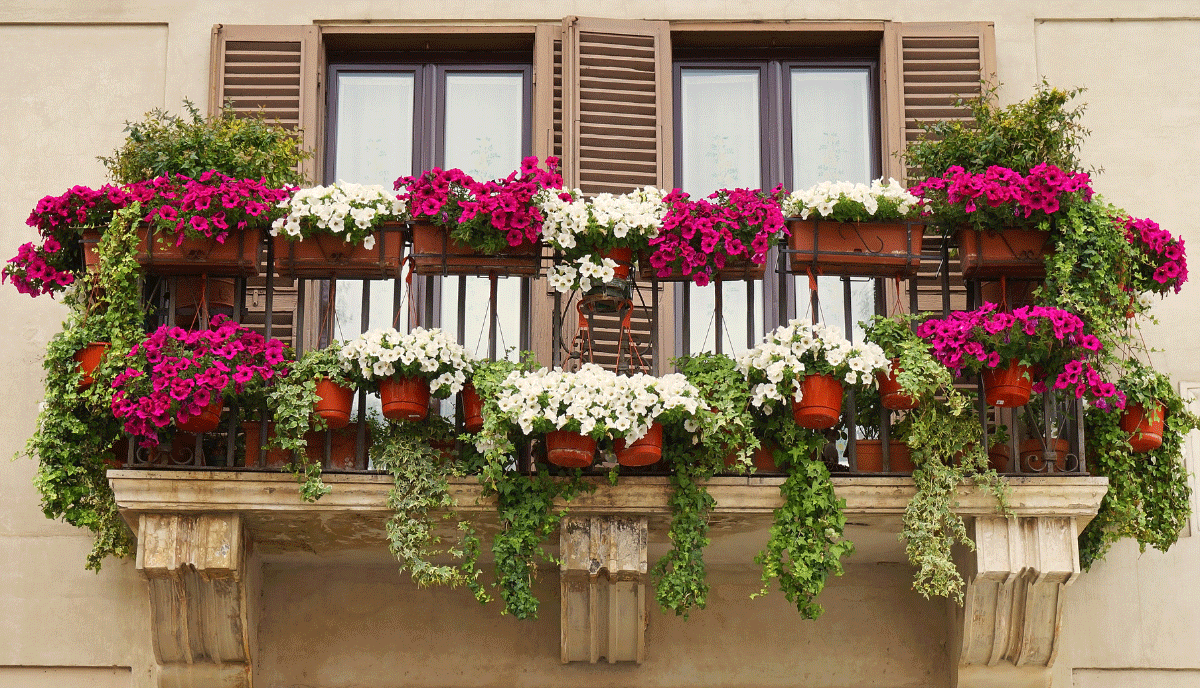
Your railings can either be wasted space or a smart use of space, depending on what you do with it. Herbs, trailing plants, veggies, and beautiful flowers can all make your railings worth more than their structural purpose. The key is to choose planters that balance weight, stability, and drainage while matching the look of your outdoor space. Here are some easy railing planter ideas that will make your deck, balcony, or patio shine.
1. Clip-On Railing Planters
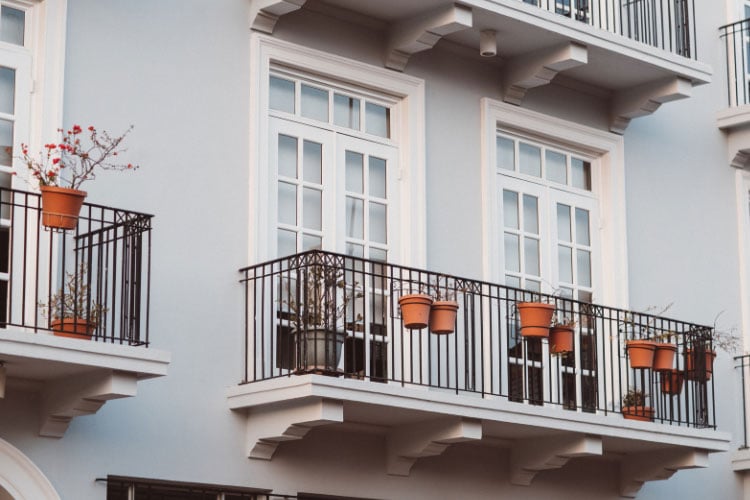
Wouldn’t it be great if you could just clip your planters onto the railings and then remove them when you need to? With no tools, drilling, or permanent changes? Maybe with some adjustable brackets that fit most standard railing widths, or drainage holes to prevent soggy roots? With lightweight plastic or powder-coated metal clip-on railing planters, you get all of this and more. These planters work best with compact plants like herbs, succulents, and trailing flowers because weight matters. Heavy soil and plants that love jugs of water won’t do. Place your clip-on planters evenly along your railings to create rhythm and to give all of your plants their spot in the sun.
2. Hanging Bucket Planters
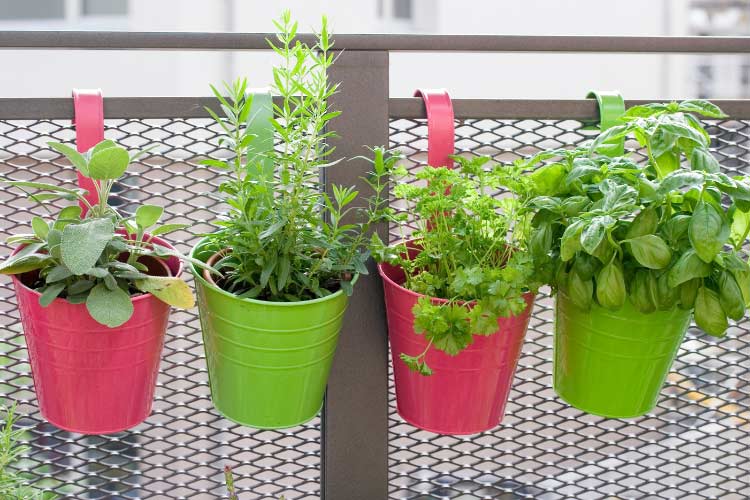
Buckets made from plastic, metal, or resin don’t just fit the farmhouse aesthetic beautifully, but they also hang easily from railing hooks and brackets. Compared to other railing planter ideas, hanging buckets are deeper, which means they allow for stronger root systems. They work especially well for trailing plants like petunias, ivy, and sweet potato vines. It’s important to ensure good drainage, so drill some holes on the bottom if the buckets don’t already have drainage holes. You can also prevent rust in metal buckets by lining them with plastic inserts.
3. Window Box Railing Planters
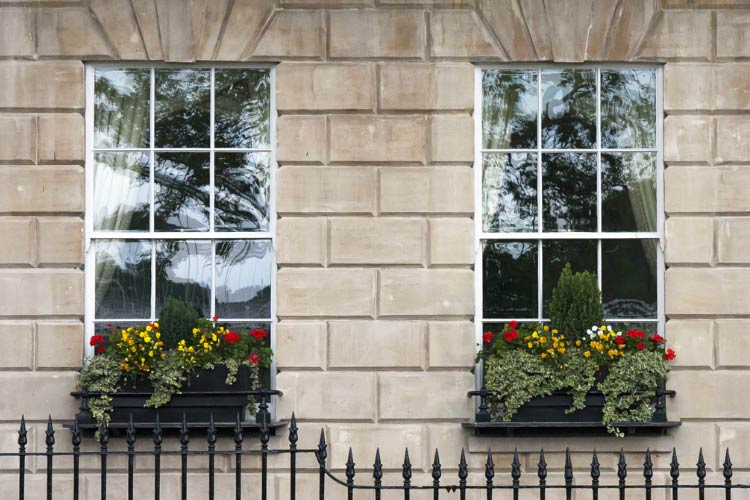
Window box railing planters are designed to sit securely over railings, offering generous planting space. Their long shape makes it easy to fit all of your favorites in, from flowers and herbs to small ornamental grass varieties. When choosing window boxes to hang over your railings, go for those that have the most stable brackets or adjustable supports. Fill them up with lightweight potting mix and ensure good drainage with small holes at the bottoms.
4. DIY Bottle Planters
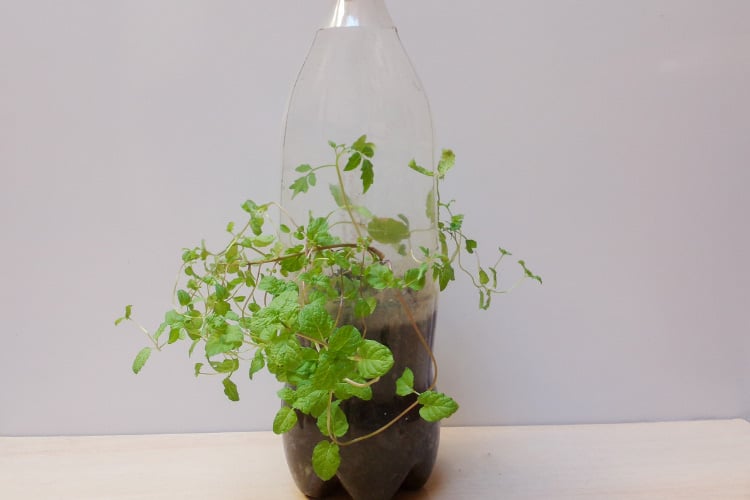
You can turn everyday waste into a vertical garden by repurposing plastic bottles. Cut, paint, and hang old plastic bottles from your railings using brackets, wire, or twine. Bottles are lightweight, inexpensive (or free!), and very customizable. It’s incredibly easy to add drainage holes and they thrive in sunny spots where watering is frequent. You can even let your kids get creative to add a personal touch to your bottle planters. They’re ideal for lettuce, herbs, and small flowering plants.
5. Herb Railing Boxes
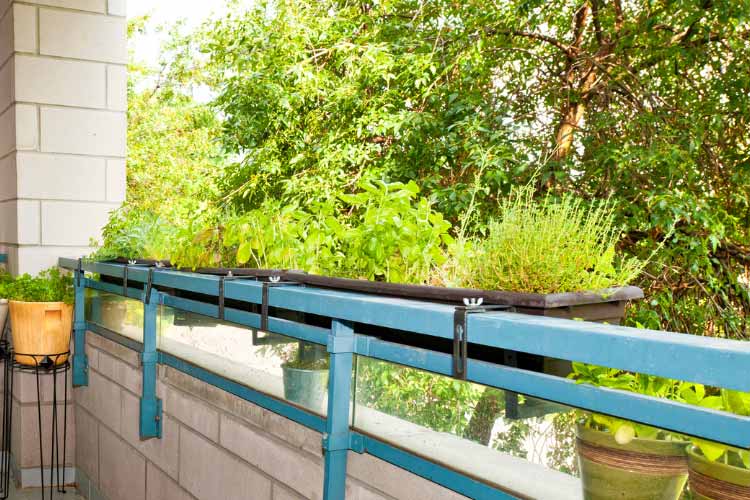
There are a few things to consider when planning to add herb railing boxes to your landscape. They need to be positioned at arm’s reach to make harvesting easy. You also need to provide good drainage, but the boxes need to be deep to support root growth and prevent rapid drying. Group herbs with similar water needs together to keep maintenance simple and trim your plants regularly to keep them compact and productive. Think basil, thyme, rosemary, chives, and parsley that you can use in your kitchen.
6. Metal Trough Planters
There isn’t much of a difference between a metal bucket and a metal trough, but the latter does provide more space if you’re looking at planter options. Hook or mount a trough with drainage holes over your railings to give them an industrial charm. You can go for rough and tough, but galvanized and powder-coated options resist rust and weather damage. Remember that metal heats up a lot faster than other planter materials, so go for plants that can tolerate warmer roots. If this doesn’t sound like something your favorite plants can handle, you can always line the troughs with insulation.
7. Wooden Box Planters
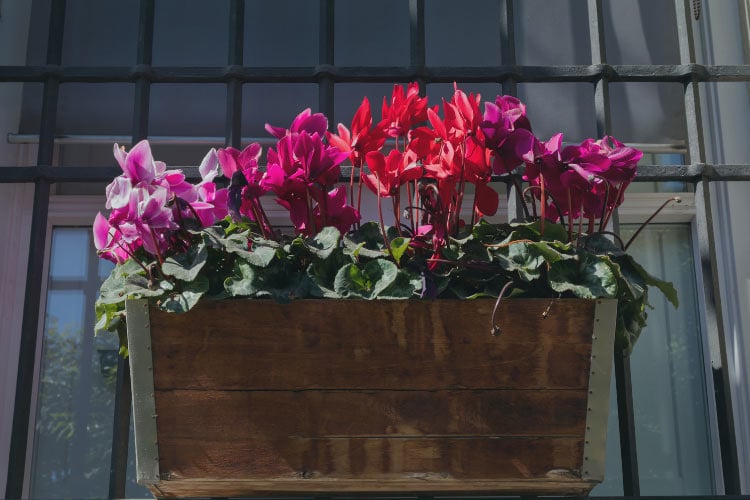
Wooden boxes fit into the description of most of the other easy railing planter ideas because window boxes, hanging buckets, and clip-on railing planters can all be made of wood. Cedar, teak, and treated pine can all handle outdoor conditions, but you’d be better off lining the insides of your planters with plastic or landscape fabric. It’ll protect the wood from moisture damage, which is an essential if you don’t want your planters to rot. Of course, proper drainage is also non-negotiable for the same reason. The beauty of wooden box planters is that they age gracefully, developing character over time.
8. Stackable Railing Planters
Railing planters are usually placed next to each other, which doesn’t exactly make use of all the space as efficiently as you’d expect. On the other hand, stackable railing planters maximize the vertical space you’ve got without overcrowding. These planters are designed to sit above each other in vertical rows rather than horizontal, which makes them ideal for small balconies and decks. Choose compact plants to keep the layers tidy and accessible for watering, and go for lightweight materials and potting mixes.
9. Rail-Mounted Grow Bags
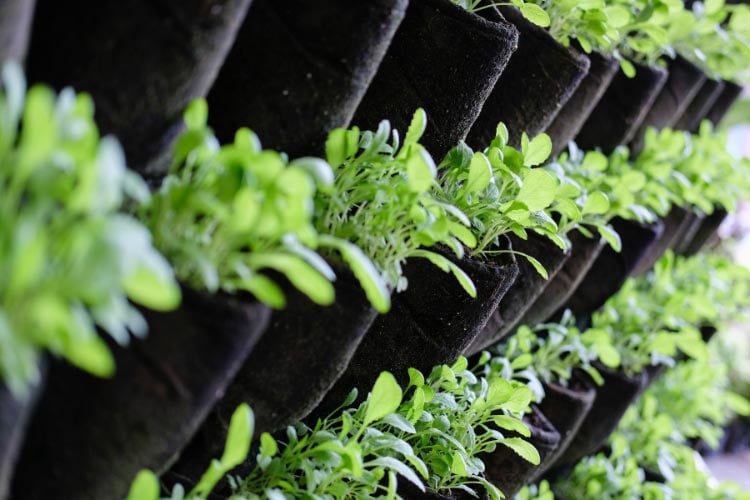
Grow bags are very popular at the moment because they make watering easy and they use up vertical space, leaving all of your floor room for other activities and decor. They’re also flexible, breathable, and made from fabric that promotes healthy root systems through air pruning. You can save even more space than you normally would by attaching them to your railings with hooks or straps. Herbs, leafy greens, and compact veggies all adapt well to grow bags, but you need to remember to water them regularly because fabric dries faster than solid containers.
10. Hanging Mason Jar Planters
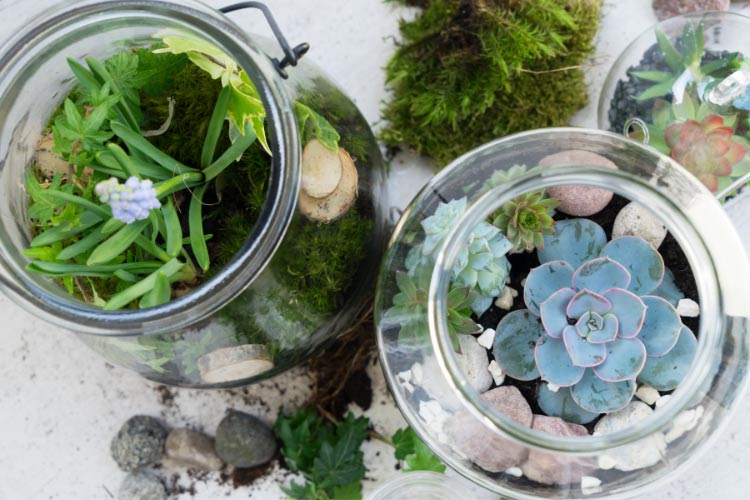
Mason jars are worth gold to DIY enthusiasts, especially when it comes to indoor decor crafts. With mason jars, hooks, string or twine, and a touch of creativity, you can create your own railing planters. Actually, you don’t even need creativity because this is by far one of the simplest and easiest railing planter ideas. You can also add cheap to the list of benefits. Mason jars are perfect for herbs, succulents, bright small flowers, and other small lightweight plants. Drainage is crucial, so add some pebbles and drill discreet holes in your glass jars.
