
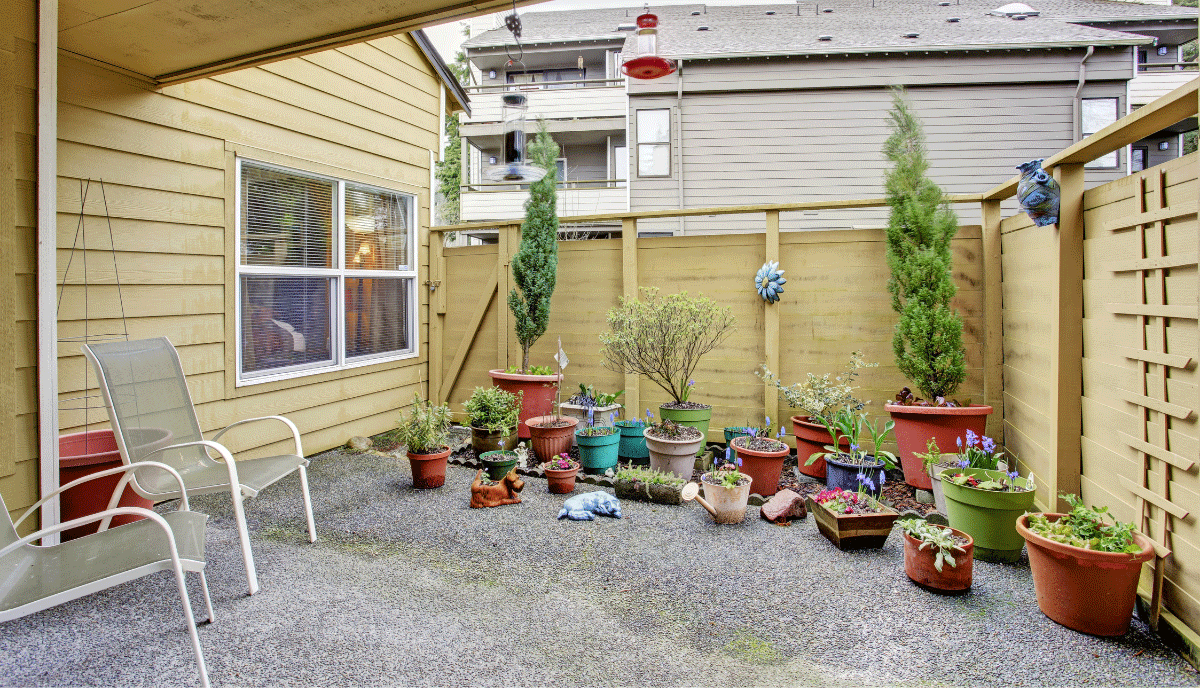
Grass isn’t always an option, whether you really want it or not. Sometimes you just don’t like the idea of it, because grass comes with a lot of maintenance that doesn’t suit a busy schedule. Here are some easy alternatives to grass for small backyards that don’t require water, mowing, edging, and patience. And they also don’t look patchy or tired when you’re not giving them enough attention. These ideas are easy to install, practical, realistic, low-maintenance, and mostly budget friendly.
1. Pea Gravel
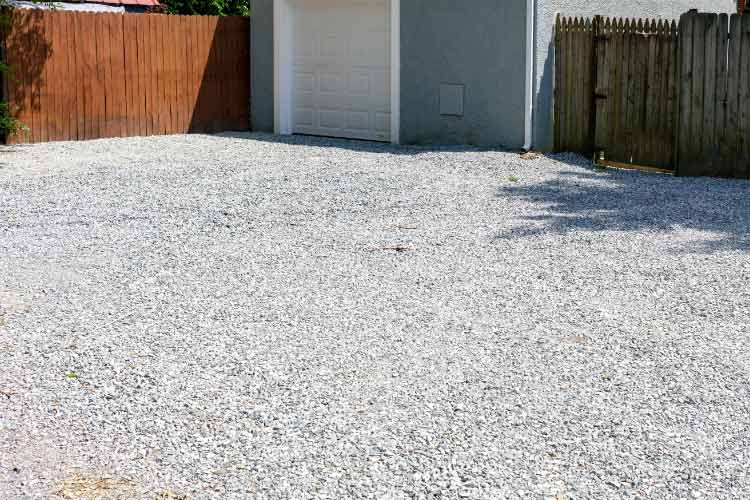
Pea gravel is the problem solver of landscaping. Whether you’re looking for a quick fix or an aesthetic upgrade, pea gravel is most likely the answer. The small, rounded stones create a soft look that feels casual and relaxed. It’s affordable, low maintenance, easy to refresh or remove, and it handles foot traffic well. Gravel also installs easily over landscape fabrics, which blocks weeds. The combination of a landscape fabric base and the loose texture of the gravel also ensures that it has good drainage. You can use pea gravel in your pathways, around your fire pit, under your seating, or even just as edging around fire beds.
2. Artificial Turf
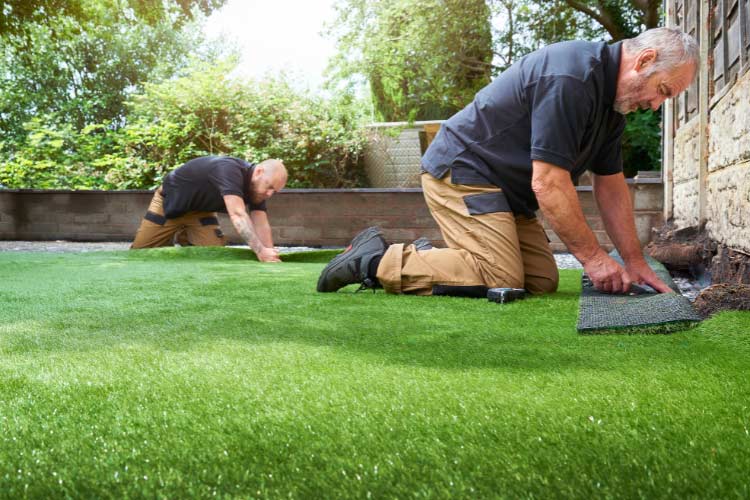
You can go ahead and skip this easy alternative to grass if you’re not considering anything green and grassy at all. But if you’d still like the look of grass without the maintenance, keep reading. Artificial turf works very well in play areas, pet zones, and other high-traffic spots in your backyard where real grass struggles. It pairs well with pavers, gravel, and decking, which breaks up the large green sections. Your job is to ensure a compacted base and proper edging, and to choose a realistic pile height and color blend for your backyard.
3. Mulch Ground Cover
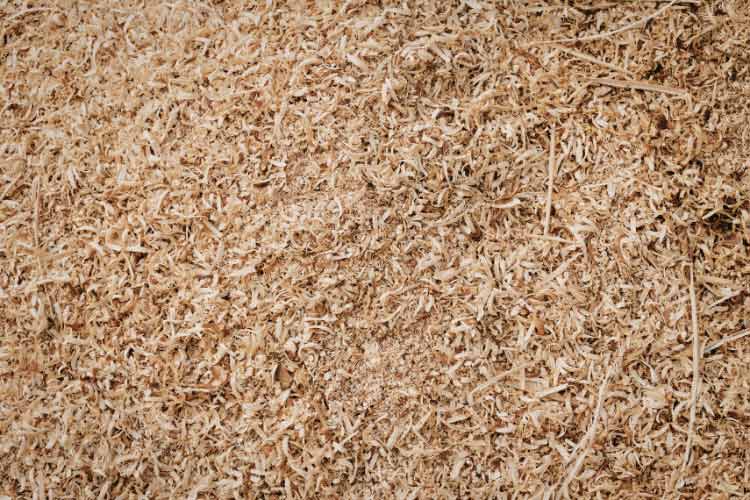
Covering your backyard with mulch is simple, natural, and budget-friendly. Mulch is softer than stone and it works well around plants or seating areas, especially when defined with borders. You can never go wrong with mulch because the list of benefits goes beyond being easy to install. It includes suppression of weeds, improved soil health over time, minimal maintenance needs, proper water absorption, reduced runoff, etc. You can choose between different types of mulch like bark chips, pine bark, and wood mulch, but all of them create a calm, earthy base that can easily replace grass.
4. Flagstone On Sand
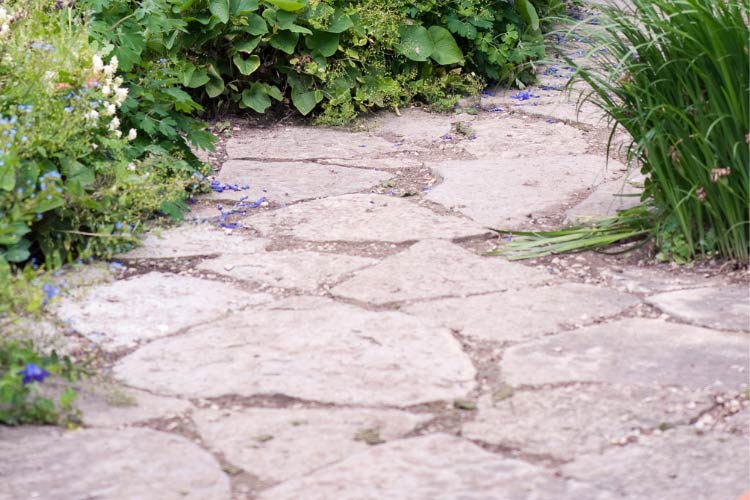
Lay some flat stones over a leveled sand base, fill the gaps with sand, gravel, or ground cover, and you’ve got yourself an aesthetically pleasing grass alternative. Don’t worry about placement and perfection because the organic and slightly imperfect feel is part of the charm. Flagstone on sand works well for seating areas and pathways where it can get the attention and applause it deserves. You may need to level it occasionally and remove some of the weeds, but drainage shouldn’t be an issue.
5. Rubber Mulch
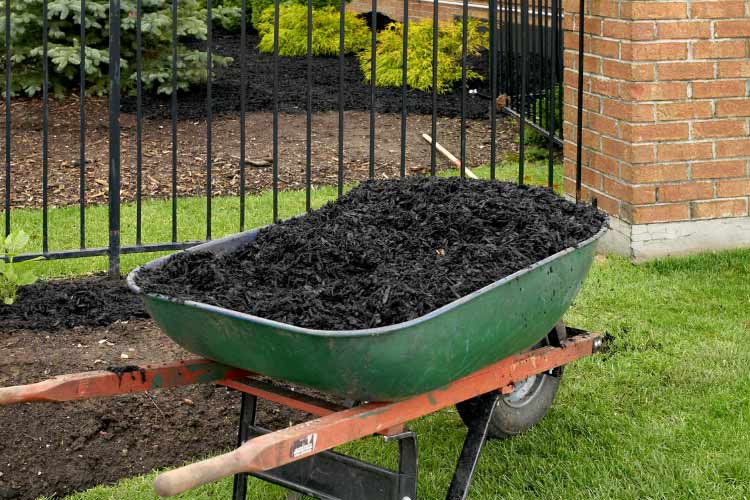
Backyards are for fun, regardless of how big they are. And rubber mulch just so happens to be the perfect choice for play areas and high-impact zones. It’s made from recycled materials that don’t decompose, drain well, and resists compaction. It’s relatively soft underfoot, so it cushions falls and prevents unfortunate accidents. Rubber mulch works especially well under swings, climbing equipment, or outdoor exercise areas.
6. Wood Decking
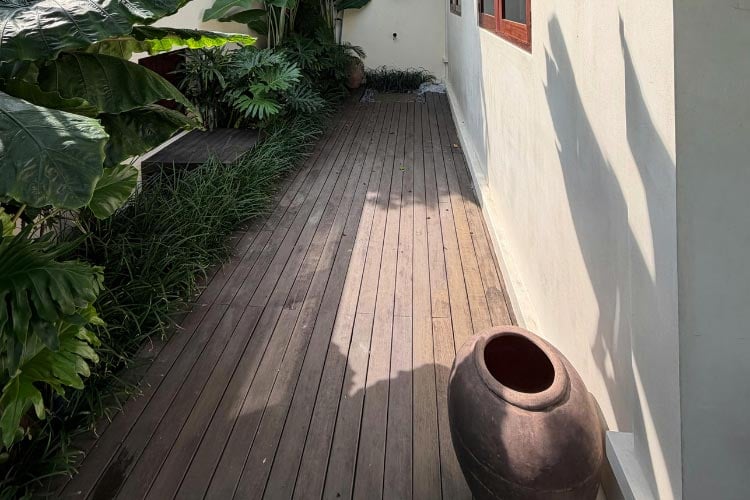
You can turn your small backyard into an outdoor room with wood decking. Pressure-treated wood, composite boards, and hardwoods are just some of the choices you’ve got, depending on your ideal look and your budget. It’s important to leave enough space between boards to allow drainage, but also not too much because you want to be able to use the surface for dining, lounging, and entertaining. Wood decking pairs beautifully with planters, built-in seating, and cozy lighting.
7. Clover Ground Cover
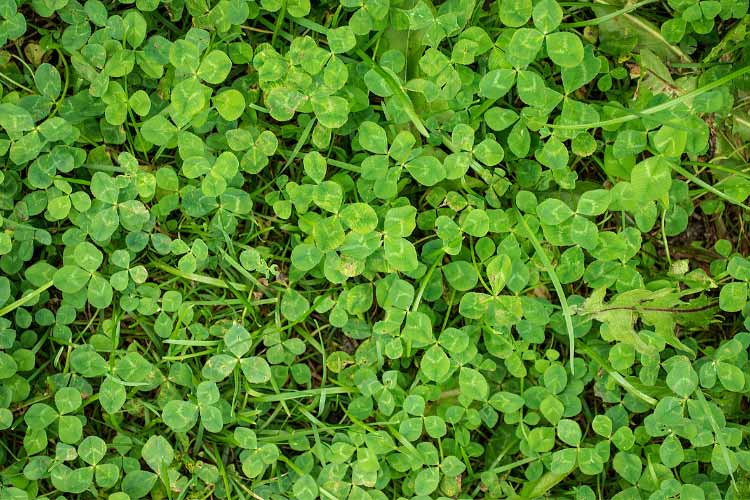
When comparing grass and ground cover, the latter will always come out on top. Clover ground cover in particular stays low, requires much less water, tolerates foot traffic better, doesn’t need mowing or trimming, and stays green with minimal effort. Clover also enriches your soil naturally, attracts pollinators, and looks slightly wild without being messy and cluttered. The end result of clover ground cover is the beautiful naturally green look without the hassles that normal grass would come with.
8. Beach Sand
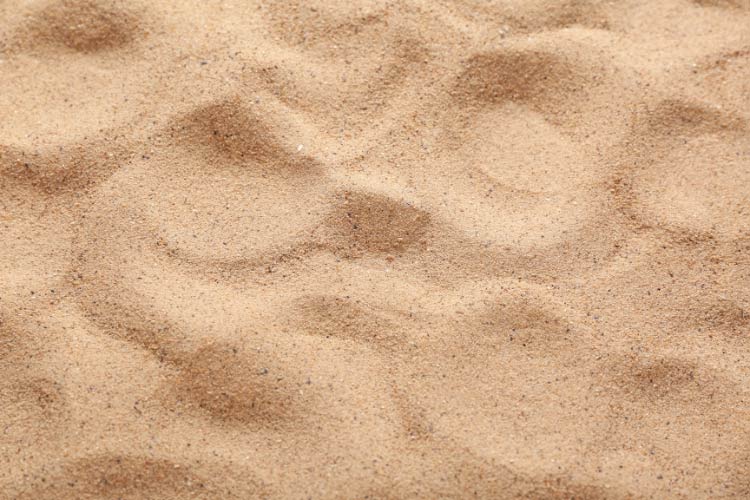
There’s something about beach sand that calms heavy spirits. Whether it’s the coastal place it takes you to or the feeling of nature between your toes, beach sand brings a vacation vibe to the table (or your backyard). It works best in small areas that are contained, like play zones or casual lounging corners. It requires edging to prevent spreading and occasional raking to keep it level, but the drainage is excellent. Remember to add a barrier underneath to prevent weeds from coming through and to make it easier to clean or remove the sand.
9. Resin-Bound Gravel
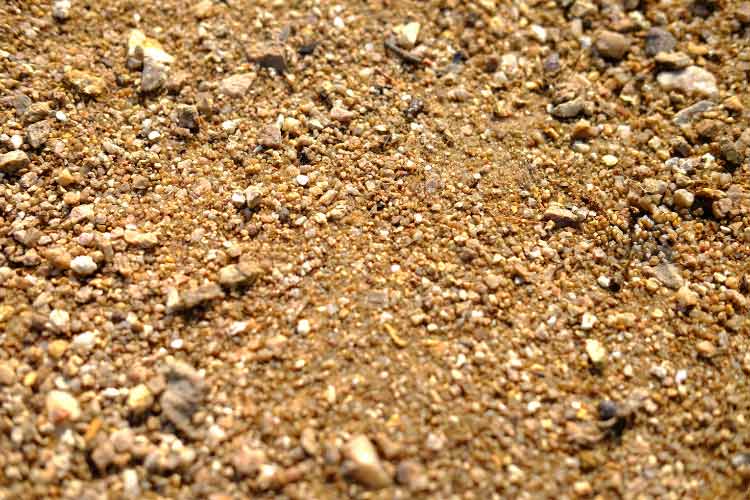
If you like the idea of gravel, but the idea of loose stones doesn’t do it for you, here’s another option. Mix the small stones with resin and lay them as a single layer. The result is a weed-resistant surface that drains well and is exceptionally easy to maintain. The smooth, seamless surface looks polished and modern and it handles foot traffic without issues. The installation costs of resin-bound gravel may be slightly higher, but the long-term durability makes it worth it.
10. Concrete Slab
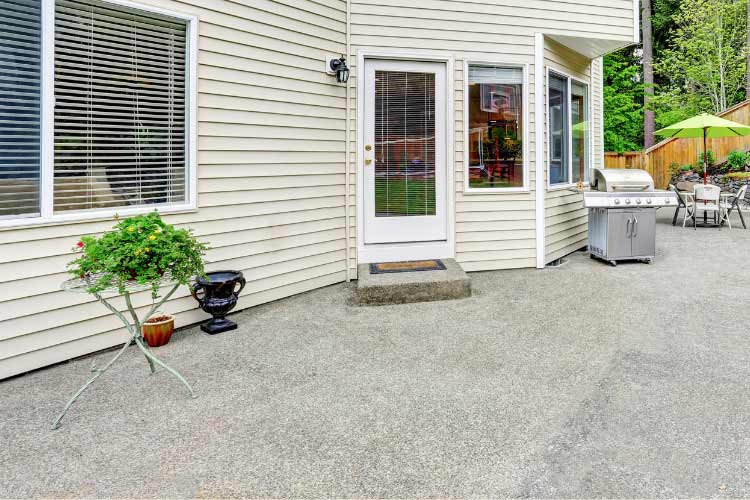
Small backyards can always do with some concrete slabs that define the space clearly. It’s a blank canvas for landscaping, offering simplicity and a solid foundation for grills, outdoor kitchens, or furniture. The design potential is huge because concrete goes with almost anything, especially if you add broom, stamp, or stain finishes. You can prevent water pooling by ensuring proper drainage, but concrete generally handles heavy use with minimal maintenance.
11. Interlocking Tiles
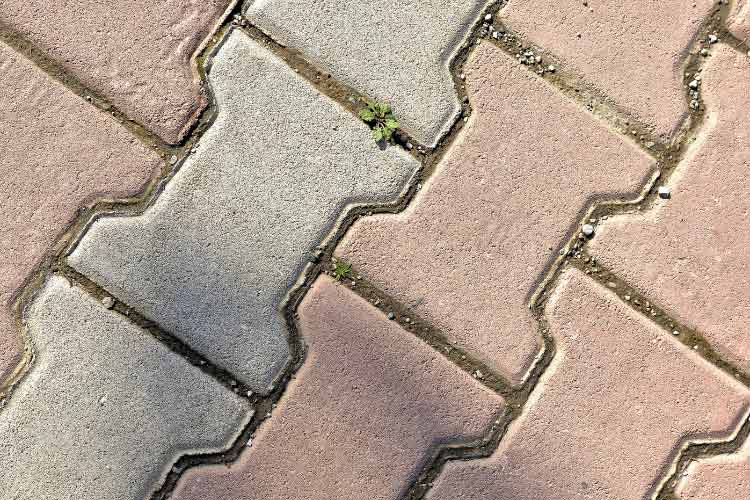
There aren’t many easy alternatives to grass for small backyards that beat interlocking tiles. These tiles are so easy to install that you can let your children help, and they’re just as easy to remove. They snap together over most existing surfaces without the need for adhesives, creating a cohesive look. Interlocking tiles come in materials like composite, rubber, cork, and plastic, so you can choose the option that suits your landscape and your budget.
