
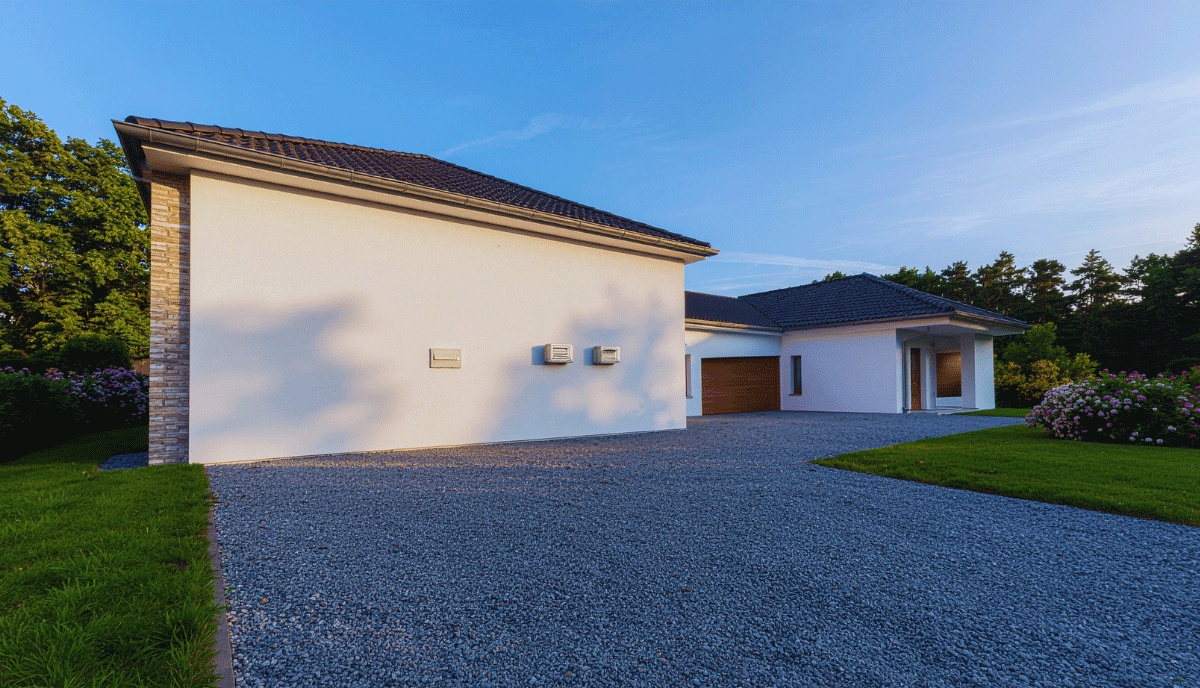
Times are tough, so landscaping may be the last thing you want to spend your hard-earned money on. Especially if you already paid for the gravel in your driveway and now you have to pay more to keep it in place because it can’t stop shifting. It’s a hassle and too much maintenance to get it all back together after rain and every time a car drives over it. The good news is that there are a couple of cheap ways to keep driveway gravel in place that’ll prevent stone migration, improve drainage, and enhance durability.
1. Install Edging
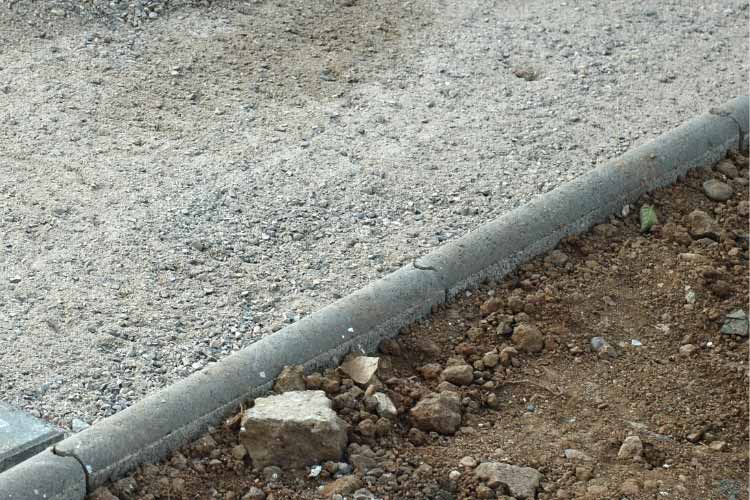
Edging may be the obvious choice here, but it’s often overlooked because you’d expect it to be quite costly. However, timber, brick, metal, stone, and recycled plastic can all be inexpensive and very effective, especially if you can source discounts or reclaimed materials. The option that you end up going for should depend on your budget, the availability of the materials, and whether it’s going to complement your driveway. You don’t want it to look cheap and out of place. Use stakes to secure your choice of edging firmly in the ground, slightly above gravel level to prevent spillover.
2. Use Landscape Fabric
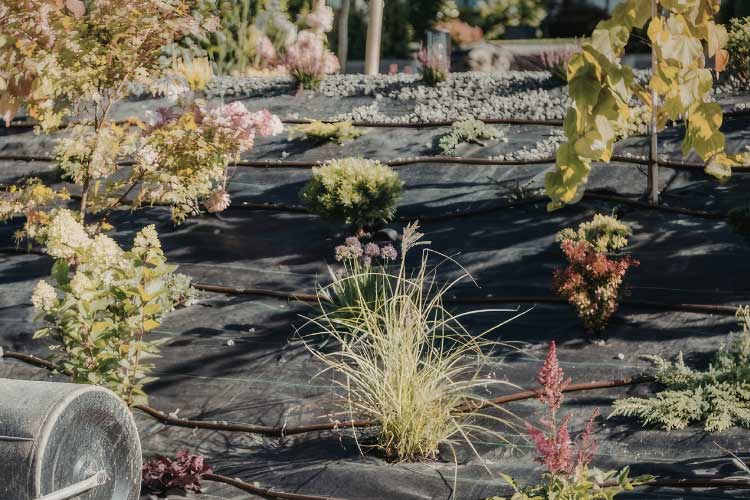
It’s unfortunate if you don’t already have landscape fabric underneath your gravel driveway, but it’s never too late to change that. Add a layer over your soil before you add the gravel and use landscape staples to hold it in place. The beauty of this cheap way to keep driveway gravel in place is that it does exactly that while the water can also drain through, which means no mud, rot, and erosion issues a year or so down the line. The soil and gravel also won’t mix like it does without the fabric, so the stones won’t sink or scatter unevenly every time you drive over it.
3. Compact Gravel Properly
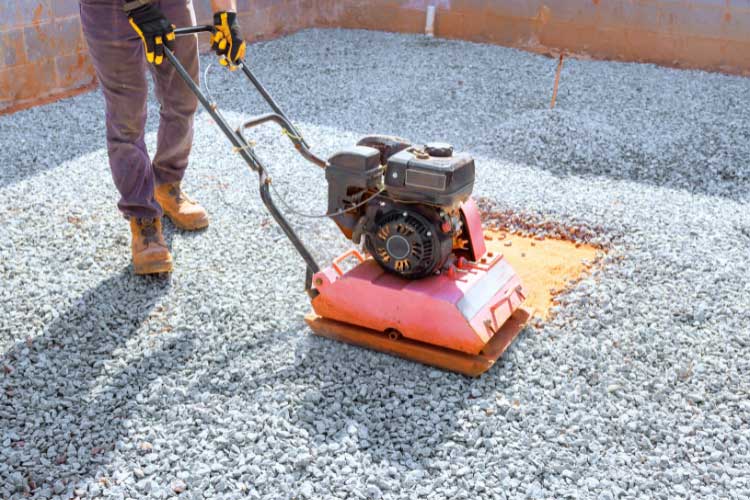
It’s pretty obvious and you probably took care of this already, but compacting your gravel is important. After spreading your gravel, you need to use a hand tamper, plate compactor, or a simple heavy roller to pack the stones tightly together. There needs to be less space between stones because that’s when they start shifting under tire pressure. If your gravel was compacted after installation but you notice that it started shifting after time, repeat the process to get everything back into place again. Watering before compacting will also help the stones to settle and reduce dust.
4. Add Larger Base Stones
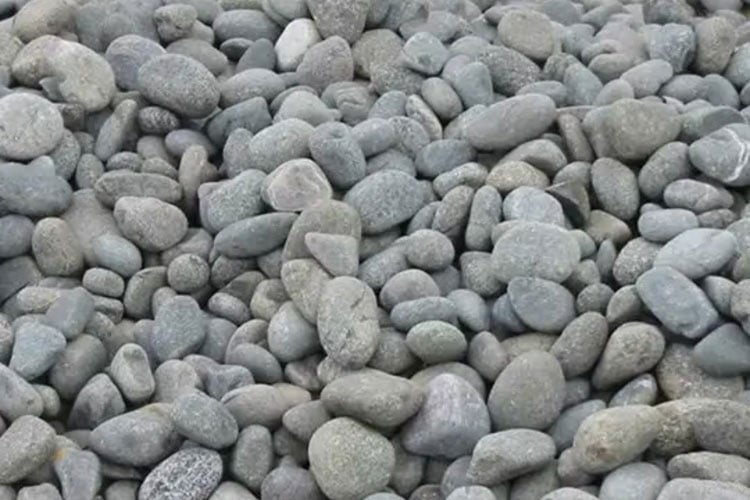
If your base stones are larger than your gravel, you’ll find that there are much fewer runaway stones. That’s because larger base stones or crushed rocks provide structural support by creating a foundation that resists movement. Basically the two layers lock together, which improves stability while enhancing drainage. It’s as simple as spreading the base stones evenly, compacting them, and then adding the finer gravel as the final layer. This is an especially helpful fix if your driveway gets heavy traffic or if it has a mild slope, and the larger stones are cheap if you get them at local quarries or landscaping suppliers.
5. Create A Drainage Channel
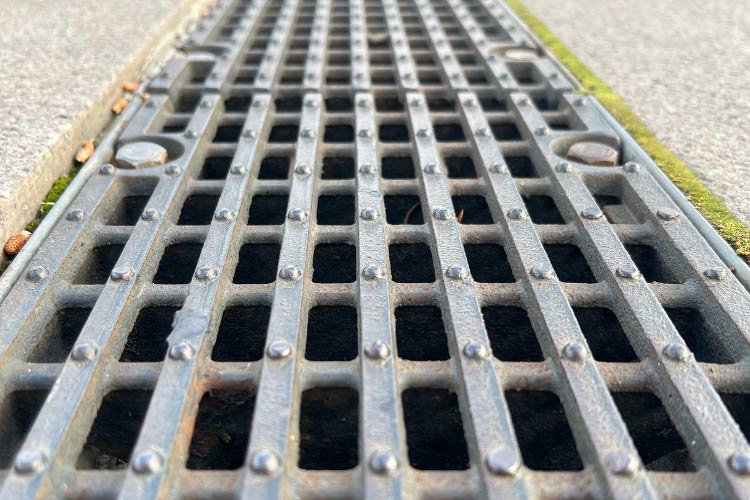
Water is one of the main culprits when it comes to wandering gravel. To solve this, you can create a drainage channel along the sides or center of your driveway to direct runoff away. Just a simple shallow trench filled with crushed stone or gravel will prevent erosion, but you can also install a French drain or perforated pipe if you want something more permanent. With proper drainage comes less puddles, less mud, and less movement, which is exactly what you need from a cheap way to keep driveway gravel in place.
6. Maintain Regular Raking
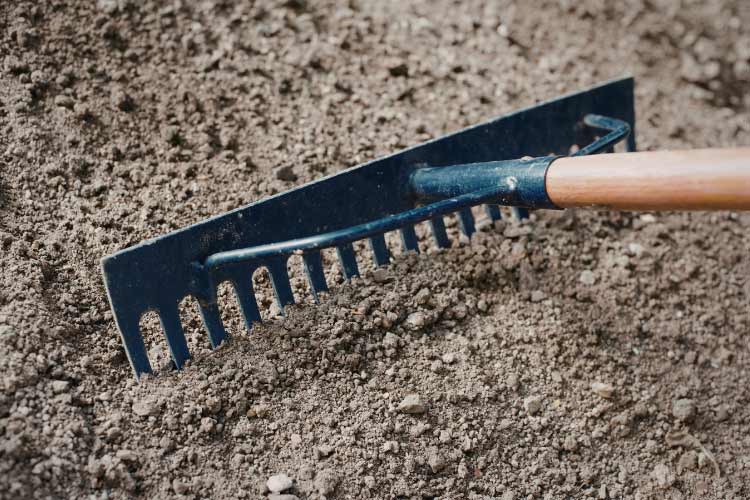
Raking feels like nothing but a chore. It’s one of those things that you dread right up to the moment you’re done and it feels like it’s got no purpose. However, it’s one of the cheapest and most effective ways to keep your driveway gravel in place. And you need nothing but a garden or landscape rake! Make it a habit to redistribute the stones, fill in the low spots, and smooth the uneven surfaces regularly. If you can’t do it once a week, or even once a month, try to schedule a raking session after heavy rain or snowfall, or when your driveway endured a lot of traffic.
7. Use Resin Stabilizer
Resin mixed with gravel turns a wonky, wobbly driveway into an interlocked surface that resists movement while maintaining drainage. The best part is that resin doesn’t interfere with the natural look and feel of the gravel at all, but it reduces dust and keeps the stones together. It costs slightly more than plain gravel and some of the other cheap ways to keep driveway gravel in place, but if you follow the manufacturer’s instructions you’ll never regret the money you spent on the resin. Especially when you notice the drastic reduction in the maintenance you have to do.
8. Increase Gravel Depth
It sounds a bit strange to add fuel to the fire, because why would you add more gravel to a driveway that already has a gravel problem? But sometimes it really is that simple. And inexpensive, and quick, and effective… A deeper layer will shift less because of the weight increase and the interlocking effect of the stones. Spread the gravel evenly and remember to compact every layer as you go. The top layer should be slightly thicker to prevent the stones from washing away and to eliminate bare spots caused by traffic over time.
9. Maintain A Proper Slope
A proper slope is vital to prevent water from pooling, because pooling means that your gravel gets carried away. Your driveway should have a slight crown in the middle or a gentle slope to the sides so the water can run off naturally. Sometimes it’s necessary to regrade the driveway occasionally but less erosion, no more puddles, and a solid driveway are all worth the effort. For maximum impact, combine your slope with some of the other cheap ways to keep driveway gravel in place.
