
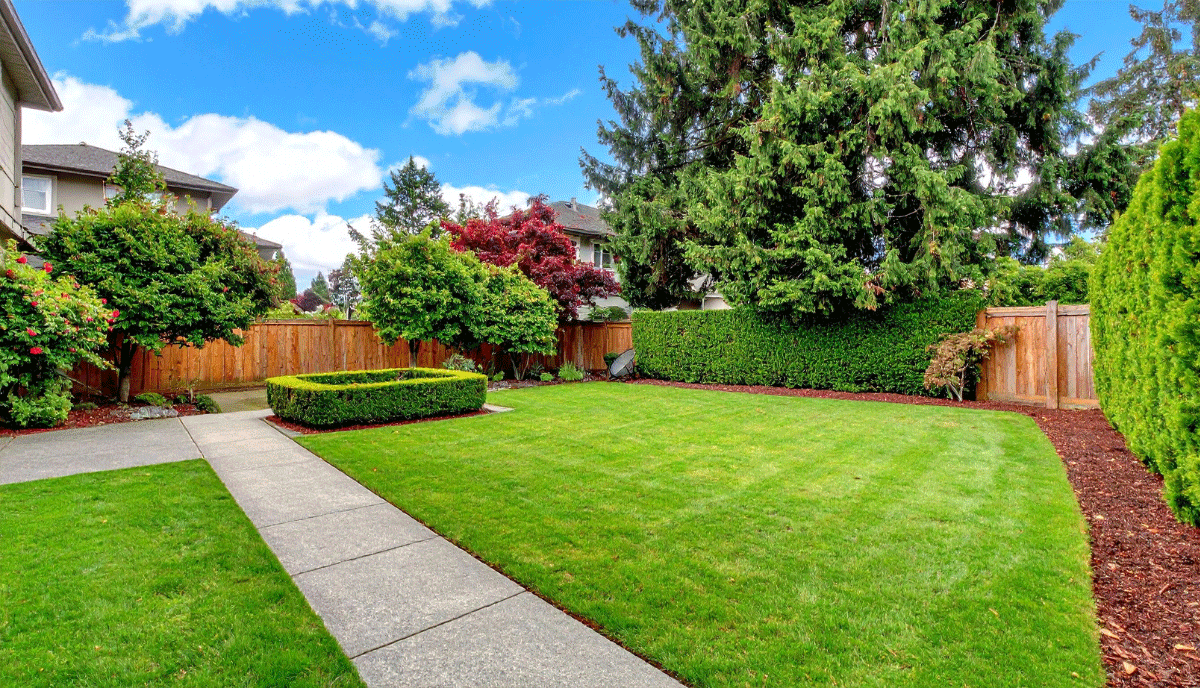
With gravel’s practical reputation, there’s also the fine print that says it’s not very comfortable. Yes, it drains well and costs little to install, but it doesn’t feel so great underfoot, especially not after a long day at work. And if you already signed up for the gravel special, you may not find the price tag that comes with replacing the entire setup too appealing. The good news is that you still have options. Here are some of the many cheap ways to cover gravel in your yard to eliminate issues like pebbles slipping into shoes, patio chairs wobbling, and other terms and conditions you may have missed.
1. Outdoor Rugs
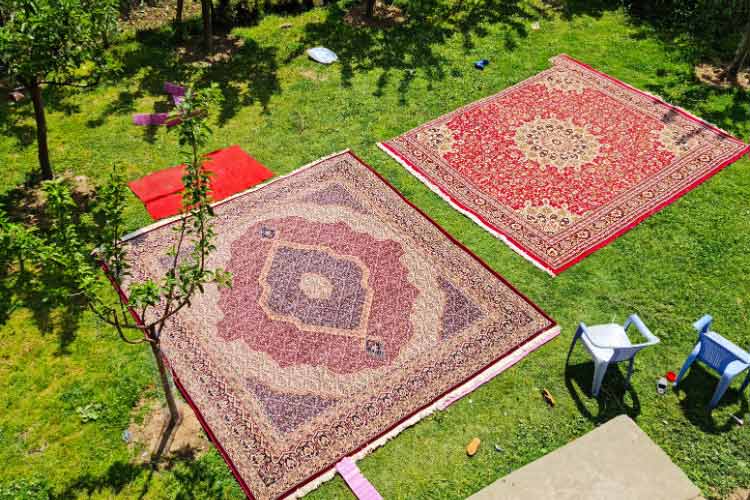
Where are you going to find a simpler solution than a couple of outdoor rugs? It’s so fast, easy, and effective that you’ll forget you had gravel in the first place. Instead of the crunch of loose stones, you get to enjoy the soft feel of an outdoor rug that also happens to be durable, and able to resist moisture, mold, and fading. Before going ahead and placing the rug over the surface, you want to rake the gravel so it’s smoother and more level. You can even add a thin weed barrier fabric under the rug. This will prevent bumps or dips from showing through the fabric and making it wobbly and unstable.
2. Artificial Turf Rolls
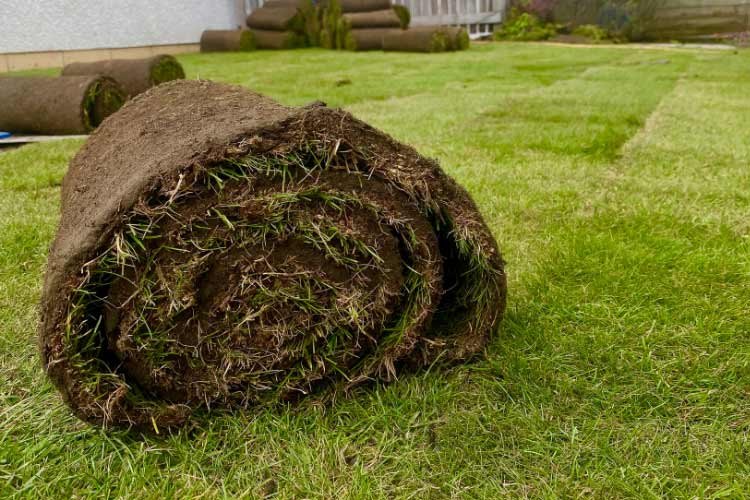
Artificial turf rolls are the only other cheap materials that are as simple to install as outdoor rugs. The concept is the same as you begin by leveling the gravel and layering the turf over it. Use a sharp utility knife to trim the edges to fit unique spaces, and join multiple sections together with adhesive tape to cover larger areas. The difference in aesthetics is phenomenal as your yard goes from cold and industrial to warm and natural. You get the comfort of grass without the mowing, watering, dull spots, and typical natural turf tantrums.
3. Interlocking Deck Tiles
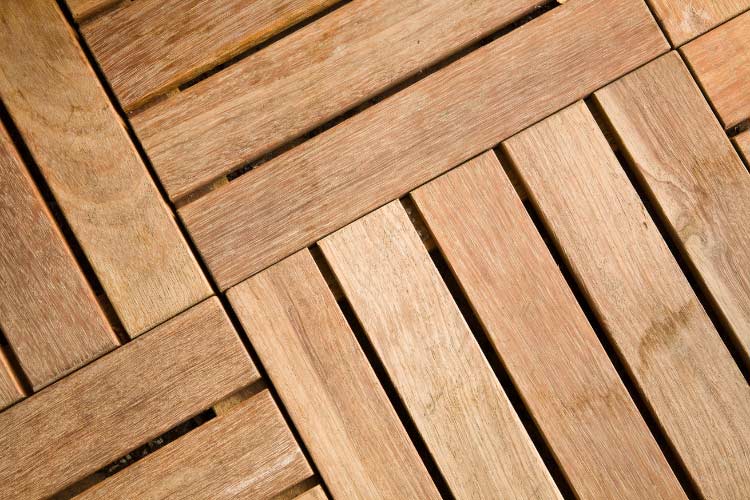
Interlocking deck tiles are designed specifically for outdoor surfaces, and that includes gravel. Snap some interlocking wood composite, rubber, plastic, cork, or treated hardwood tiles together over leveled gravel. Most interlocking tile materials are rather cheap and they can tolerate moisture and temperature changes pretty well. Your furniture will sit more evenly without wobbling, water will still be able to drain through to the gravel, and the tiles can be removed and relocated when your needs change. Cleaning will also be so easy because it’s as simple as sweeping or hosing down the surface.
4. Large Stepping Stones
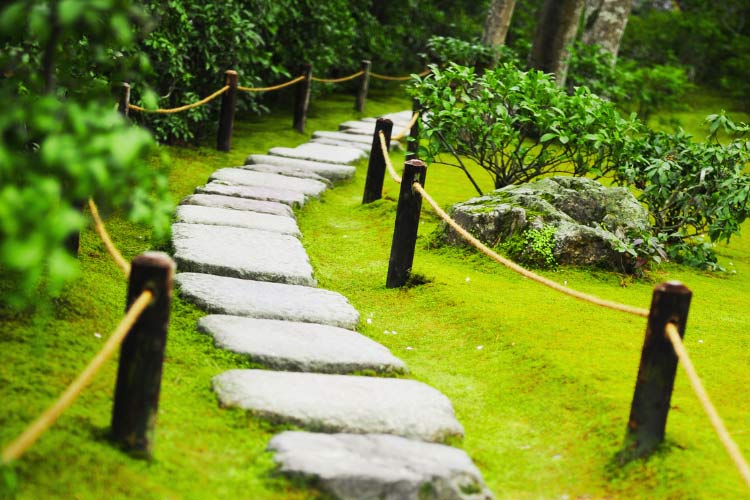
You don’t have to cover the entire gravel surface if you want to maintain the look or the low-maintenance benefits. You can always use flat stones like flagstone, slate, or precast concrete pavers as stepping stones to make the surface easier to navigate. Place them directly on the gravel and press down until they’re set firmly, then adjust the other stones to ensure that each piece rests evenly. If you space them a few inches apart the gravel will fill the gaps naturally, creating an organic pattern.
5. Ground Cover Plants
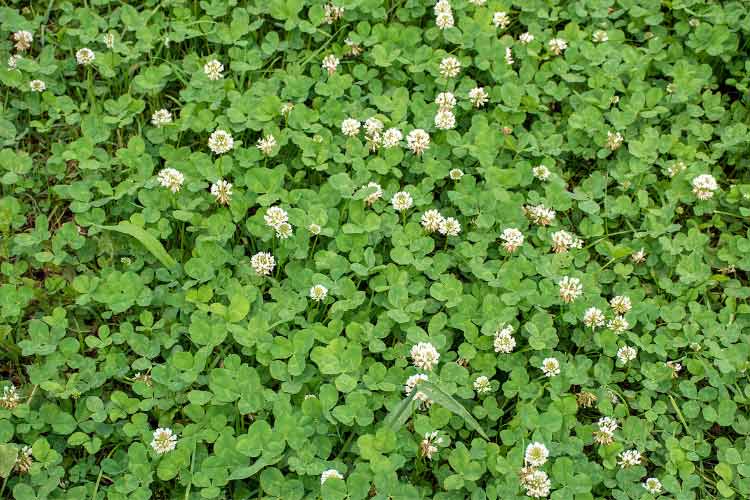
Ground cover has the incredible ability to turn any surface into a living carpet. It doesn’t hide all of the stones completely, which is a bonus if you want a cottage-like look. Instead, ground cover plants weave through them, maintaining proper drainage and stabilizing the pebbly ground. Another benefit is that it attracts pollinators, so there will always be life in your yard. You don’t have to buy your local nursery’s entire supply of creeping thyme, sedum, or moss phlox. A couple of small clusters will expand and fill the gaps over time.
6. Raised Deck Platform
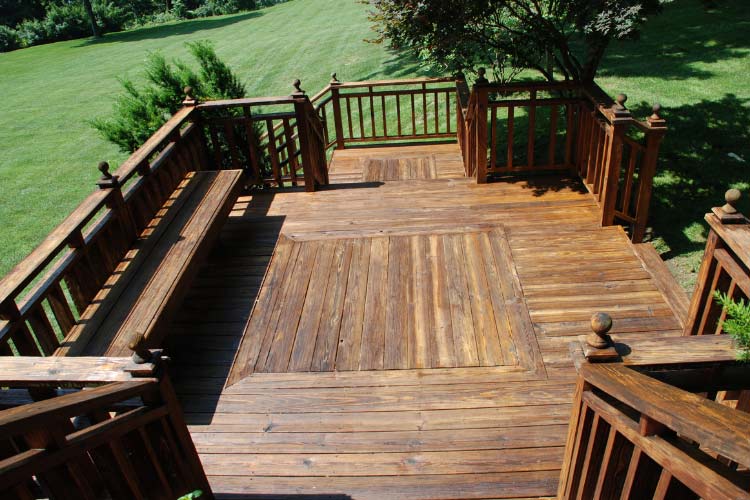
The beauty of a raised deck platform is that the gravel underneath almost doesn’t matter. It creates a sturdy outdoor floor that floats above the gravel, disregarding the uneven feel of the loose stones. Place a couple wooden beams directly over leveled gravel and attach wood boards across them to create the walking surface. Space the boards slightly to allow rainwater to drain through and treat each of them so they can withstand the outdoor conditions of their new home.
7. Sand Layer
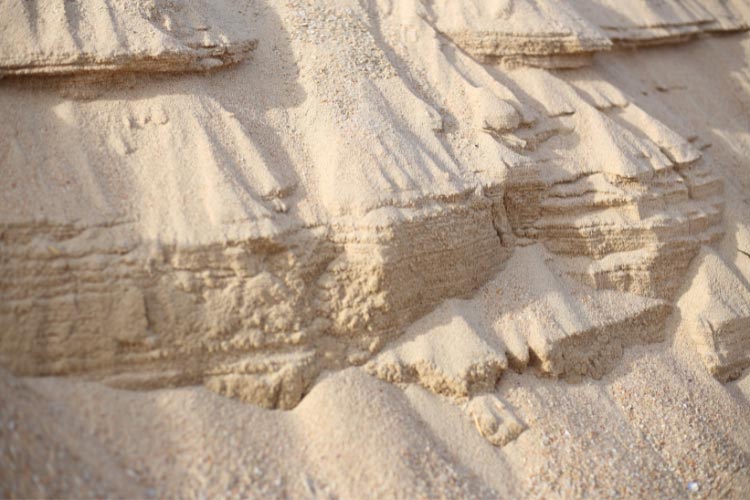
How would you feel about spreading a thick layer of coarse sand across the entire area and calling it a day? Actually, you may have to rake it evenly before it’s perfect, but that really is it! Not only does the sand fill the gaps between the stones to create a softer walking surface, but it also brings a beach vibe to your yard. If you’re worried about the sand shifting and the gravel popping back up in a week or two, you can add wooden borders around the edges to keep it all contained.
8. Decorative Bark Chips
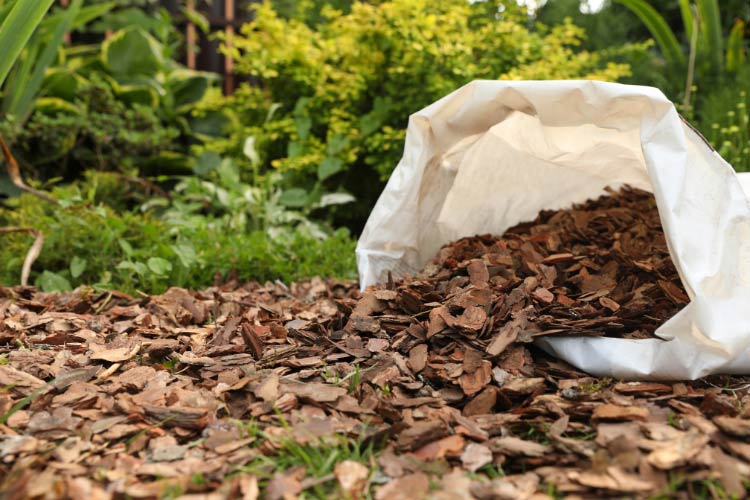
Whether or not you should use decorative bark chips to cover the gravel in your yard depends on a couple of factors. Do you like the natural look and will it suit your yard’s aesthetics? Will it blend beautifully with the plants and trees or stick out like a sore thumb? And lastly, are you going to like the underfoot feel of the bark? If all of your answers suggest that decorative bark chips are the way to go, start by spreading a generous layer across the area. The key is to hide the gravel well enough to create a soft bed of bark chips while allowing water to drain all the way through.
9. Brick Paver Overlay
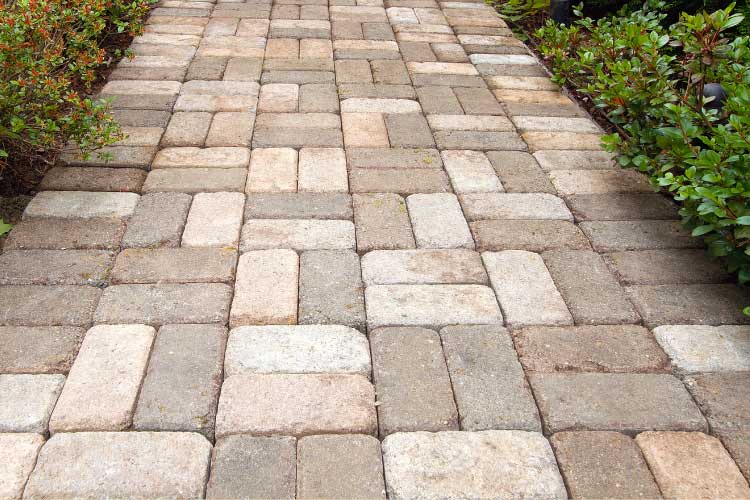
Brick pavers really aren’t as expensive as people think they are. Especially not if you opt for reclaimed bricks that you can source from construction projects, stores, or even friends and family. Level the gravel to make it as flat and even as you can and lay the bricks in rows or herringbone patterns. You don’t need expensive materials to fill the gaps because sand swept in can be just as effective at holding the bricks in place. The final result looks like a traditional expensive brick patio, but the secret weapon underneath is much better at drainage.
