
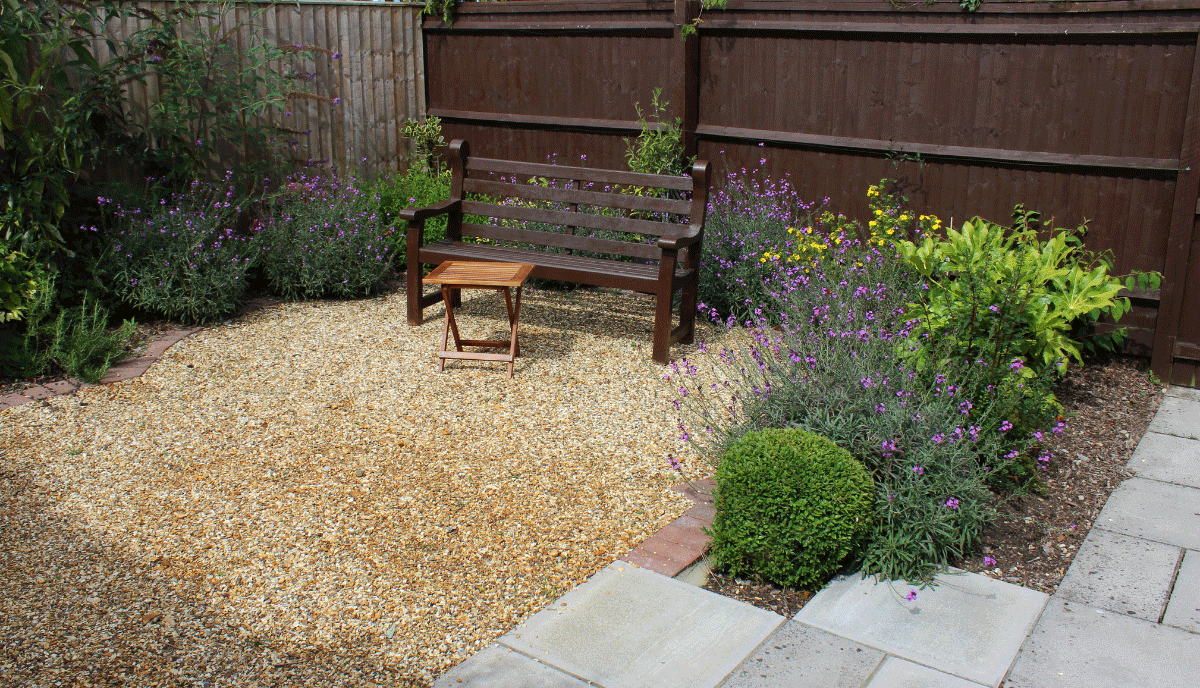
Bare spots can make a yard look so unfinished, even if you spent too much time and money on the landscaping elements surrounding them. Whether they’re from pets playing too rough, seasonal changes, foot traffic, poor soil, too much shade, or general wear and tear; they don’t look good. The good news is that you don’t have to empty your wallet to get rid of them and give your yard its shine back. These cheap ways to cover bare spots in your yard will not only eliminate the issue, but they may even add some new elements that you didn’t know you were missing.
1. Grass Seed Patching
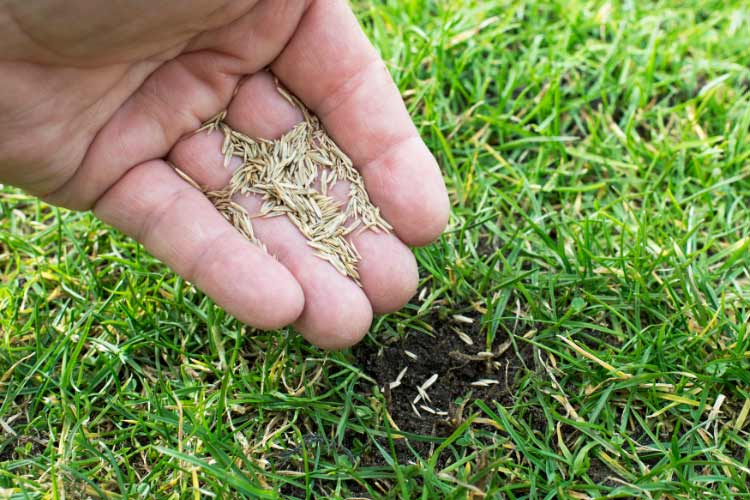
Loosen the soil in your bare spots with a rake or garden fork. Add a thin layer of compost or topsoil for a nutrient boost and improved germination. Then, choose a variety of grass that matches your existing lawn, or go for something that suits your climate and the current sun exposure. Spread the seeds evenly, rake them into the soil, and cover with a thin layer of straw or mulch that’ll help with moisture retention. Finally, water the patches consistently until sprouts start to appear. Now that you know exactly how to use grass seed patching to cover bare spots in your yard, what’s stopping you?
2. Ground Cover Plants
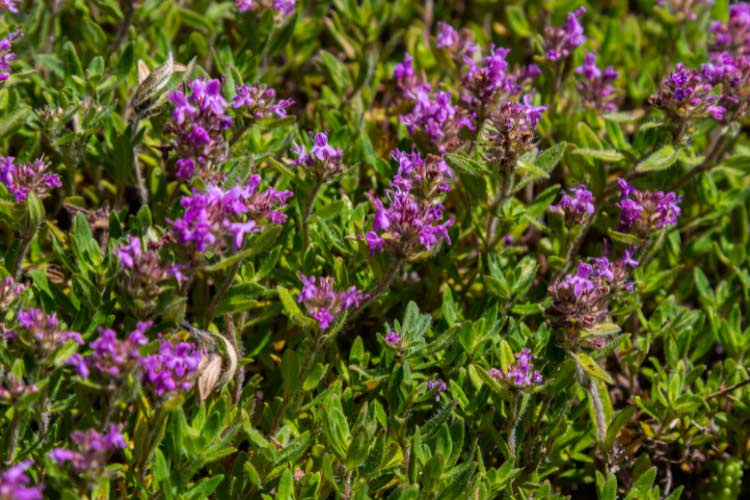
Ground cover is like a living carpet. Creeping thyme, clover, and even vinca have the ability to spread over bare areas, tolerating foot traffic, different shade conditions, and drought much better than grass. You can plant them in clusters in different bare spots and give each plant enough space to expand. This option is very inexpensive and it will pay for itself as it spreads naturally over time. Some ground cover plants flower seasonally and they suppress weeds, stabilize soil, and control erosion once mature. Combine the practical aspect with the aesthetics and you’ve got yourself a winner!
3. Pea Gravel
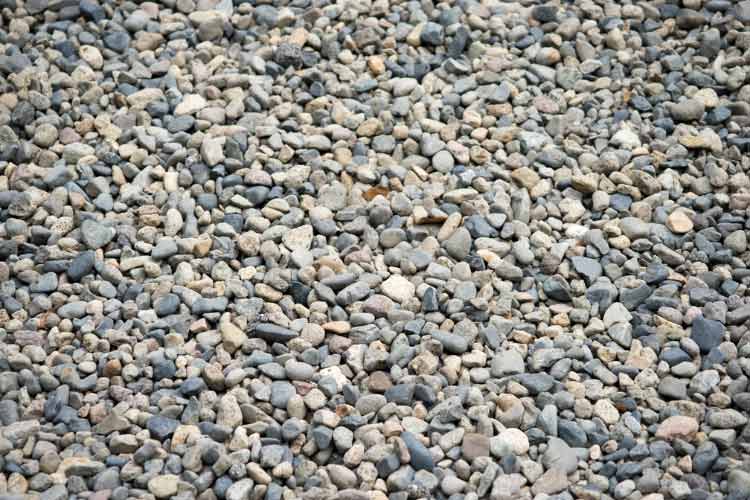
Pea gravel can do anything when it comes to landscaping. It’s budget-friendly, low-effort, low-maintenance, and very versatile. It also drains well, so not only will you be rid of the bare spots but you also won’t struggle with muddy puddles. A semi-thick layer of small pebbles should be enough to cover the patches and you can use edging to keep it all contained. You can keep it simple with standard sizes and colors or mix it up for a custom look that pairs well with the rest of your outdoor space.
4. Stepping Stones
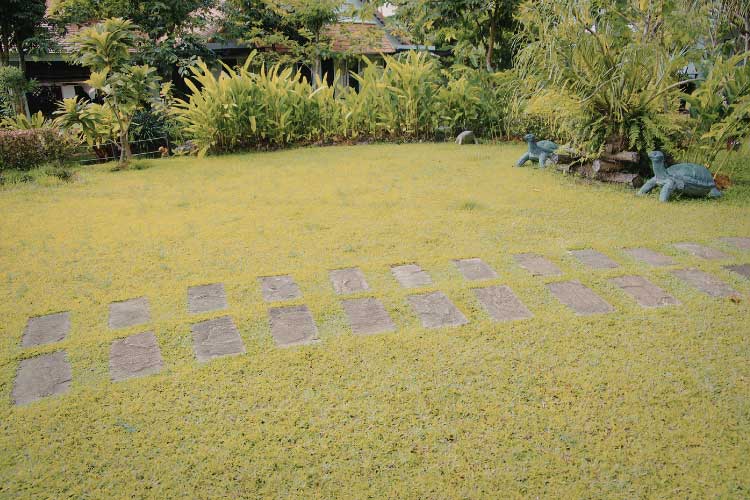
Natural stone or concrete pavers could be what you’re looking for, especially if you can find the exact sizes of the bare spots. Lay them directly over the problem areas, eliminating the ugly and adding charm to your yard with a custom stepping stone path. Whether you go for patterns or irregular shapes with a stone here and there all depends on the look you want and the severity of your yard’s balding. If your stones are a bit wonky you can add sand or gracel underneath to level and stabilize them.
5. Artificial Turf Patch
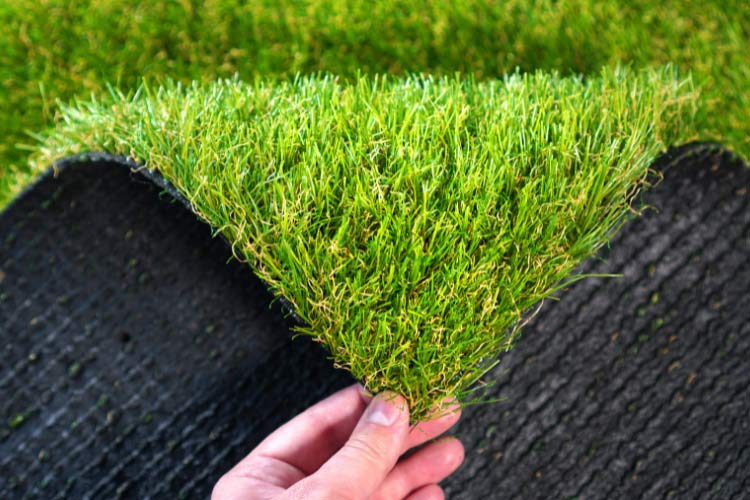
Sometimes grass just won’t grow where you want it to be. It can be due to poor soil conditions, too much foot traffic, or not enough sunlight. Nevertheless, patchy grass is a really bad look. That’s where artificial grass steps in to save the day. It gives the same lush green look, but without the mowing, watering, and fertilizing hassles. You can cut a patch to size and lay it over the problem area, securing the edges with staples, or you can get rid of the patchy traditional grass and replace everything. It looks realistic, drains well, doesn’t get ugly during colder months, and it’s surprisingly affordable.
6. Sand Leveling
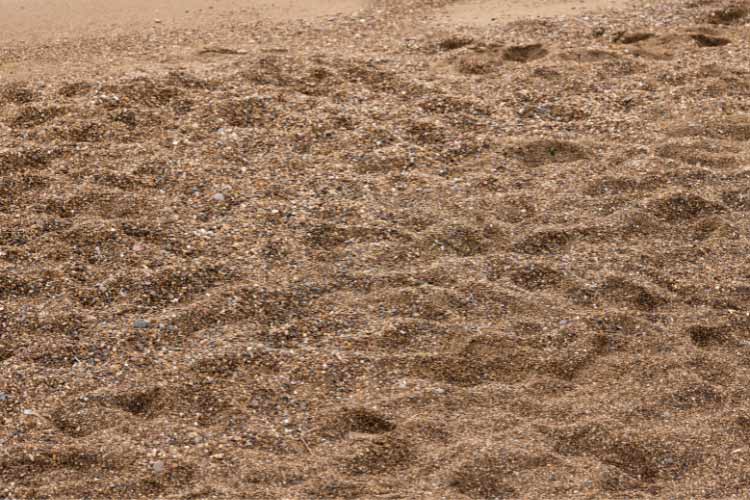
Sand leveling is so simple that you may even overlook it as a cheap way to cover the bare spots in your yard. It can fill low spots, smooth uneven ground, and prevent water pooling. You only need to spread some coarse sand over the bare patches then rake and compact it until the surface is level with the surrounding areas. Even if you don’t plan on leaving a couple of sandy sections in your yard, it’s an important step. It not only gets rid of the ugliness, but it also creates a stable base for grass seed, pavers, or any of the other coverage ideas you can come up with.
7. Wildflower Seed Mix
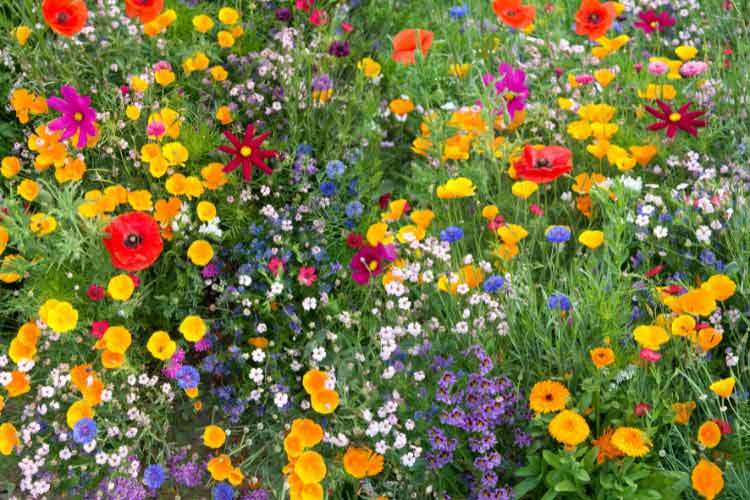
Wildflowers are called ‘wild’ flowers for a reason. They don’t have to be contained neatly in a garden bed or in organized rows to make an impression. The entire point is to simply take a packet of mixed wildflower seeds and to scatter it over loose soil, pressing them gently into the ground. The rest is up to the flowers and your watering habits. Before you know it, your bare spot will be turned into a vibrant, colorful patch with the most beautiful low-maintenance flowers. As the seasons change, different flowers from the mix will get their chance to bloom and then they’ll naturally reseed. It’s the perfect solution, isn’t it?
8. Garden Bed Extensions
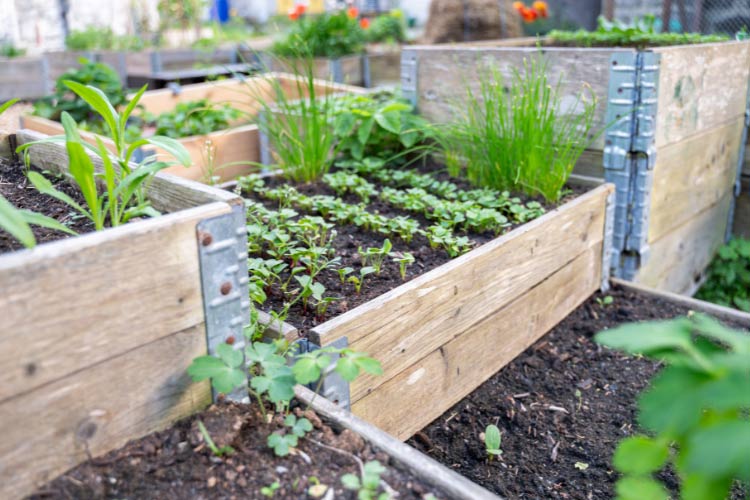
If you don’t like the bare spots next to your garden beds, make your garden beds bigger. It sounds simple and you may picture your entire yard as an oversized garden bed by the time you’re done, but it’s a great way to hide the ugly without mind-blowing price tags. Level the area next to the beds with soil and mulch and plant more of the current plants. It would be ideal to absorb the entire bare spot, but if you can get close to it and eliminate at least half, the focus will be shifted. You can move the existing edging to the end of the extension so there will be no evidence of change.
9. Low Shrubs
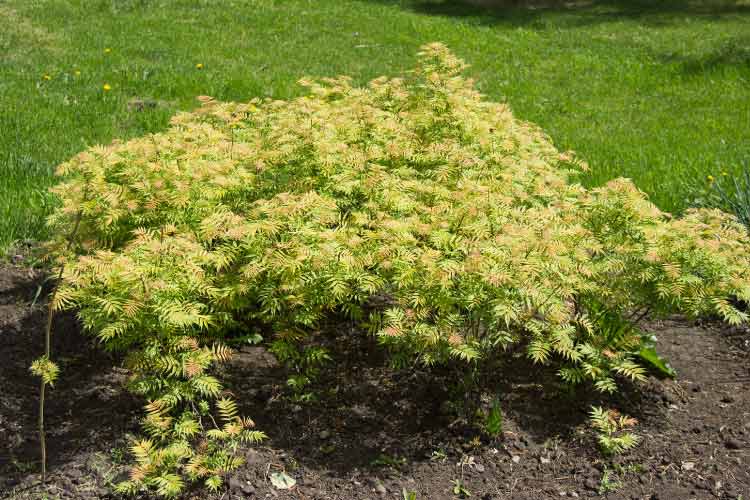
Whether or not low shrubs are going to work for you depends on where your bare spots are located. If they’re right in the middle of your yard, a random shrub may look out of place. But if it’ll blend into the landscape or you can make it work by planting clusters or using decorative elements to frame it, this may be the option for you. Boxwood, dwarf holly, and lavender all thrive in small spaces where other plants may struggle. They also require little maintenance, attract birds and pollinators to your yard, and protect your soul from erosion.
