
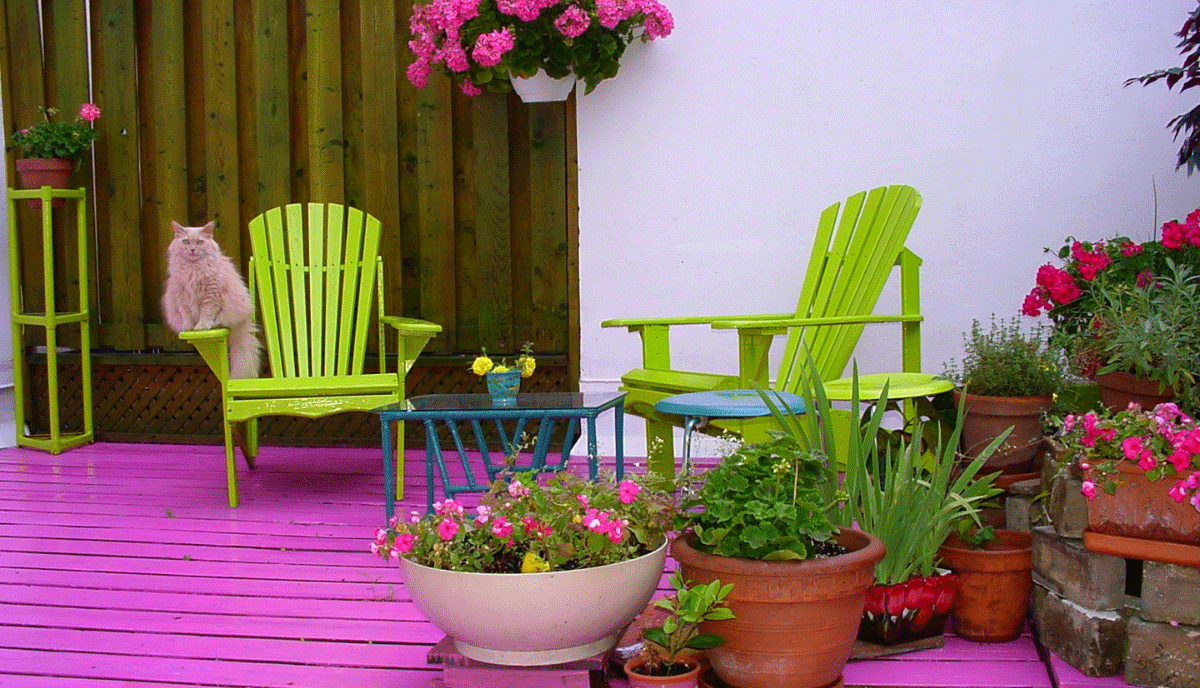
Deck gardens are less about squeezing in everything you’d normally plant in a yard and more about choosing the right cast and letting them do their thing. You want your deck to be an extension of your home, not a nursery. The key is to work with the limited ‘outdoors’ you’ve got and to turn it into a beautiful, uncluttered green space. Here are some apartment deck garden ideas that take the sun exposure, wind, and weight limits of decks into consideration. They’re all about lightweight containers, proper drainage, and the right plant choices.
1. Container Herb Garden
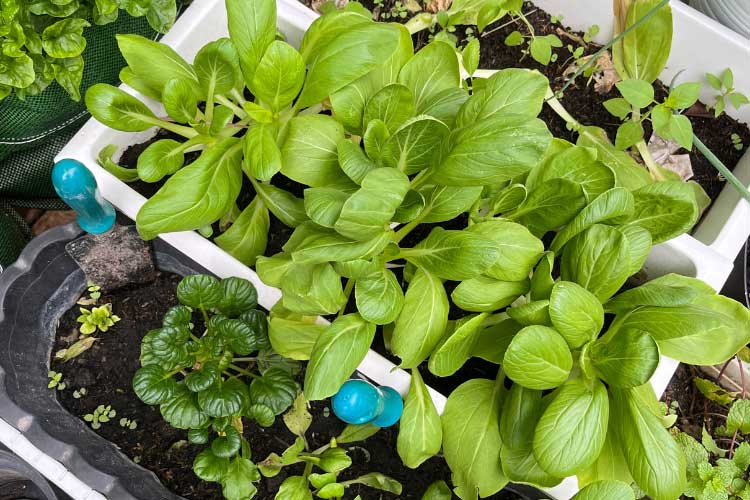
Apartment decks and container gardens go hand in hand. It’s a practical, forgiving, and instantly rewarding way to bring an edible garden to your deck. The only possible downside is that herb gardening is so satisfying that you might get addicted, wanting more and more. You can plant basil, thyme, parsley, rosemary, chives, and mint in containers, granted that they get enough sun and proper drainage. If you group your herbs by water needs, you make watering much easier for yourself and safer for your plants. Terracotta pots breathe well and dry faster, while plastic retains moisture longer, so choose your containers according to your herbs.
2. Vertical Plant Wall
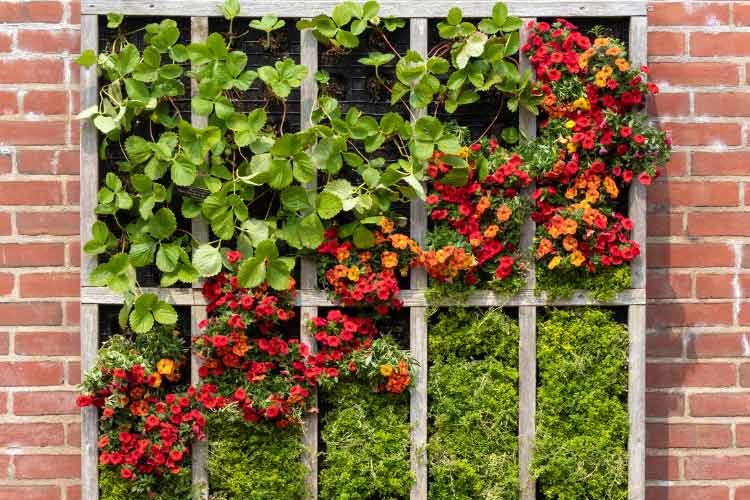
Vertical gardening is what you do when floor space is limited. Choose a wall on your deck and dedicate it to your plants, from herbs and lettuce to strawberries and trailing ivy. You can use wall-mounted pockets, modular panels, or freestanding plants to let your plants grow upward rather than outward. Actually, most of these apartment deck garden ideas can be incorporated into a vertical garden. It’s important to water your plants consistently or to use drip irrigation because vertical setups dry much faster.
3. Railing Planters
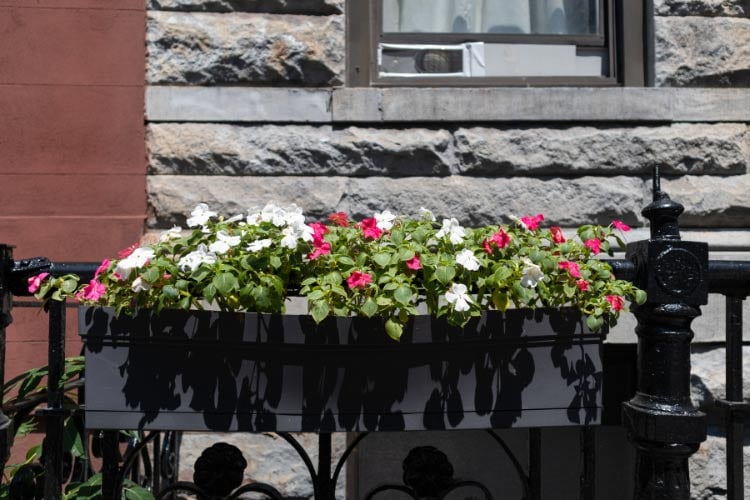
Railing planters make use of the precious space that would otherwise stay empty. Use clip-on or hook-over designs that can be attached without drilling, unless you own the property or plan on keeping everything exactly the same for years to come. You can fill your railing planters with herbs, flowers, trailing plants, and other lightweight and compact plants. Don’t go for plants that need lots of water or heavy soil mixes because weight is the main consideration.
4. Grow Bags For Veggies
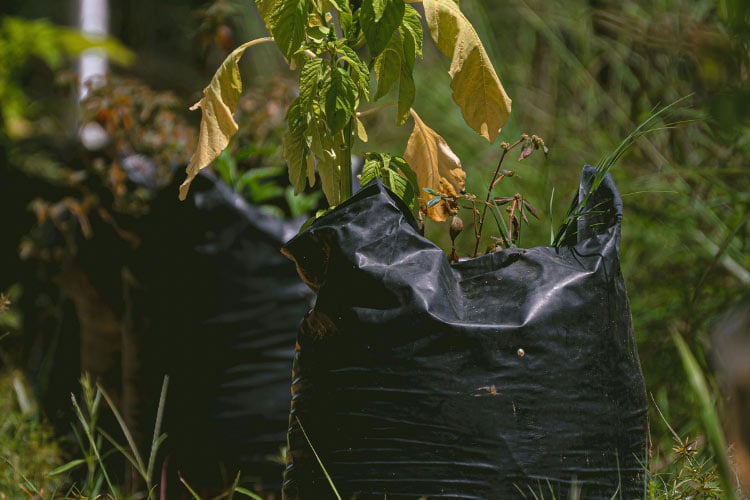
Grow bags are very popular at the moment because they’re flexible, breathable, and surprisingly productive. But what makes them even more impressive is their accessibility and the small amount of space that they take up. The fabric that grow bags are made of promotes healthy roots through air pruning, which is why they work well for tomatoes, peppers, lettuce, and herbs. They’re also easy to move and the drainage is excellent, so you need to remember to water your plants frequently.
5. Compact Potted Fruit Trees
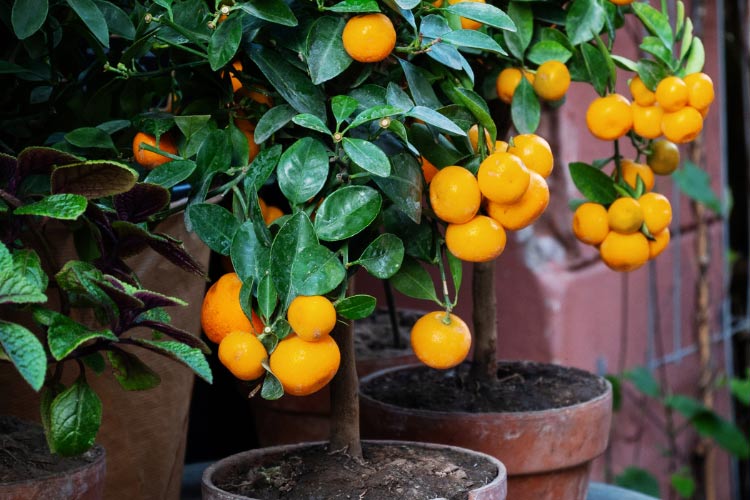
Did you know that you can grow actual fruit trees on your apartment deck? Dwarf citrus, figs, and apples all thrive in large containers if you care for them properly. The non-negotiables are high-quality potting mix, excellent drainage, full sun, and regular feeding. You also need to move them for protection during extreme weather, but that’ll be easy since they’re planted in portable pots. Compact potted fruit trees add life, height, structure, and greenery to your deck. Some may even give off a pleasant aroma.
6. Window Box Gardens
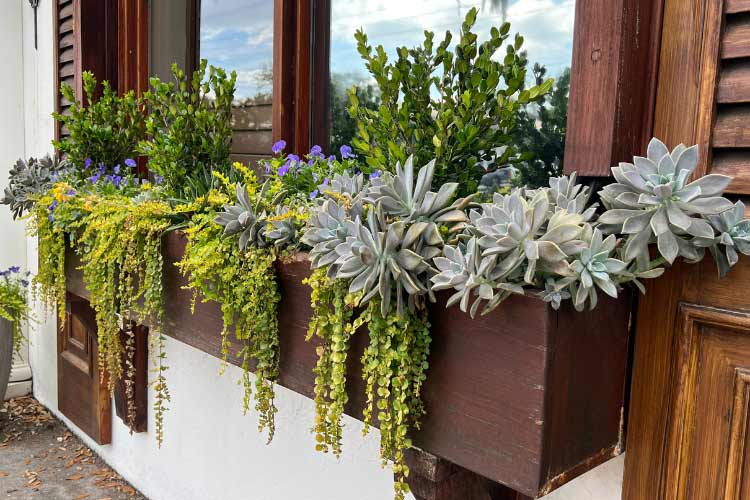
Window boxes aren’t just meant for windows, but you can use them for your windows if your deck has some. If you don’t, mount your window boxes on the railings or place them along walls. Paint them in neutral tones to match your outdoor design, or leave them bare if they’re made of wood for a rustic appeal. With proper drainage to prevent water buildup, you’ll soon have a wall of herbs, flowers, and shallow-rooted greens in boxes that don’t take up any floor space.
7. Succulent Shelf Garden
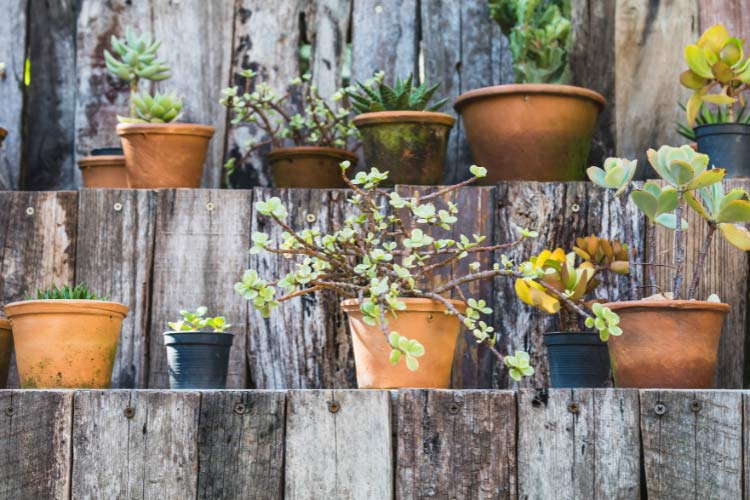
Mounting shelves to the wall on your deck isn’t a good idea if you’re renting or looking for a temporary setup. But it’s a winner when it comes to stacking succulents vertically, keeping them all visible. It’s also the best way to keep them within reach for watering. Your succulent shelves should be protected from heavy rain, but placed in a spot that gets bright light, and the pots need proper drainage and cactus-specific soil. The result is a curated and calm living display that doesn’t need daily attention.
8. Trellis Plants
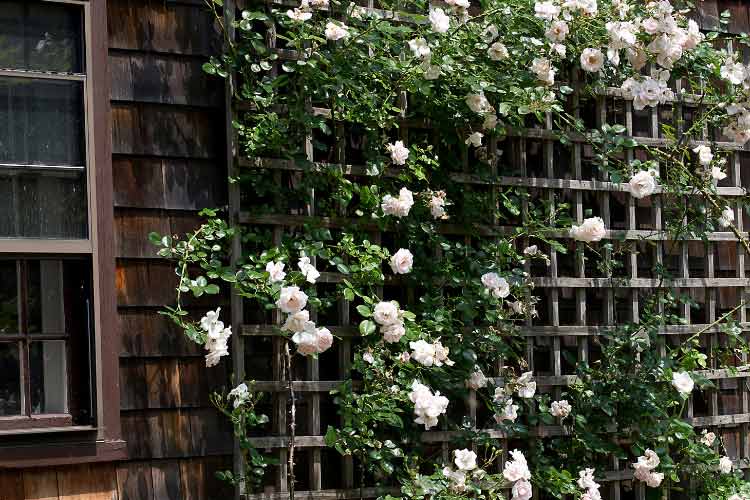
Trellis plants don’t sprawl, they climb, which is ideal for small apartment decks that need some greenery. Use a freestanding trellis or mount it to a pot to avoid drilling. Place your trellises where they’ll make the biggest impact and create an enclosure without walls. Then, plant your jasmine, peas, beans, or climbing roses and allow them to do their thing. The end result is a beautiful backdrop that provides privacy and shade, and keeps the deck floor open for other activities.
9. Stackable Planter Towers
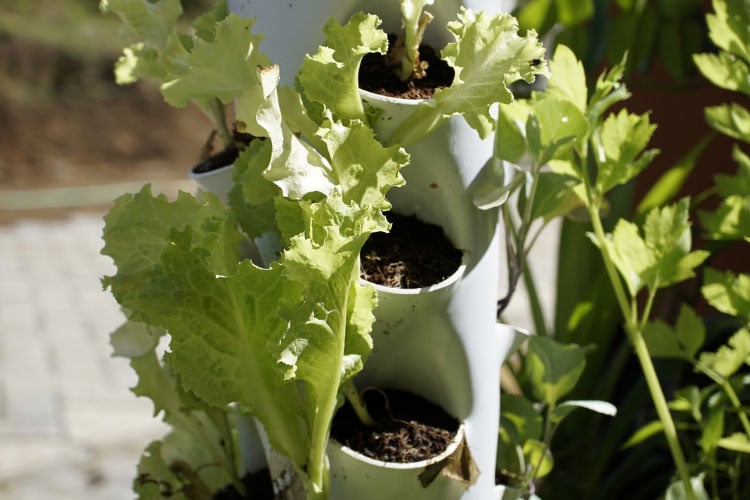
Stackable planter towers are designed to house multiple plants or plant varieties in the same space that a single pot or planter would normally take. They work well for strawberries, herbs, flowers, and leafy greens, but you’re going to need to water your plants consistently. Balanced light exposure is also important, so if your deck has some shady spots you should rotate them occasionally. Stackable planter towers can be designed and customized according to your needs and you can also choose your referred materia
10. Indoor-Outdoor Planters
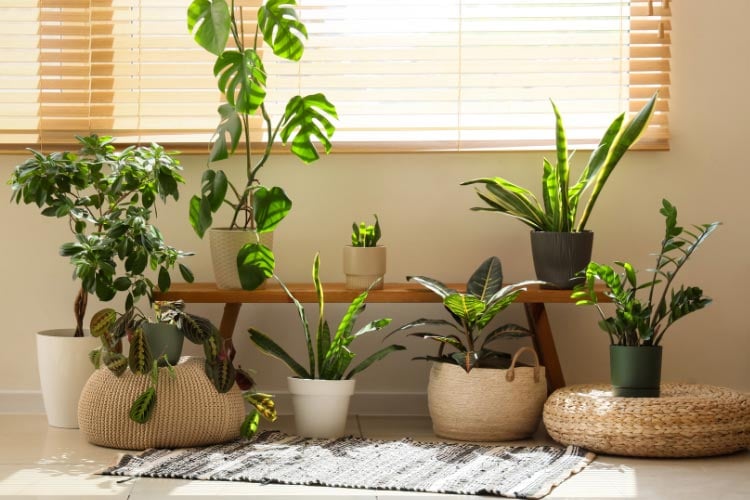
Being able to move your planters indoors during cold or stormy weather conditions is even better than finding a way to create a little garden on your apartment deck. With indoor-outdoor planters, you can let your plants enjoy sunshine and fresh air outside and bring them in when they’re at risk of nature. These planters make your deck feel like an extension of your home because it’s like moving your plants between two rooms. The key is to choose a neutral design that suits both of your aesthetics.
11. Hanging Herb Rack
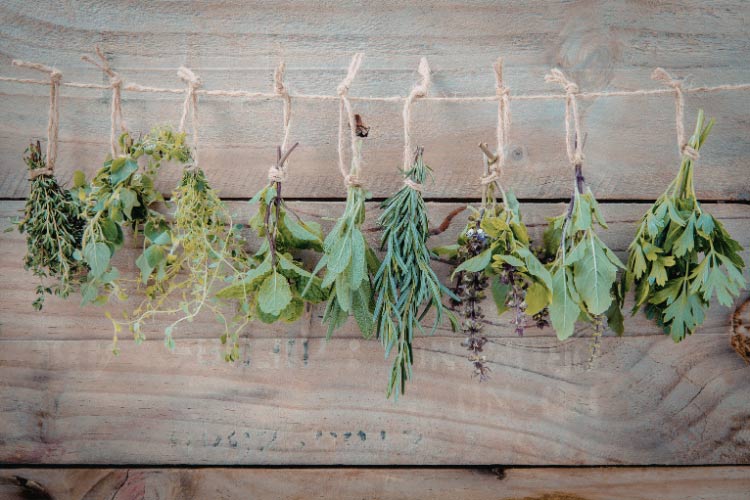
The best way to make use of vertical space rather than horizontal is by hanging your plants. Hanging herb racks can be mounted on freestanding frames or you can hook them to existing railings. This keeps your herbs tidy and accessible, improving airflow and reducing pest issues. Your delicious herbs will now be within reach to water, but also to quickly harvest while cooking. Be mindful of the containers and hooks you choose because you want them to be lightweight and secure.
