
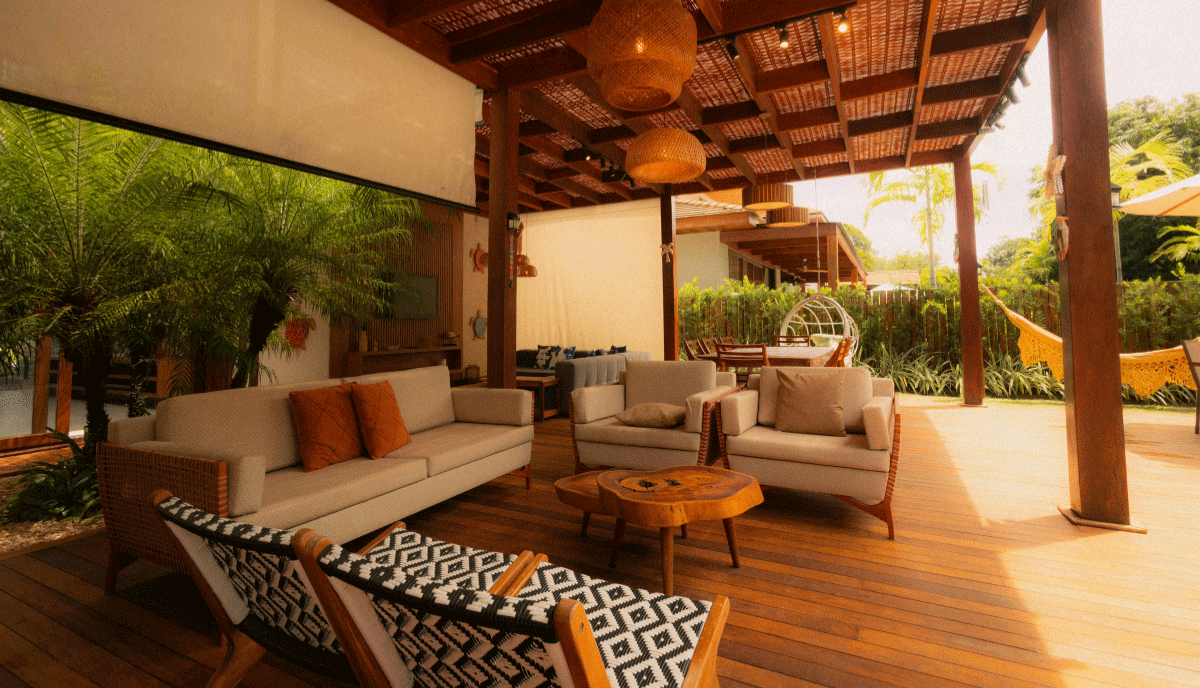
Concrete patios are incredibly durable and low-maintenance, but sometimes they come with high price tags. Plus, pouring concrete is a pretty permanent change to your patio, which isn’t always an option. The key is to choose another material that suits your climate, aesthetic, and the amount of maintenance you’re willing to do. With these affordable alternatives to concrete patios, you can save on labor costs, get less heat retention and better drainage, and achieve a softer look.
1. Gravel Patio
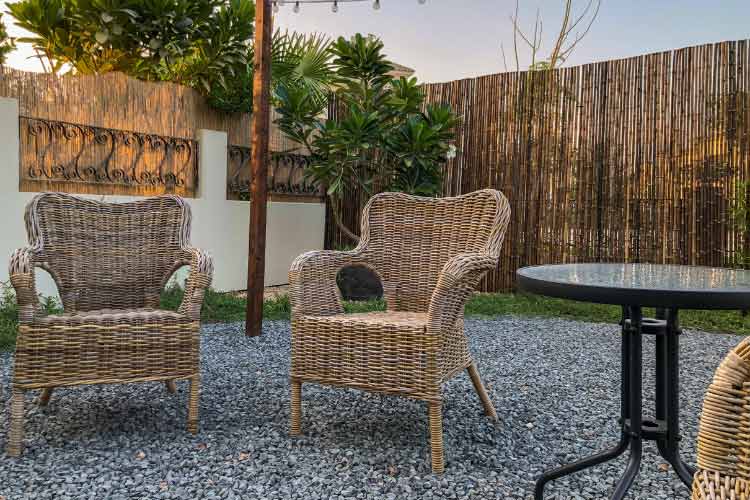
Skip the concrete and go straight for the classic, simple, affordable beauty that is gravel. Lay some landscape fabric over your patio and spread crushed stone or pea gravel over it to create a permeable surface that prevents muddy puddles. Gravel is very cheap and so easy to install that you can turn it into a Saturday afternoon DIY project. Edging is important if you don’t want to constantly rake and fill up the gravel, so go for bricks, timber, or metal borders. Compared to concrete, gravel is a lot more forgiving and ‘repairs’ are easier and affordable. Yet, it gives the same natural, neutral look that you’d get from a concrete patio, especially if you choose the right color.
2. Wood Decking
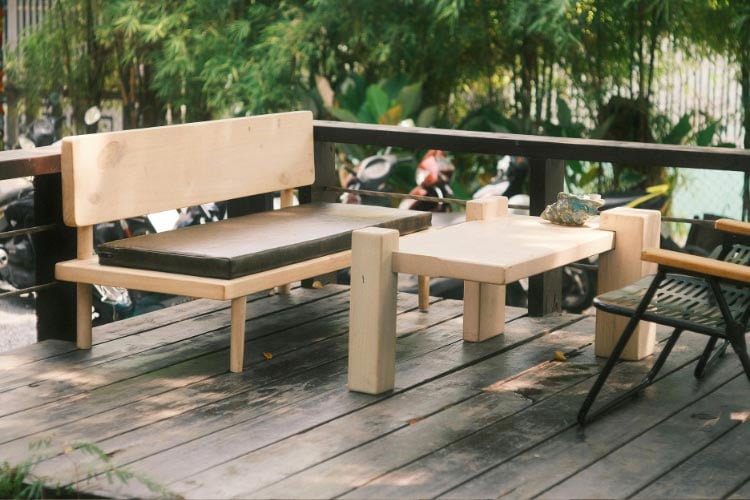
Wood decking gives you the chance to save a lot of money while creating an elevated patio that allows proper airflow and drainage. It also brings a much warmer, more inviting feeling to the table. Use pressure-treated pine, cedar, or composite decking boards to create your wooden deck patio. Stain the wood or paint it to match your outdoor space, or leave it bare for a natural look. You’re just going to have to seal the patio periodically to extend its lifespan and prevent rot, but it’s still a much cheaper alternative.
3. Sand Patio
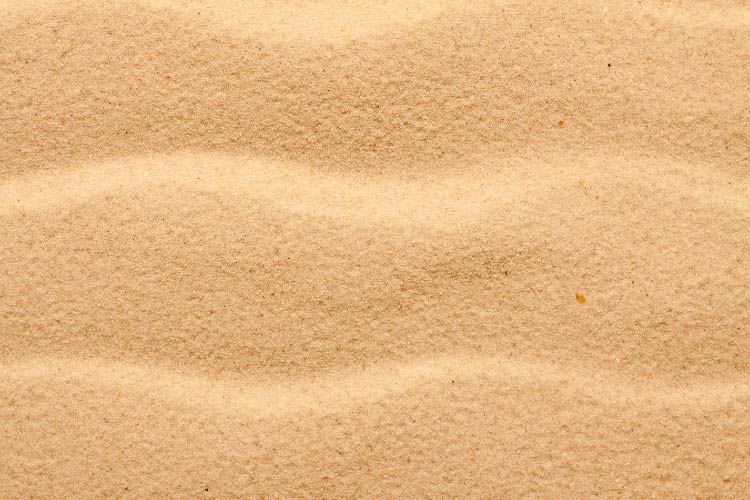
Sand is without a doubt the cheapest material you could use in the place of concrete. A sand patio is very easy to adjust, relocate, or expand, especially if you installed it over a sheet of landscape fabric and a layer of compacted sand. You can leave the sand bare for a very relaxed, beachy feel, or top it with pavers, flagstones, or stepping stones. Surround the sand with timber, bricks, or rocks to keep it all contained and tidy. You don’t need any adhesives, tools, or special materials to turn your patio into a coastal-feel paradise and maintenance is minimal.
4. Classic Grass Patio
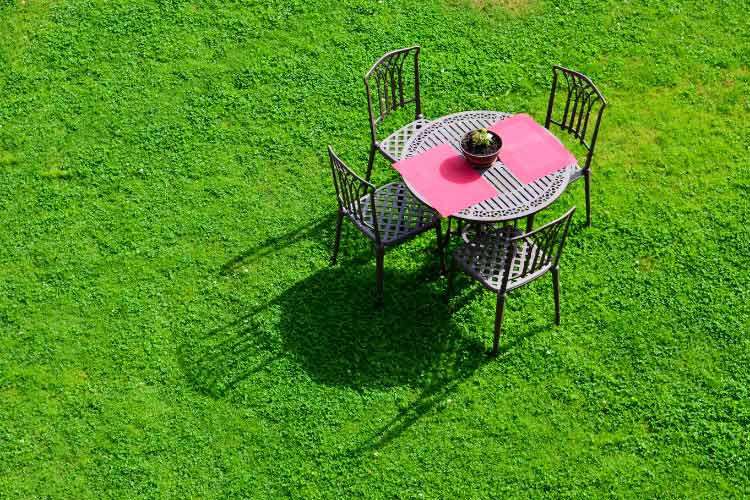
Patios don’t have to be made of gravel, wood, concrete, or any other materials. Natural, soft, cheap grass is also an option, especially if you want your patio to be a casual seating, picnic, or play area. Level the area and lay sod or seeds for a simple surface that integrates seamlessly with gardens and landscapes. It’s perfect if you want an open, organic layout and by far the most natural affordable alternative to concrete. The only downside is that grass needs regular watering, mowing, and reseeding, but the initial costs are very low.
5. Artificial Turf
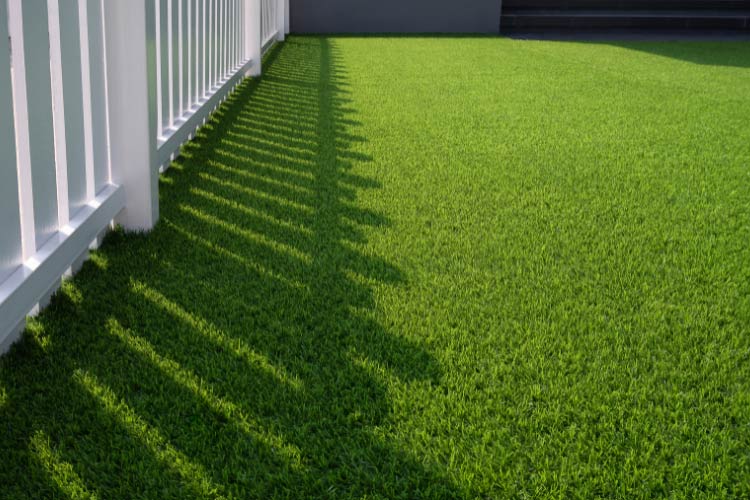
If grass isn’t an option but you still love the idea of replacing expensive concrete with something cheap and green, there’s always artificial turf. It can cover areas where grass wouldn’t survive and it stays beautiful throughout the year. That’s right, no patchy spots. It’s very easy to install over a layer of compacted sand or crushed stone and maintenance is almost non-existent compared to concrete and really grass. You just need to give it a good brush every now and then to remove the debris. Frame the turf with reclaimed pavers, natural stone, or wood edging to give it a neat look, and anchor the corners and sides with furniture or weights.
6. Reclaimed Pavers
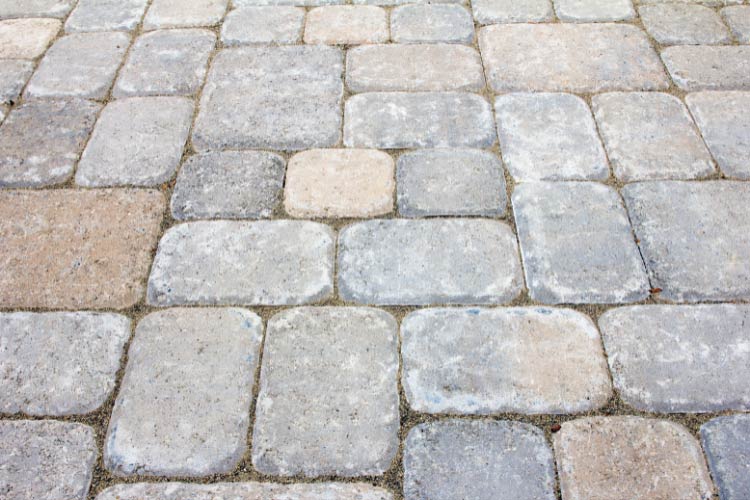
Pavers are very customizable, versatile, and durable. They may not always be cheap, but you can save big bucks by sourcing reclaimed or salvaged pavers. Not only is it budget-conscious to use recycled materials, but it’s also eco-friendly. Not to mention the character that used pavers add to a patio. Clean, level, and install old bricks, tiles, or concrete pavers as an affordable alternative to a concrete patio. You can make random patterns or opt for a uniform layout, depending on the pavers you find and the look you want.
7. Paver-and-Gravel Mix
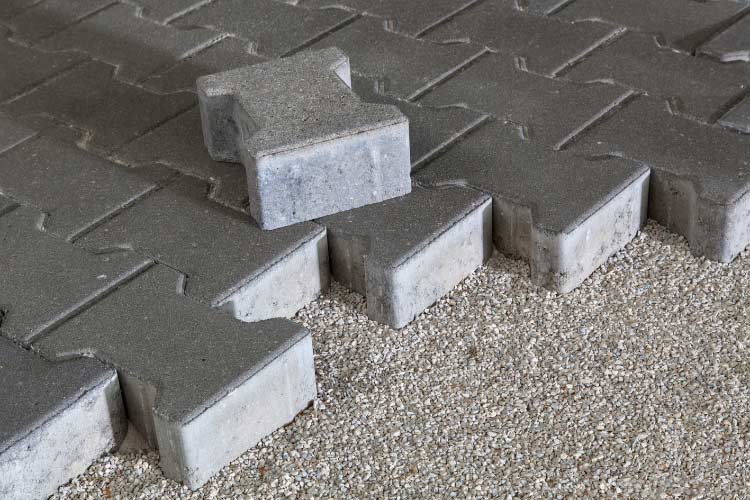
There’s a way to combine two of the affordable alternatives to a concrete patio that makes the entire process even cheaper. Instead of going for plain gravel or a solid paver look, why not have the best of both worlds? Lay reclaimed pavers at intervals and fill the gaps with pea gravel. It’s as easy as that. You can create patterns like checkerboard or a staggered layout, or opt for simple designs with lines, squares, or circular patterns. Mixing pavers and gravel reduces the amount of pavers needed, making it much more cost-effective, without sacrificing stability.
8. Interlocking Outdoor Tiles
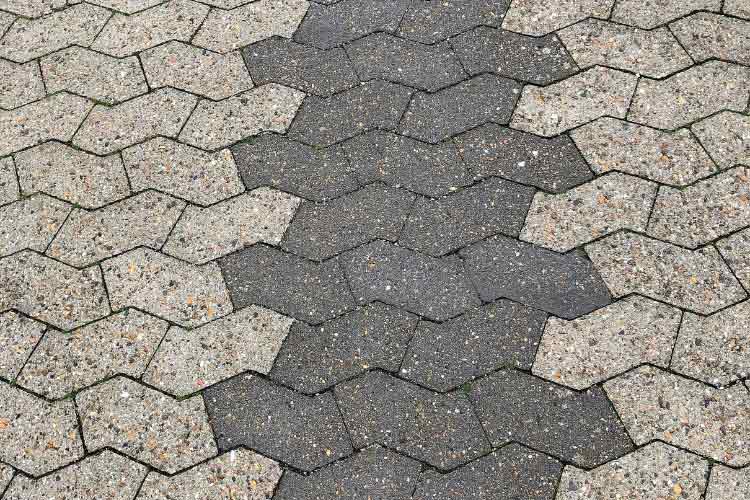
Interlocking tile patios aren’t as solid and durable as concrete patios, but they do the job at a fraction of the cost. The tiles come in wood-look, composite, cork, and even plastic options to match your style and traffic-handling needs. You can install them yourself because they simply snap together over level ground or decking without the need for adhesives or special tools. What’s more, interlocking tiles allow water drainage, are easy and cheap to replace if damaged, and they’re portable. You can take them with you when you move or place them in another spot in your yard.
