
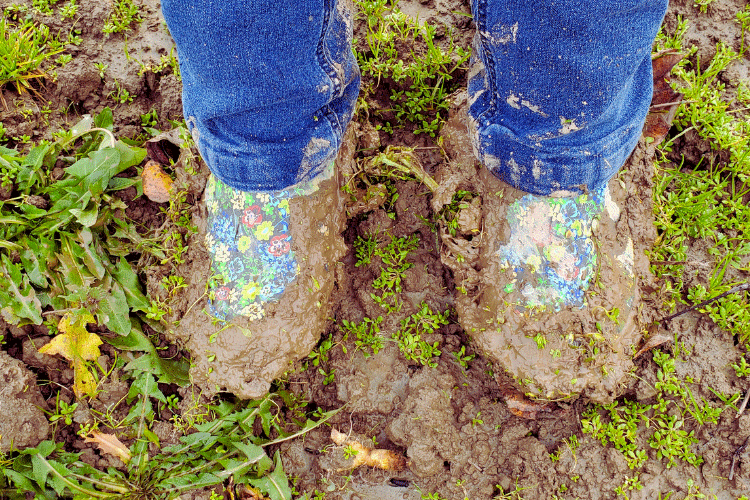
A muddy backyard is fun – if you’re a pig. The truth is that there’s nothing fun about having a backyard that turns into a mud pit every time it rains. When that happens it can feel like you’re living in a swamp rather than a sanctuary and not only does it look yucky, but it’s a constant battle to keep the soggy mess out of your home. Fortunately, you don’t need to hire a construction crew or buy a truck load of landscaping materials to fix the problem. All you need is this list of easy fixes for a muddy backyard and some motivation. And if the situation is really bad; some patience too.
1. Add A Gravel Layer
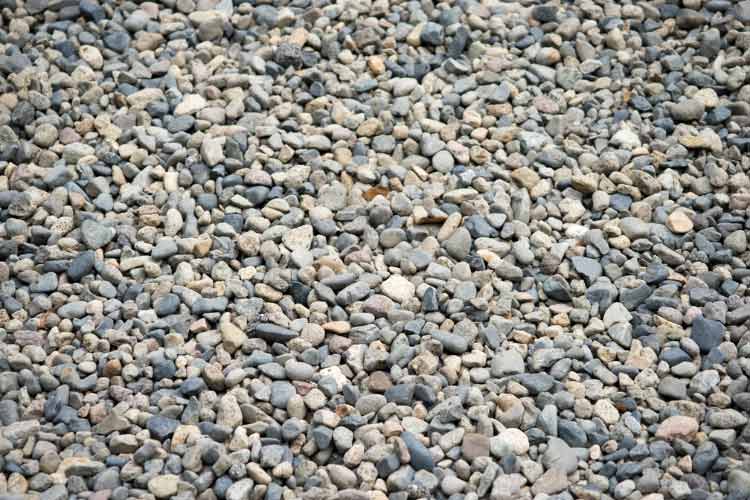
Gravel is the go-to landscaping material for a reason. It’s inexpensive and it solves many problems, and that includes muddy messes. Spread coarse gravel over the problem zones to create a firm walking surface that allows water to drain through. This will stop pooling, which in turn will stop mud patches. It works best on compacted soil because sinking can be a problem if the ground is too loose. It’s also important to note that angular gravel will work slightly better than round stones because it’ll interlock better, which means it’ll be more stable with more traction.
2. Install Stepping Stones
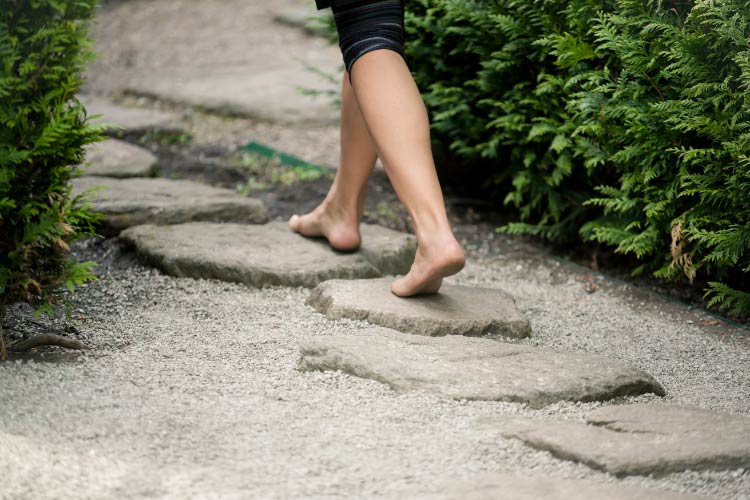
If you don’t like stepping directly in a sea of mud, add some islands in the form of stepping stones. Place large stones on compacted soil or over a thin bed of sand with enough space between them to make the walk-over feel natural. Natural rock, concrete slabs, and decorative pavers can all work as stepping stones. They should be roughly one normal stride apart because you don’t want to jump and it’ll be clumsy if they’re too close together. If you add gravel or mulch in the empty spaces, you can look forward to an even lower chance of mud creeping in.
3. Create A Drainage Trench
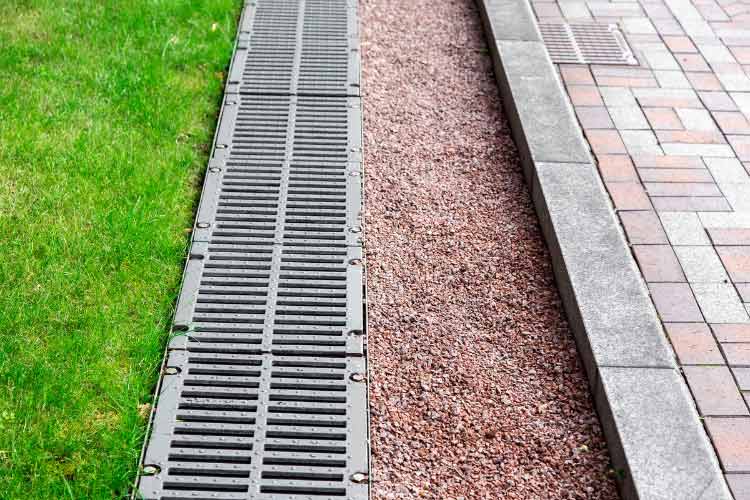
Most easy fixes for a muddy backyard involve finding a way to work with the water where it lands. But what if you can find a way to redirect the water so the puddles and muddy areas simply don’t happen? Dig a shallow channel or trench along the problem area, letting it slope toward a lower section of the yard, or even out. Don’t try to lead the water upwards because the trench should follow a natural flow for it to work best. Line it with gravel or perforated pipe for better flow, especially when it pours, and cover it with soil or decorative stones.
4. Build A Raised Deck Area
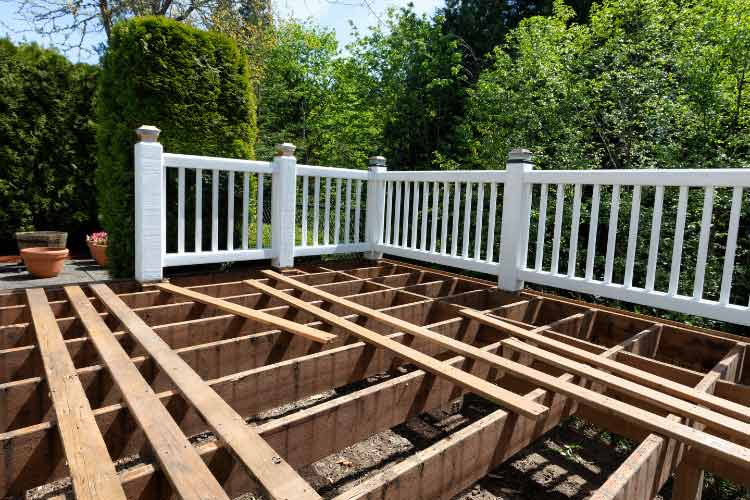
If there’s a specific problem area that you can’t seem to get rid of and gravel or a trench isn’t going to work, this may be the option for you. With a raised deck, you lift a piece of your backyard above the soil to keep the mud away from your walking surface. You can build it on concrete blocks, treated posts, or on a simple metal frame to let water and air circulate underneath. Regardless of which material you choose or the size of your deck, it’s important to maintain the soil underneath to prevent erosion. A layer of gravel or a retaining wall should ensure that you don’t discover that there’s no soil left underneath your deck at some point in the future.
5. Add Mulch Covering
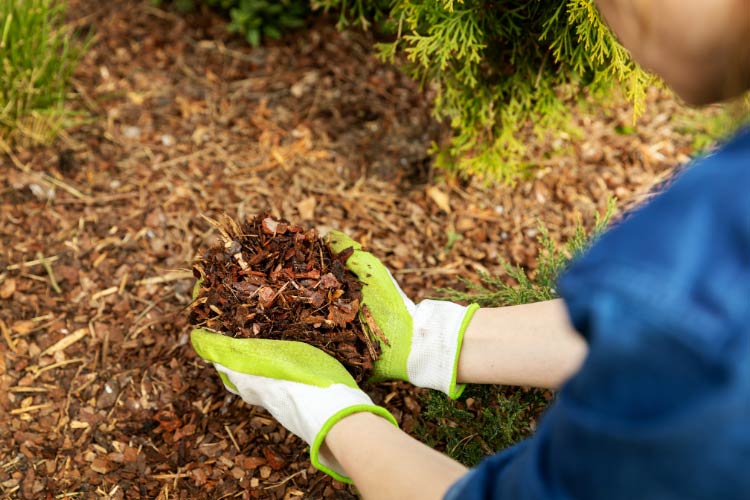
Mulch (wood chips, bark, or straw) is just as effective as gravel, but it does a little something extra. It also absorbs excess moisture while allowing water to drain through, which translates to no more muddy puddles. It also adds visual appeal and softens the surface, but you’re going to have to top it up after heavy rain. Fortunately, it’s very easy to replenish and the price is pretty attractive if you consider how effective it can be.
6. Install A French Drain
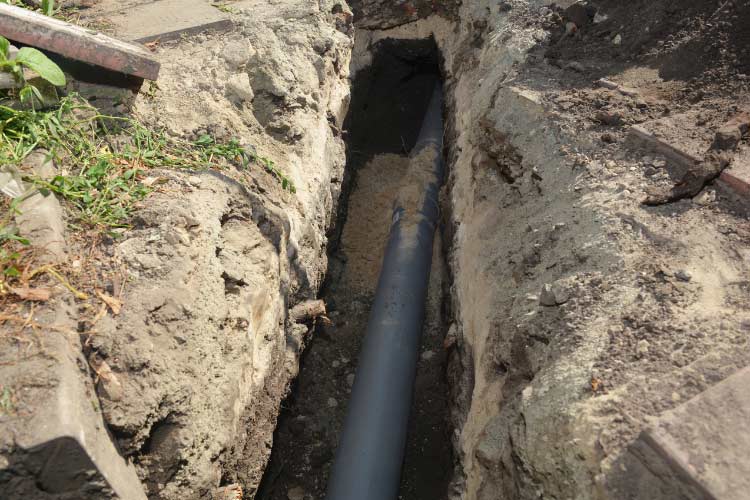
A French drain doesn’t just redirect water like a drainage trench, but it also collects the water to prevent standing water and mud buildup. It sounds complicated, but it involves nothing more than a sloped trench with a perforated pipe that leads to a collection area. If you cover it with landscape fabric and soil, debris will stay out and it’ll stay effective for years and years to come. You can even use this idea with any of the others for an even better solution because imagine the difference a French drain and stepping stone combination could make.
7. Install A Paver Path
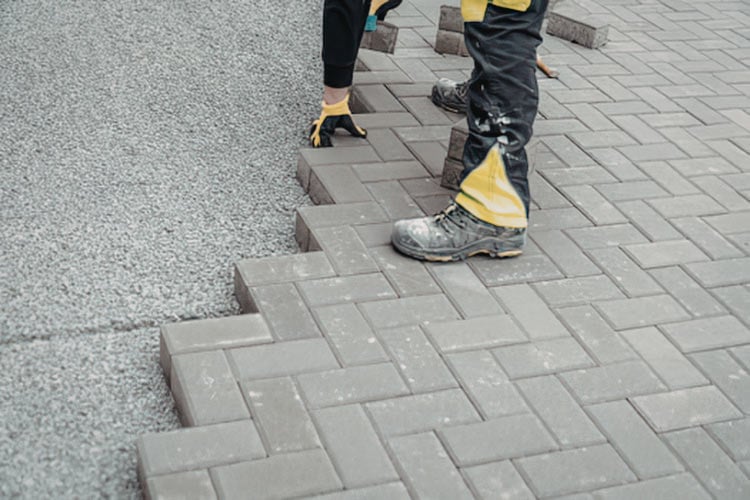
A paver path serves the same purpose as stepping stones here and there but it’s a more permanent solution. It also requires a bit more effort and materials because the gaps are smaller. Use concrete, stone, or brick pavers and arrange them in straight lines or patterns over a sand or gravel base. You don’t need to pave your entire yard if you want to maintain a natural feel, but a sturdy, clean path leading to your door can make a very big difference. If you add edging that’s slightly higher than the path, like a row of bricks that are placed diagonally, it’ll stay cleaner for even longer.
8. Lay Outdoor Mats
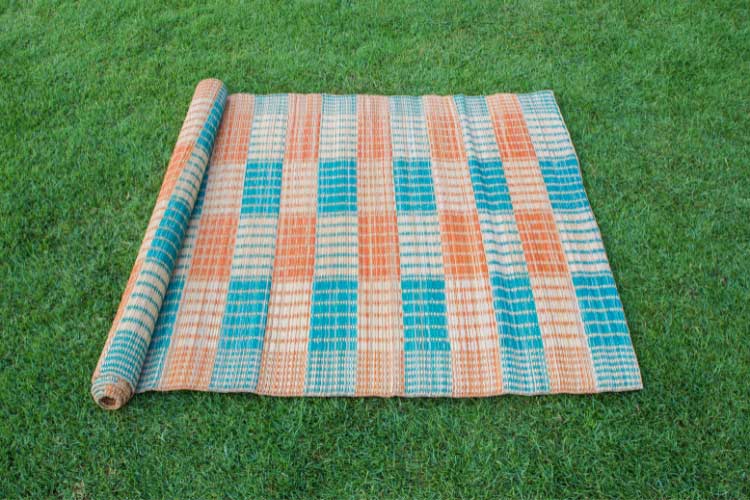
This easy fix for a muddy backyard is only going to work if there’s no chance that the rest of the yard’s mud isn’t going to end up right on top of your outdoor mat. That means your yard should either be small so a mat could cover the whole thing, or the problem area shouldn’t be bigger than your mat. For instance, if there’s a small patch leading up to your front door that gets muddy while the rest is paving or gravel, you could only cover the patch and it’ll work. Outdoor mats come in rubber, coir and synthetic materials, but they all serve the same purpose, which is making your life easier.
9. Add A Retaining Wall
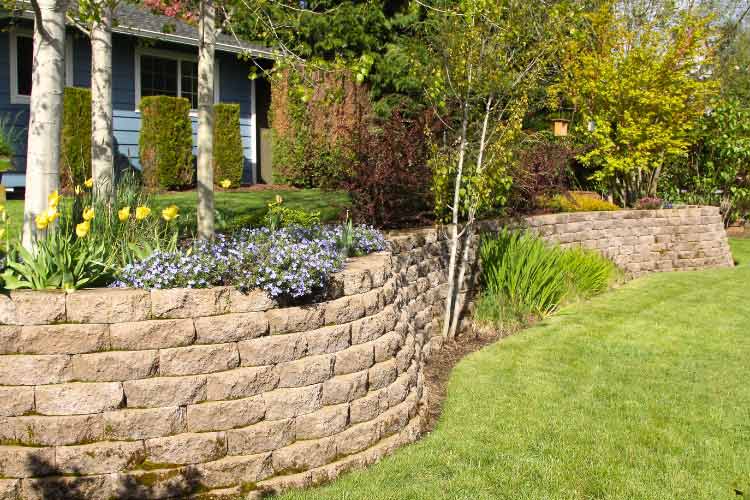
A low retaining wall manages water flow to hold soil and direct runoff away from your yard. They work especially well along slopes or around sunken garden beds, but you can add a retaining wall made from stone, brick, concrete, or timber anywhere you think it’ll make a difference. This easy fix costs a bit more than some of the others, but it’s definitely going to pay off in the long run because it’ll last for years if constructed properly.
