
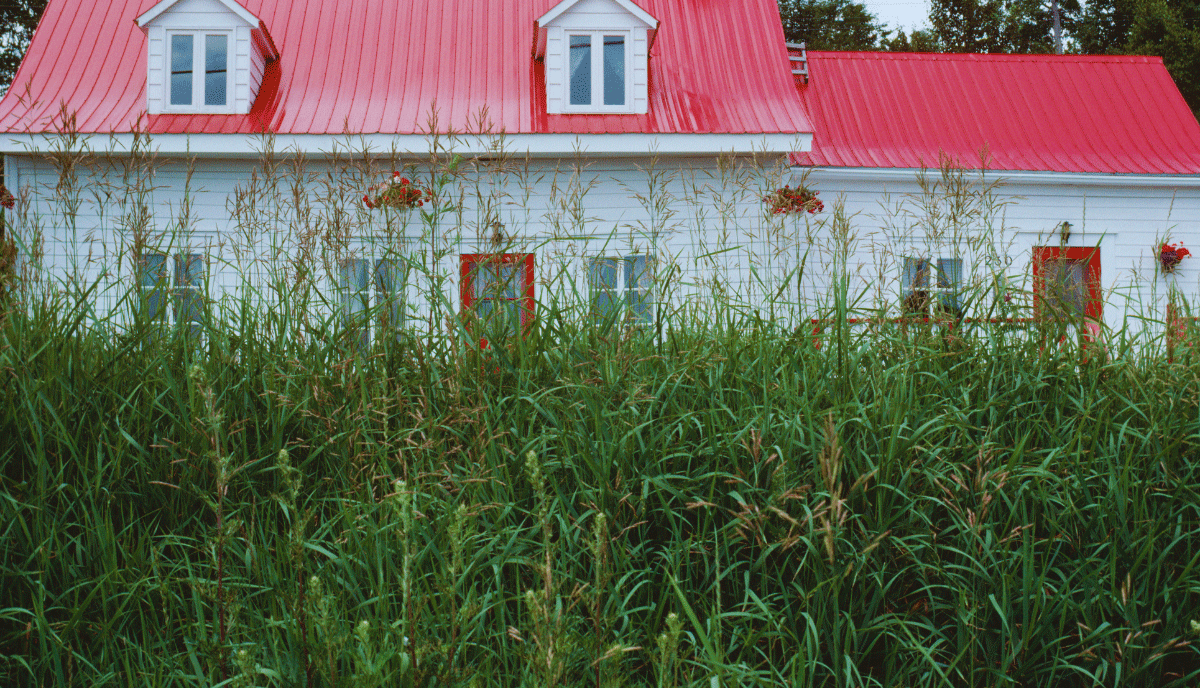
Instead of gorgeous and full of life, an overgrown yard leans more towards messy and neglected. Your expensive garden sculptures and your cozy outdoor lighting can all disappear into the jungle, leaving nothing but chaos to admire. Once it gets to the overgrown point, tackling it can feel overwhelming, which means you may put it off and let it get even worse over time. The good news is that once you’ve got a plan and you learn that budget isn’t really a factor, you can easily whip it back into shape. With these cheap ways to fix an overgrown yard fast and some motivation, you’ll have your beautiful space back in no time.
1. Trim Overgrown Shrubs
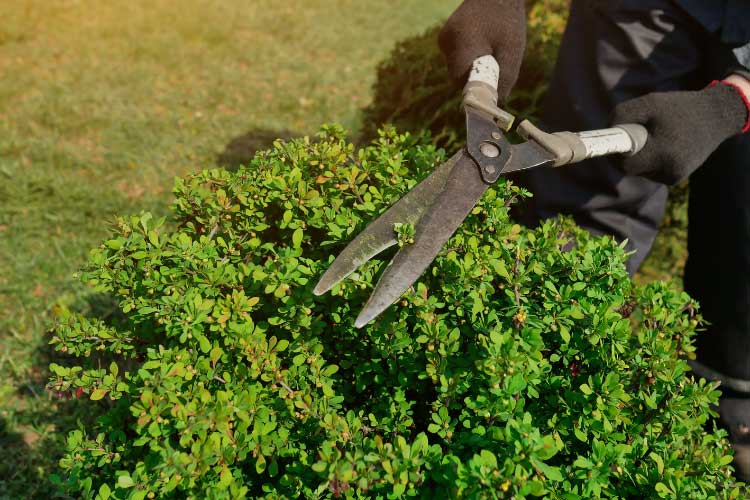
Shrubs are meant to be neatly trimmed. Yes, letting them grow a little wild can be cute if that’s the look you’re going for, but it shouldn’t get to overgrown status. Fortunately, fixing the issue is as simple as using pruning shears or hedge clippers to cut back excess growth, shape the plants, and remove dead or twisted branches. If there’s anything blocking a window or walkway, get rid of it. Properly shaped shrubs get more sunlight and air, which means they’ll be healthier and happier overall.
2. Mow and Edge the Lawn
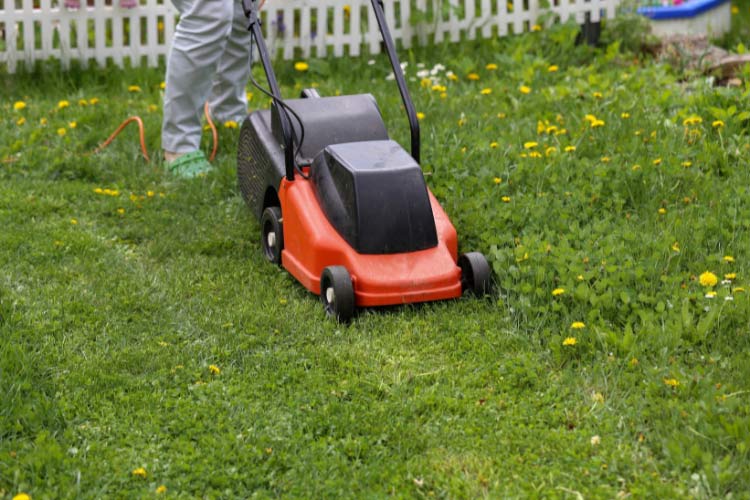
Mowing the lawn may sound like a simple solution because it should be done anyway, right? But sometimes it’s easier to push the lawnmower around aimlessly to get it over and done with than to spend time on the finer details. Edging along walkways and garden beds with a string trimmer or edging tool can create visual order, which then makes everything seem intentional and inviting. Regular mowing also encourages thicker growth and discourages weeds from taking over, and there’s nothing better than the look and smell of a freshly-mown lawn.
3. Remove Weeds Manually
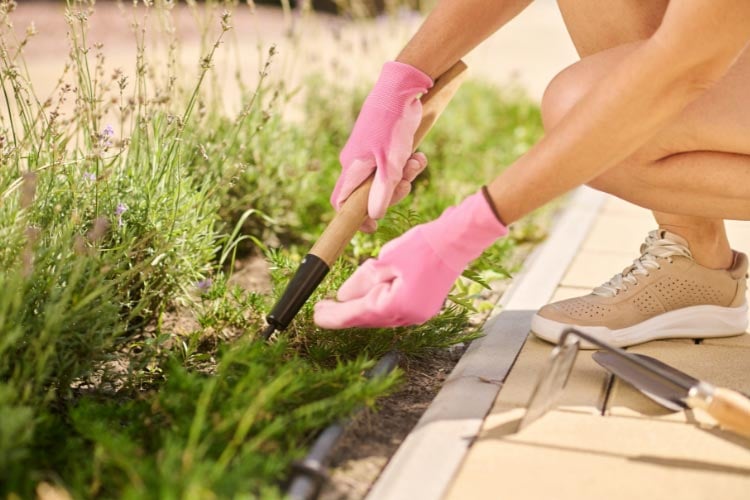
Yes, it’s old-school to remove weeds by hand, but it’s incredibly effective and it’s free. They steal nutrients from plants and they pop up in the most inconvenient spots, so it’s always better to do whatever you can to get rid of them. You won’t need more than a pair of gloves, a weeding tool, and some time. If you pinch small weeds at the base they won’t grow again and the rest of your plants will be much happier. Manual weed removal is also beneficial if you would prefer to reduce chemical use, keeping your costs low and your yard eco-friendly.
4. Prune Tree Branches
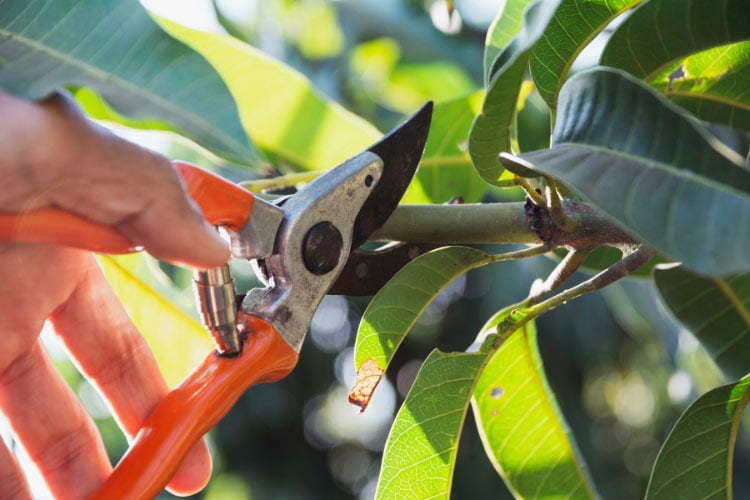
Just like shrub stems, weeds, and grass, tree branches can get out of hand over time. They drop debris and block light, which makes the yard appear messier than it actually is and encourages moss and weeds. With a pair of pruning shears, loppers, or a small saw you can turn your unruly trees into elegant features that complement other features rather than overshadowing them. Get rid of the dead branches, those that hang low, and the ones that block walkways, windows, and other structures.
5. Clear Fallen Debris
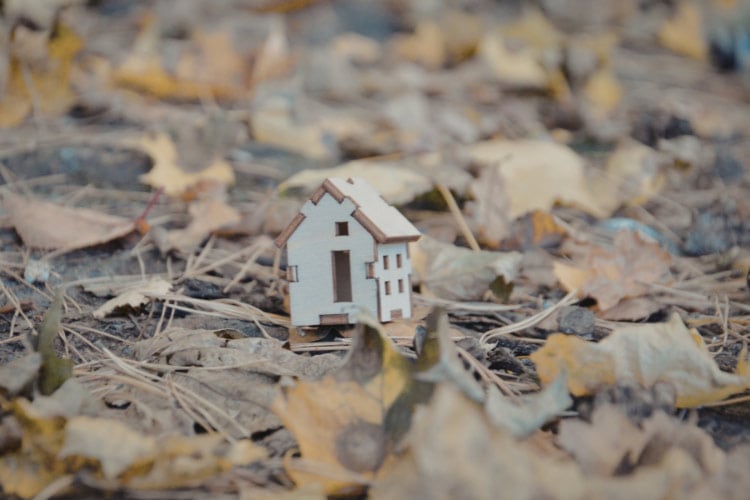
There’s nothing wrong with an additional natural element in your yard. Rocks and tree stumps can look decorative and intentional, but fallen debris is an entirely different story. That includes things like dead leaves, random sticks, and other types of yard debris. Once you get rid of it with a rake or leaf blower, landscaping will be much easier, there will be less mold and pests, and the look will be neat and elevated. It’s a cheap fix if you have the tools on hand, but it makes a bigger difference than you’d expect.
6. Pressure Wash Paths
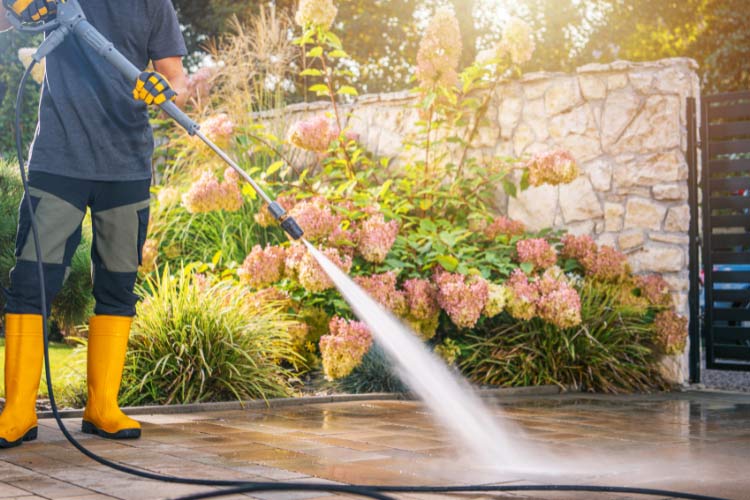
With an overgrown yard comes dirt, moss, and algae that covers the paths and walkways. This brings along bugs and critters and it makes everything seem smaller and overcrowded. Use a pressure washer to blast away grime in joints, cracks, and shaded areas to put the attention back on your other landscaping elements. If you don’t have a pressure washer, a stiff brush with soapy water can work just as well if you’re working with a manageable surface area.
7. Remove Dead Plants
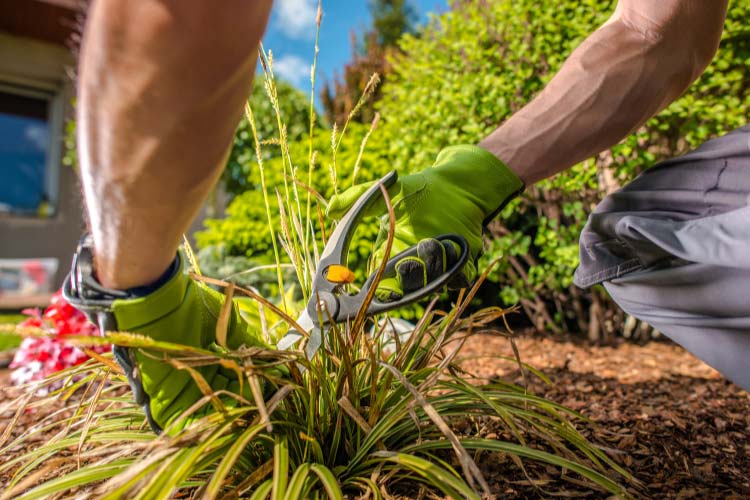
One of the cons of an overgrown yard is that not all plants can be healthy. Instead of thriving, they need to fight for sunlight, soil, and water. And if all of them can’t manage to gather what they need, they start dying. This invites pests, brings other plants down, and makes your yard look uncared-for. Take an hour or two and identify the problem plants, then remove them entirely, including the roots. There will be space for new growth, a lower risk of disease among your plants, and it’ll look cleaner and more vibrant.
8. Clear Clutter Items
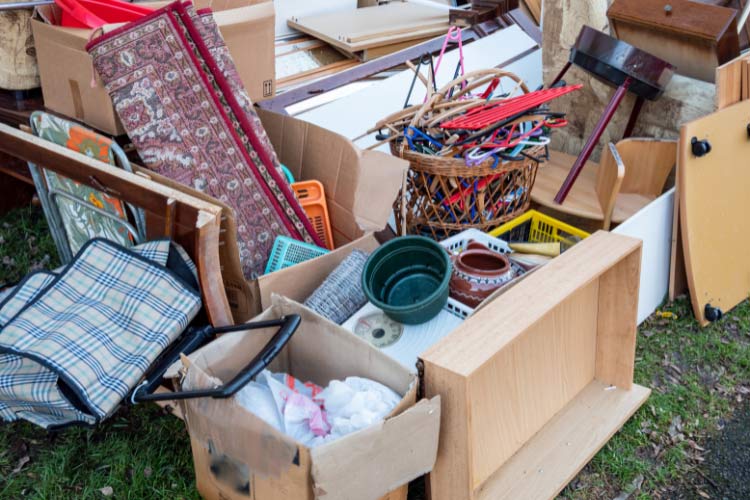
Clutter comes in many forms and it’s not limited to unnecessary items stacked in a hidden closet. It can be anything unused like broken tools, chipped pots, and even old toys laying around. Once you gather, organize, and store or discard these items, you’ll eliminate obstacles and open visual space. Mowing, trimming, and keeping everything in tact will be much easier and your overgrown yard will appear more put-together. Plus, not only will you save money, but you may even make some extra by selling your unwanted items.
9. Rake and Level Soil
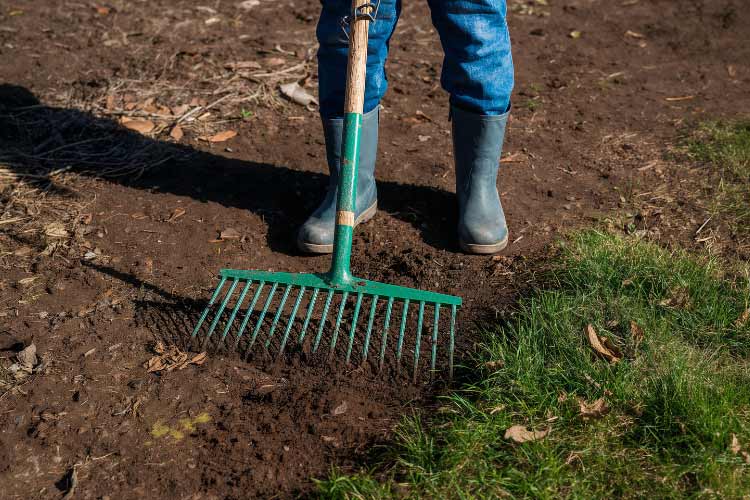
Soil can start to get messy over time, especially with wind, foot traffic, and heavy rain. And sadly, it makes your yard feel neglected. Use a rake to break clumps, remove large stones that have moved in, and level the surfaces. Not only will it look much better and fresher, but the drainage will also be better, which means your plants will be much happier and healthier. You don’t have to do this every week but a quick rake and level every now and then can work wonders.
10. Divide And Replant Perennials

Perennials should be decorative and lively, not overgrown and overcrowded. Fortunately, there’s a quick fix and it doesn’t cost a thing. Dig up all of your mature plants, separate clumps, and replant them in new areas with a bit more space. Your plants will be healthier, grow faster, and they’ll fill the gaps naturally, giving your garden room to breathe. It’s a tiny fix that makes a big difference in the aesthetics of your yard.
