
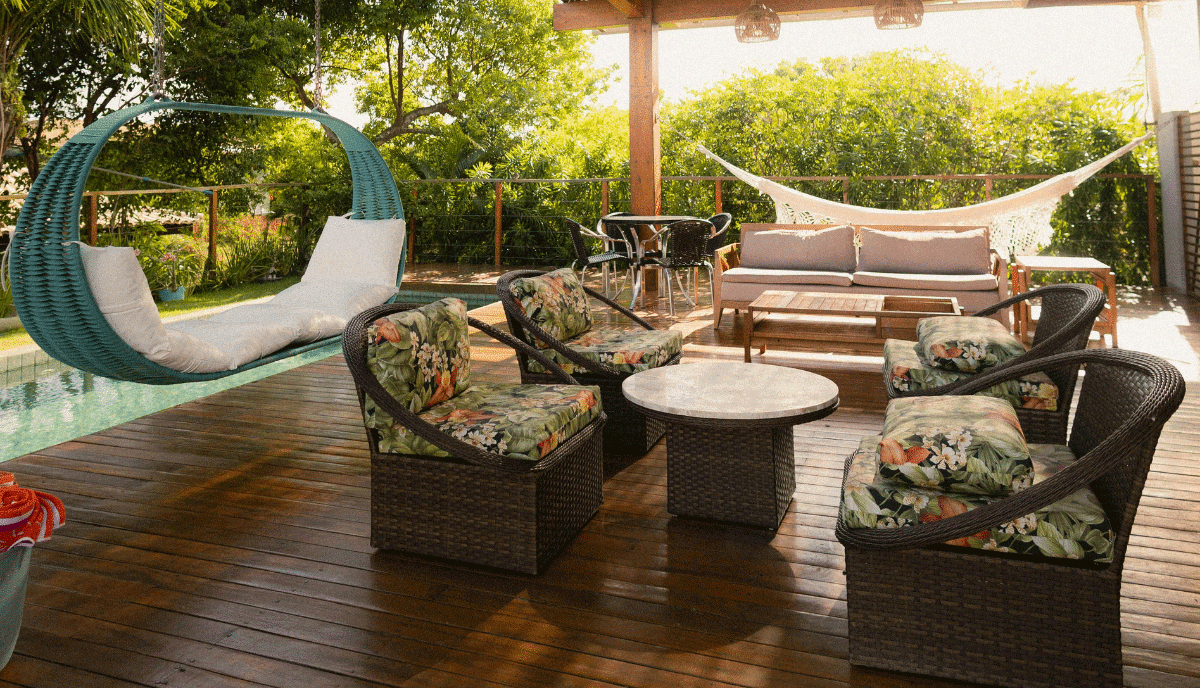
Concrete is a reliable option when it comes to flooring, and it’s the default patio choice because of how durable it is. But there may be a couple of reasons why you don’t want to add it to your patio design. It may last for many years, but do you want to be stuck with it for many years? Whether it’s the fact that it can feel cold and uninspired, the cost, or just personal preference, the good news is that you have other options. There are many great patio flooring ideas that aren’t concrete, from rustic choices to alternatives that give the same sleek modern feel.
1. Brick Pavers
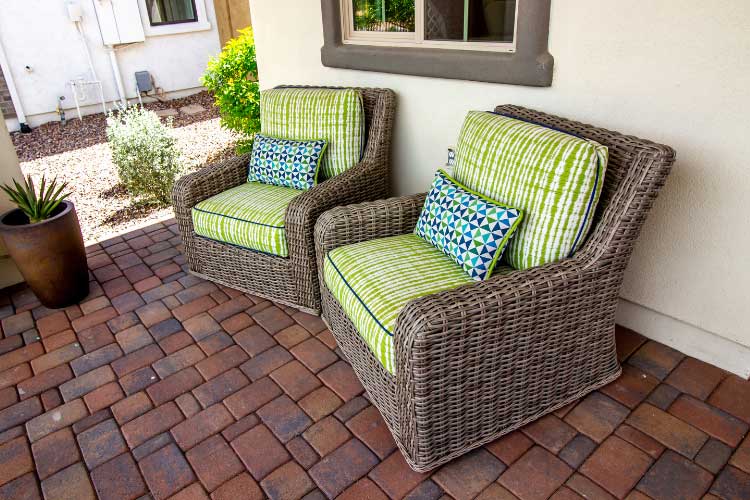
If you don’t like smooth concrete or concrete pavers, you could opt for brick pavers. They’re as versatile, durable, and weather-resistant as concrete, but they appear much warmer and more rustic. It’s the perfect choice if your home is more traditional, but it can also work well in modern landscapes. You can arrange the bricks in any pattern from herringbone to basketweave over a leveled sand base. The gaps between the bricks allow for drainage and over time it’ll get a lived-in feel when moss or grass start to appear.
2. Gravel Patio
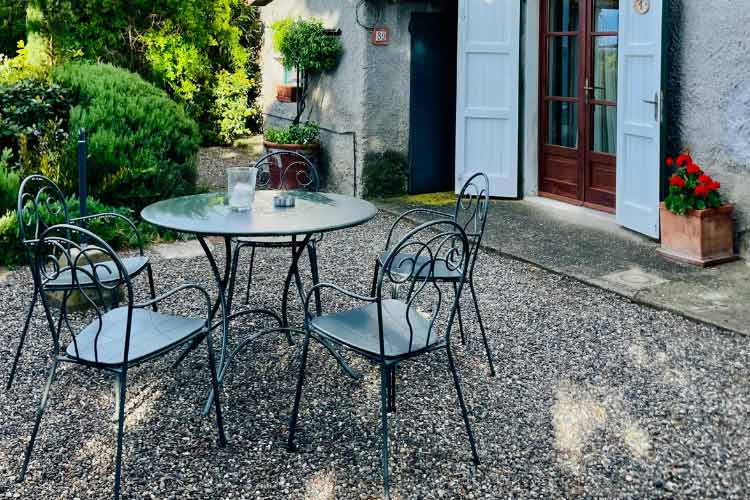
Gravel is usually the go-to when it comes to landscaping. Whether it’s to fill flower beds, to cover bare sand, to create walkways, or to replace concrete on a patio, it’s a classic choice. It’s cheap, comes in various sizes, shapes, and colors, and pairs well with most other elements. You can use it by itself or between pavers or large stepping stones. Furthermore, it’s easy to maintain by giving it a rake and top-up every now and then, and you can keep it contained with edging or larger sizes of gravel. Installation is as simple as leveling the base, adding a weed barrier, and spreading the gravel evenly before compacting it.
3. Wooden Decking
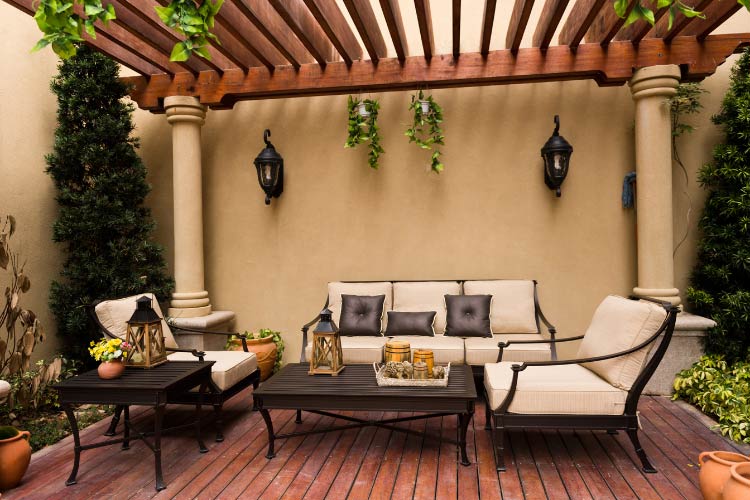
Don’t overlook wood as a concrete alternative. Especially not hardwoods like teak or ipe and softwoods like cedar or treated pine. These varieties are naturally resistant to decay and insect damage and relatively affordable. You can stain or paint the wood, or leave it natural for a rustic look, but sealing is important if you want it to last. One of the biggest benefits of wooden decking is that you can install it on uneven ground because you can adjust the height of the frame. That slope or small dip will be long forgotten and your patio will be level. Maintenance involves nothing more than periodic cleaning, sealing, and sanding to keep the wood fresh and splinter-free.
4. Porcelain Tiles
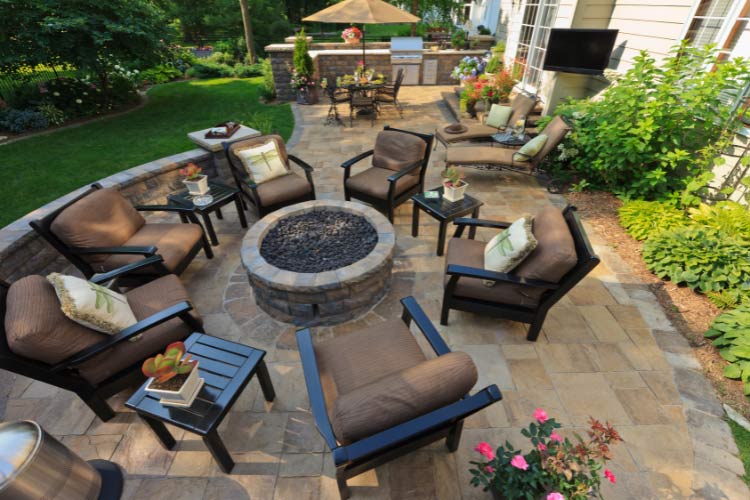
If you’re looking for something a bit more on the sleek and modern side, go for porcelain tiles. It’s an excellent way to extend your living space to the outdoors, making you want to spend time on your patio. Porcelain tiles can withstand water, frost, and heat without cracking and outdoor-grade options come in many textures, colors, and patterns. Some even mimic stone, wood, or concrete so you get the appearance without the cost and maintenance. Tiles need a leveled base and mortar or adhesive and grout lines will help with water drainage.
5. Flagstone
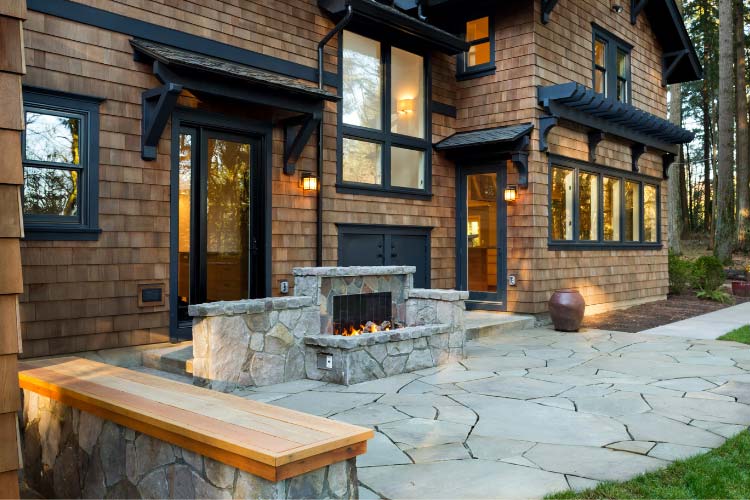
If you don’t want concrete but you want that same durability, natural stone or flagstone is the next best thing. Flagstone’s irregular and organic shape is perfect for a casual patio that looks both natural and luxurious. The flat, thick stones work perfectly over leveled ground with sand or gravel as a base. The stones need to be arranged tightly with small gaps for drainage and it pairs well with low ground cover or moss. Over time, the rustic charm will intensify and your patio will have more character than any expensive concrete option.
6. Artificial Turf
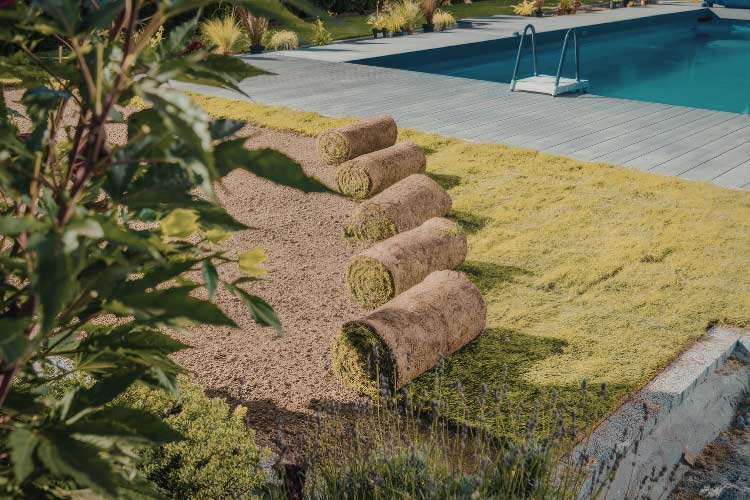
Artificial turf is as far from concrete as you’ll get. Yes, you can use regular/natural grass to cover your patio, but it takes a while to get it going and it requires constant maintenance. With artificial grass you eliminate the need to mow, fertilize, or water your grass without sacrificing on the lush green look. It also happens to be one of the softest patio flooring ideas that aren’t concrete and it’s perfect for children and pets. It’s as easy as getting a roll or interlocking turf squares and installing it over the flooring you’ve already got.
7. Outdoor Carpet
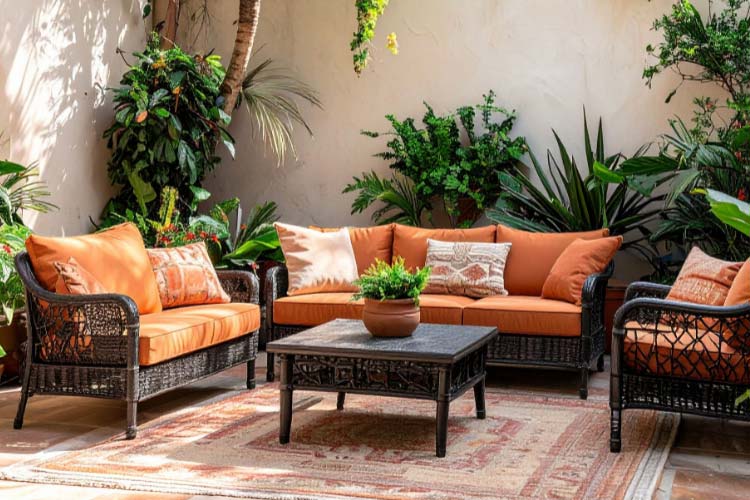
The list of benefits of an outdoor carpet is pretty long. Seriously, it’s effortless to install, budget-friendly compared to most if not all other options, and weather-resistant. You can also add comfortable, durable, customizable, versatile, and practical to that list. When the weather (or even your mood) changes, you simply clean it and put it away. And it’s just as easy to put it back in place again when you start to miss it. You can buy a standard rug, place a couple together, or cut one to size to match the layout of your patio.
8. Resin-Bound Gravel
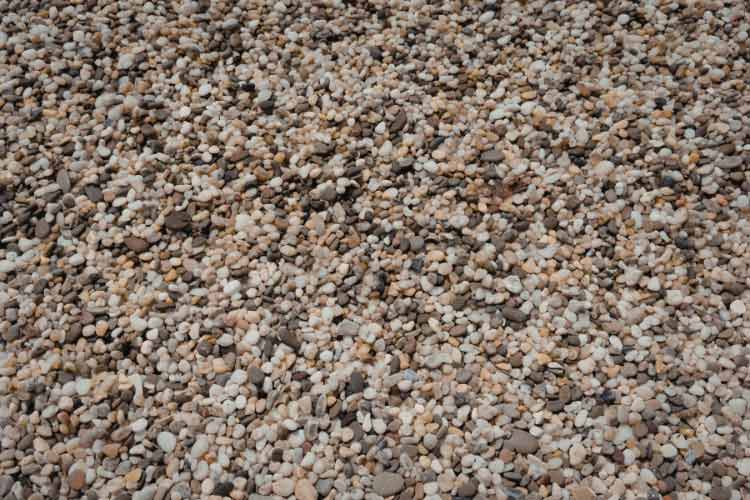
If you like the idea of gravel but the shifting or unstable surface puts you off, you can always keep it all together with some clear resin. Plus, resin-bound gravel requires less maintenance and it’s easier to clean than regular gravel. Mix different sizes and colors of gravel with resin and spread it smoothly over a prepared base. Once it dries it’ll be a smooth and durable surface that’s perfect for patios, walkways, and pool areas. Water will still be able to drain through but weeds, erosion, and shifting will all be a thing of the past.
9. Interlocking Deck Tiles
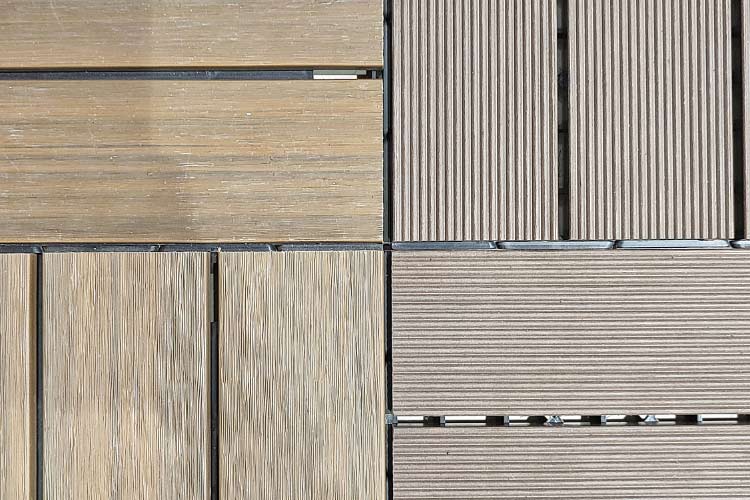
The best part about interlocking deck tiles is how easy they are to install. It’s by far one of the most DIY-friendly options out there and it comes in many forms. There are interlocking tiles out there made of anything from wood or composite decking to stone, rubber, cork, plastic, and foam. They’re lightweight, durable, inexpensive, and you can pack them up and store or move them when your needs change. Not only is it one of the best patio flooring ideas that aren’t concrete, but it’s also a cheap way to cover your existing flooring. They can also be installed over almost any flat surface, from concrete to gravel.
10. Sand Patio
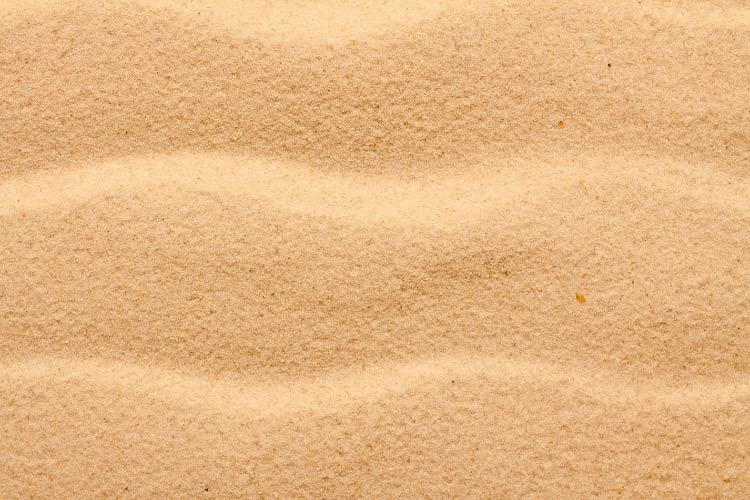
Did someone say sand patio? Sand actually makes for a pretty flexible and creative patio flooring choice. It’s minimalistic, natural, and it brings that beach vibe to the table. All you have to do is spread coarse sand over a leveled area and press it down a bit to make it smooth and compact. Edging is going to keep it all together so it doesn’t shift too much under heavy foot traffic. It’s easy enough to install yourself and you don’t need to make any harsh purchases that’ll set you back further than you want to be. You don’t have to use only sand because it works well as a base for stepping stones or pavers.
