
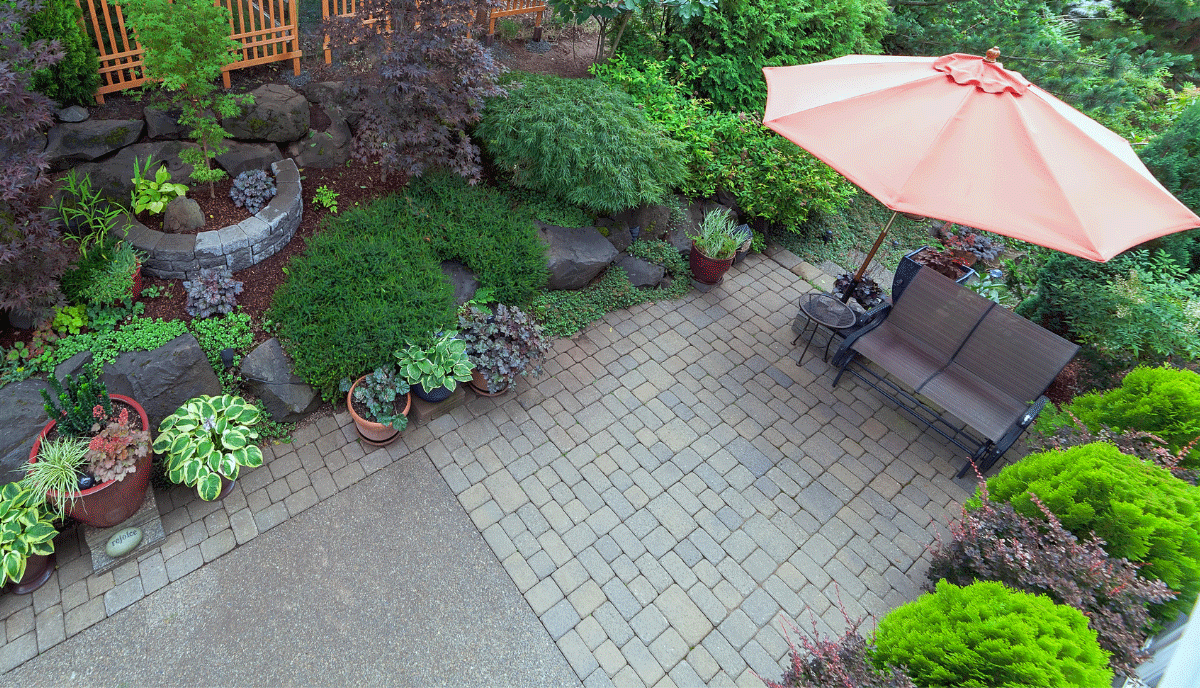
Small spaces most certainly don’t equal lost opportunities, overcrowded design, or a lack of creative potential. It simply means that every paver in your backyard is going to be working harder than it would’ve in a large area. It’s less about covering every inch of your backyard, and more about being intentional with your layout and placement. With these small backyard pavers ideas, you can visually stretch your yard by strategically placing gaps, shaping the look deliberately and restraining repetition.
1. Mini Grid Paver Layout
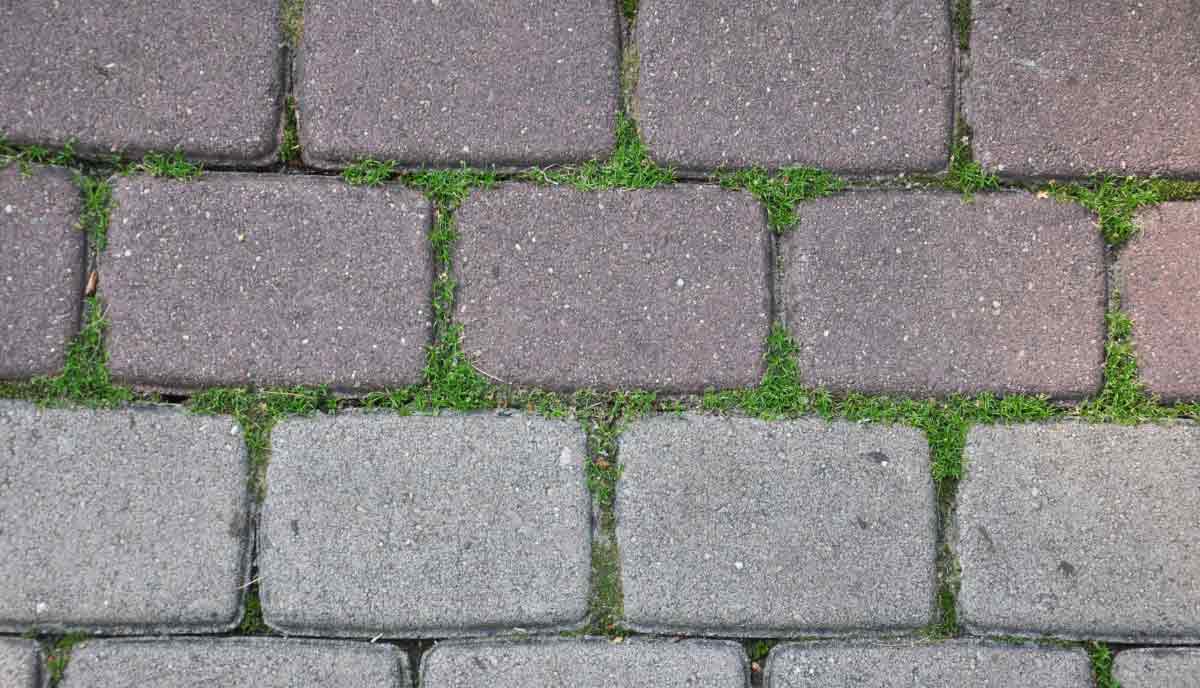
Mini grids are a classic when it comes to small backyard paver ideas. Lay small square pavers in a tight, evenly spaced grid with grass, groundcover, or gravel in between. It works especially well in narrow yards because the straight lines emphasize length, creating the illusion of more space. It’s called a mini grid for a reason, so stick to small pavers to keep the surface from feeling heavy. And try to stick to consistent spacing, because uneven gaps break the illusion, drawing attention back to the size of the yard.
2. Diagonal Paver Placement
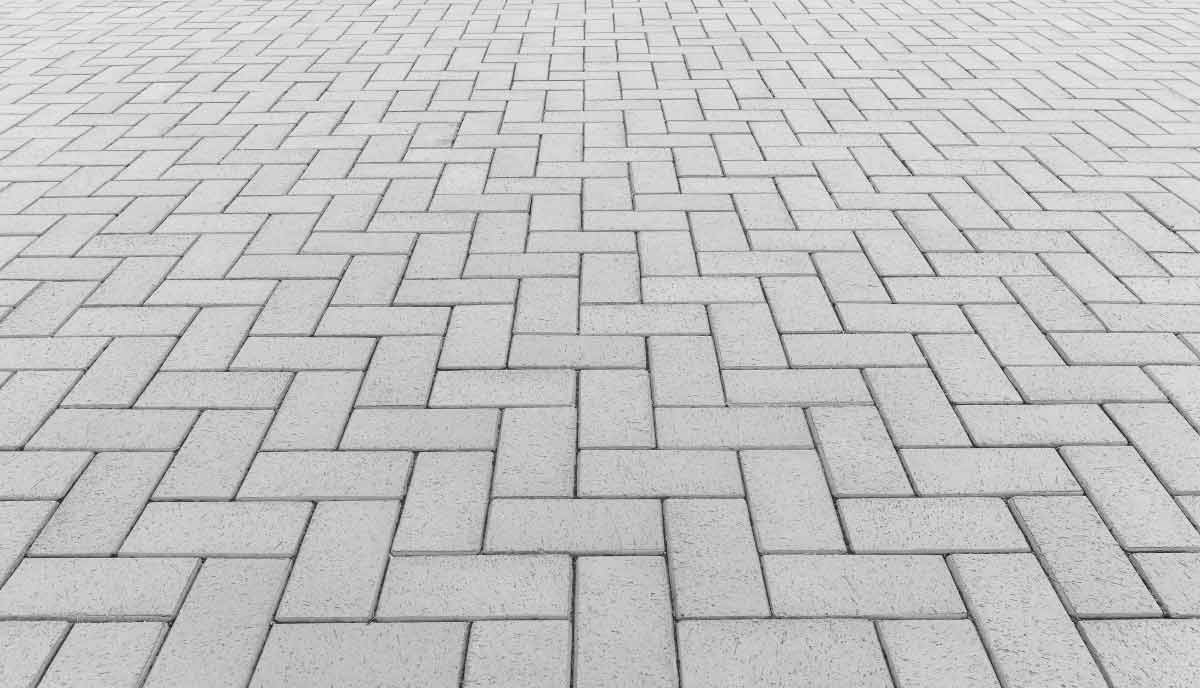
This is another one of the paver layouts that can make your backyard feel larger. Instead of straight, square gridlines, lay your pavers at a 45° angle to break the boxy outline of the yard. You can choose between square and rectangular pavers, depending on the look you’re going for. Clean borders will keep the design from feeling chaotic, which is an essential part of designing a cramped, square yard.
3. Mixed-Size Paver Mosaic
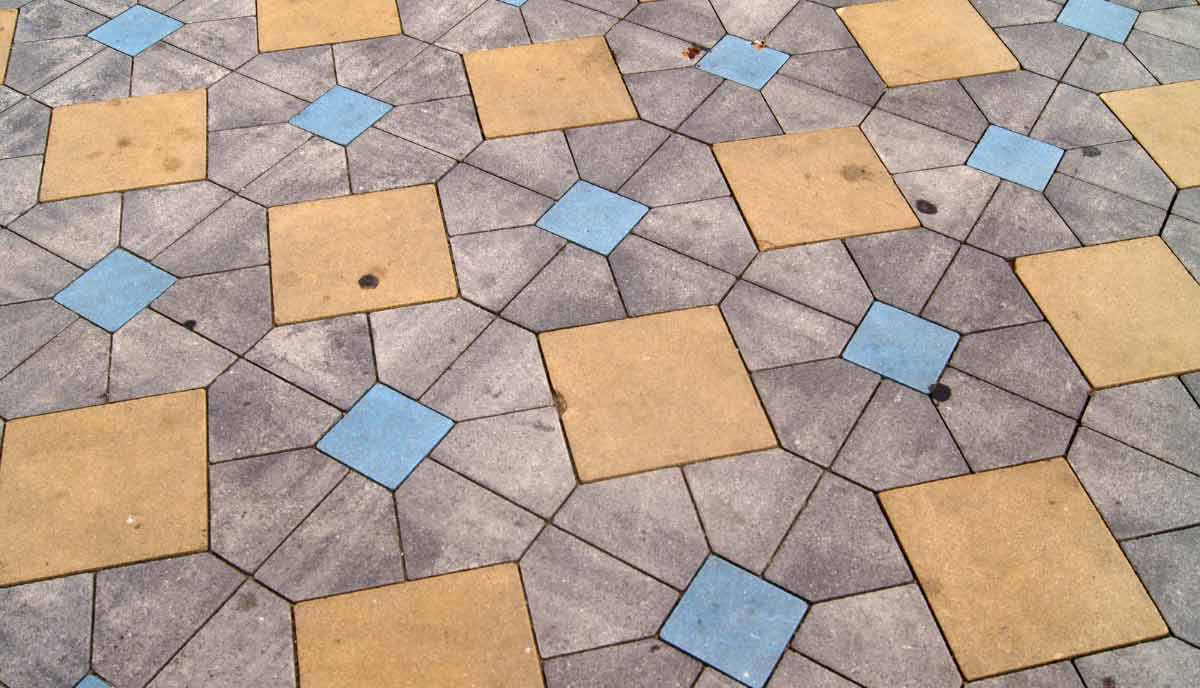
Did you know there’s a way to use leftover pavers and mix-and-match sizes and styles that you found on sale? Yes, you can finally make use of those awkward heaps of pavers in your backyard that you were going to get rid of. But, the key with this design is balance and restraint. Don’t go overboard with an over-the-top, cluttered look because layered and intentional is so much better. Use large pavers to anchor the design and fill gaps and spaces with smaller ones. It should be more of a collected look than a random patchwork.
4. Pavers With Gravel Gaps
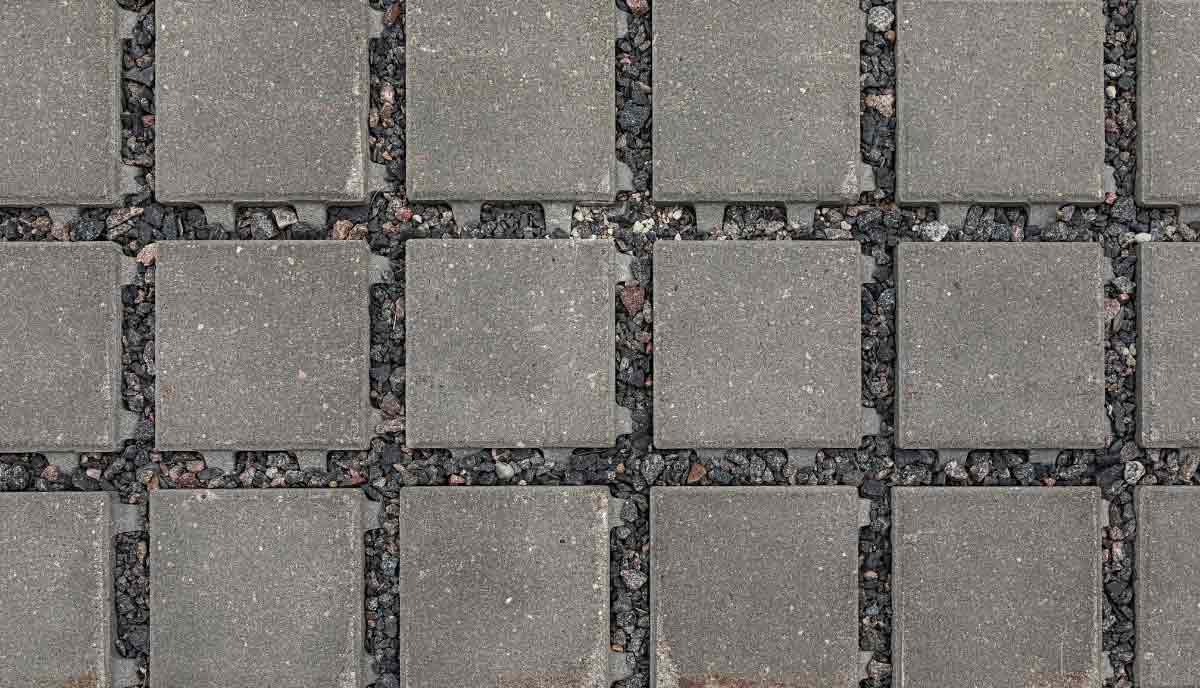
Pavers are great, but they can’t always carry the entire load of making your backyard aesthetically pleasing. To reduce costs and the number of pavers needed, leave bigger gaps and fill them with gravel. It improves drainage, adds a refreshing contrast between the stone and gravel, and provides breathing room to make the space look less cluttered. Use light gravel in shaded yards, and darker gravel in the opposite and remember edging to keep the gravel and pavers from shifting.
5. Minimalist Concrete Pavers
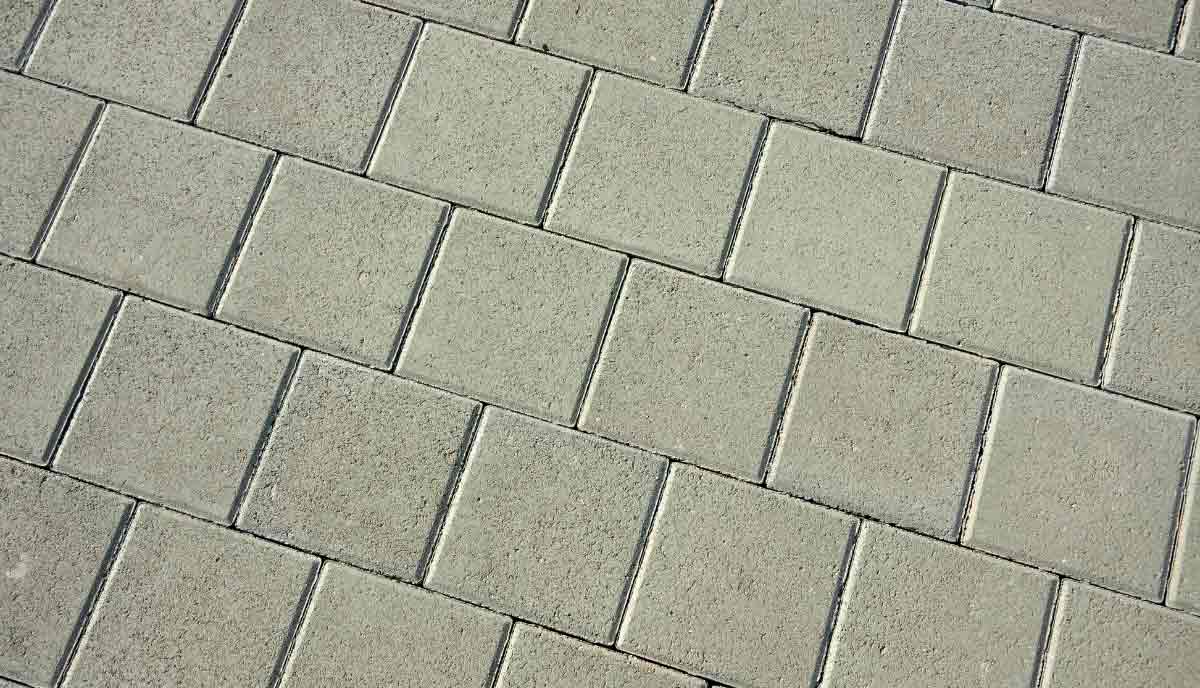
If your backyard needs calm, whether it’s small or oversized, you can never go wrong with minimalist concrete pavers. Think clean lines, neutral tones, and generous spacing for simplicity and flow. Small pavers defeat the purpose, but large or medium pavers don’t take any attention away from your furniture, plants, and decor. Avoid any and all patterns that are going to compete with your yard’s layout, and go for slightly wider joints to soften the look.
6. Central Paver Square
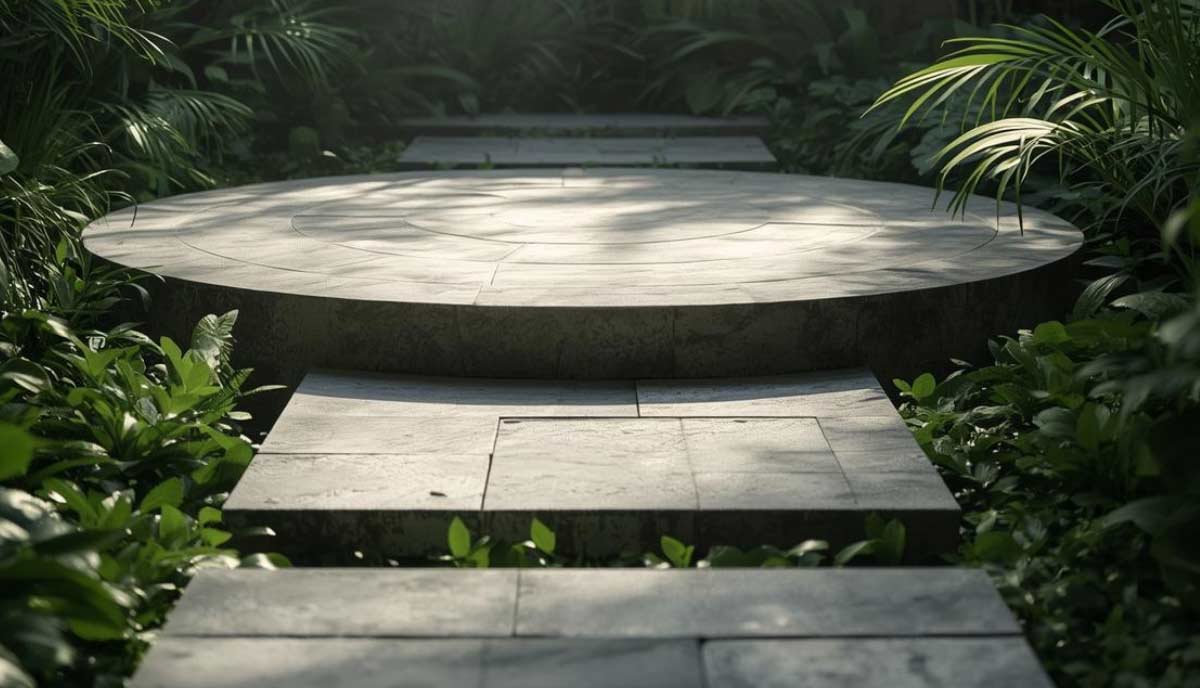
Instead of spreading pavers everywhere in your small backyard, let them shine in a defined area, preferably right in the middle. That single square becomes the anchor for seating, a nice little table, or even a fire bowl. The key is to choose the right size because too small makes it look accidental, while too large could overwhelm the space. You can fill the rest of the area with anything that suits your style, like lush greenery or simple gravel.
7. Floating Paver Look
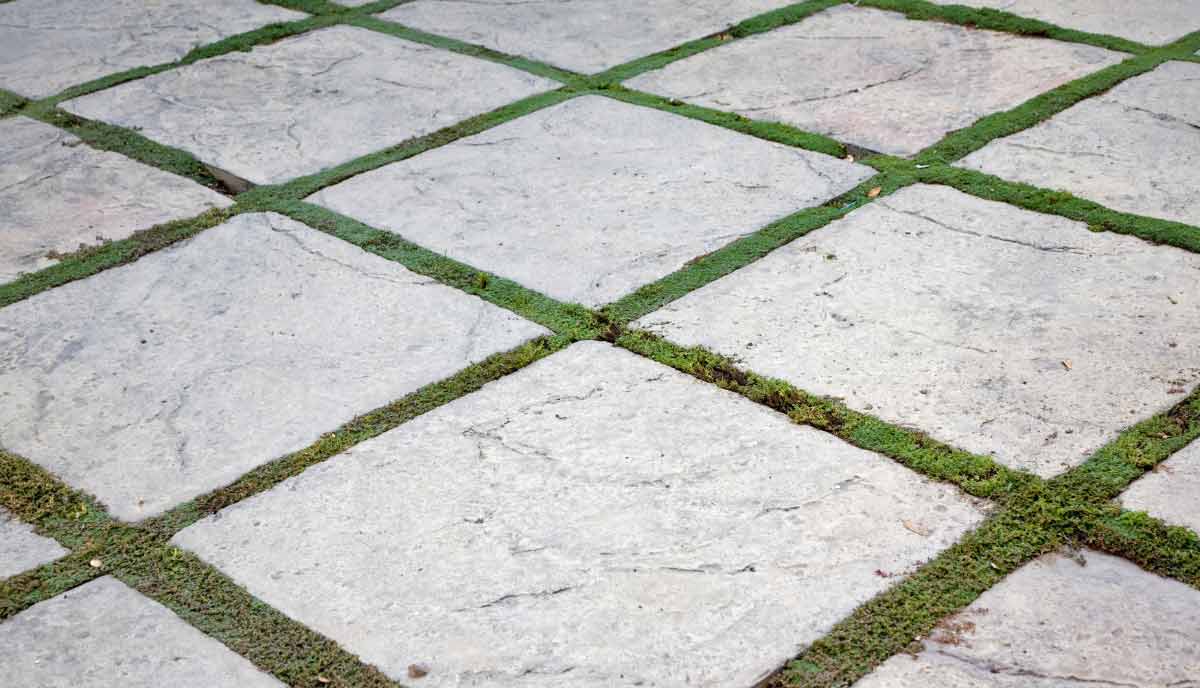
Nothing enlarges a small backyard like spaced pavers over gravel, grass, or groundcover. In this context, spaced means that the pavers are so far apart that they’re practically stepping stones. Choose rectangular or square pavers because they work best for this style and align them in straight lines to maintain order. This small backyard paver idea also works well in irregularly shaped spaces.
8. Two-Tone Small Pavers
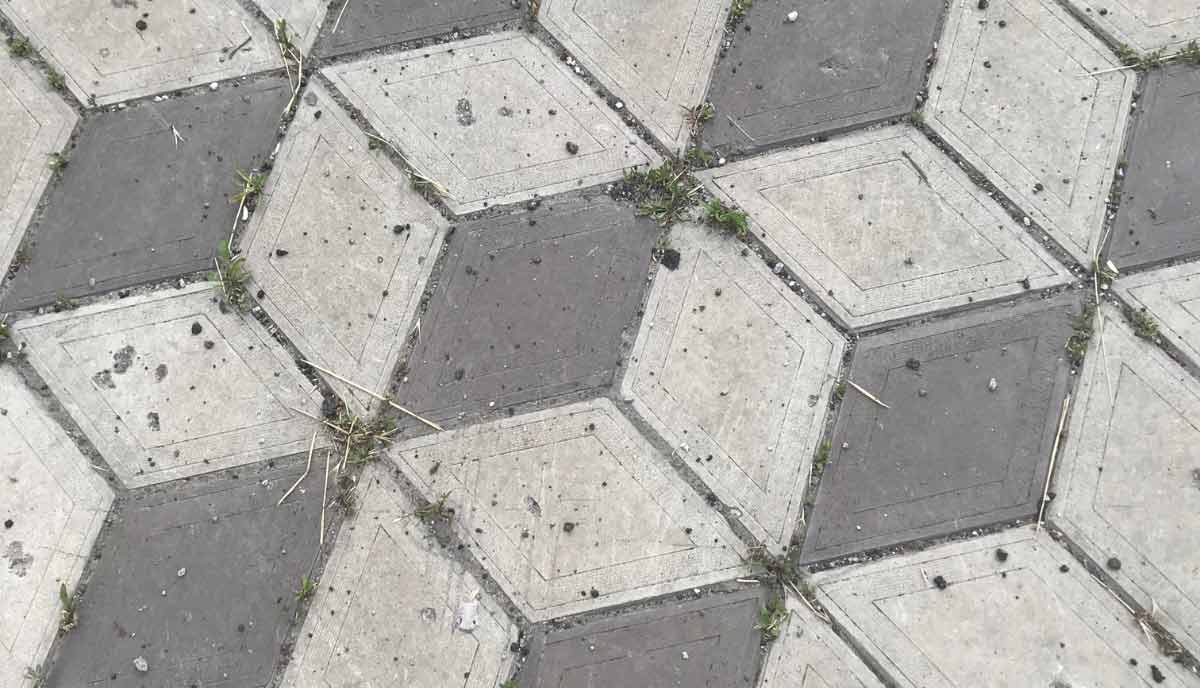
Yes, simplicity and single-toned looks do calm a space, making it appear bigger and more relaxed. But two-tone small pavers add interest without the added clutter, which is a win-win. Use one color as the base and add the second for subtle accents, like borders and stripes. Combinations that work well are soft gray and charcoal, sand and beige, and warm stone tones. Remember, keep it simple with two colors maximum.
9. Slim Rectangular Pavers
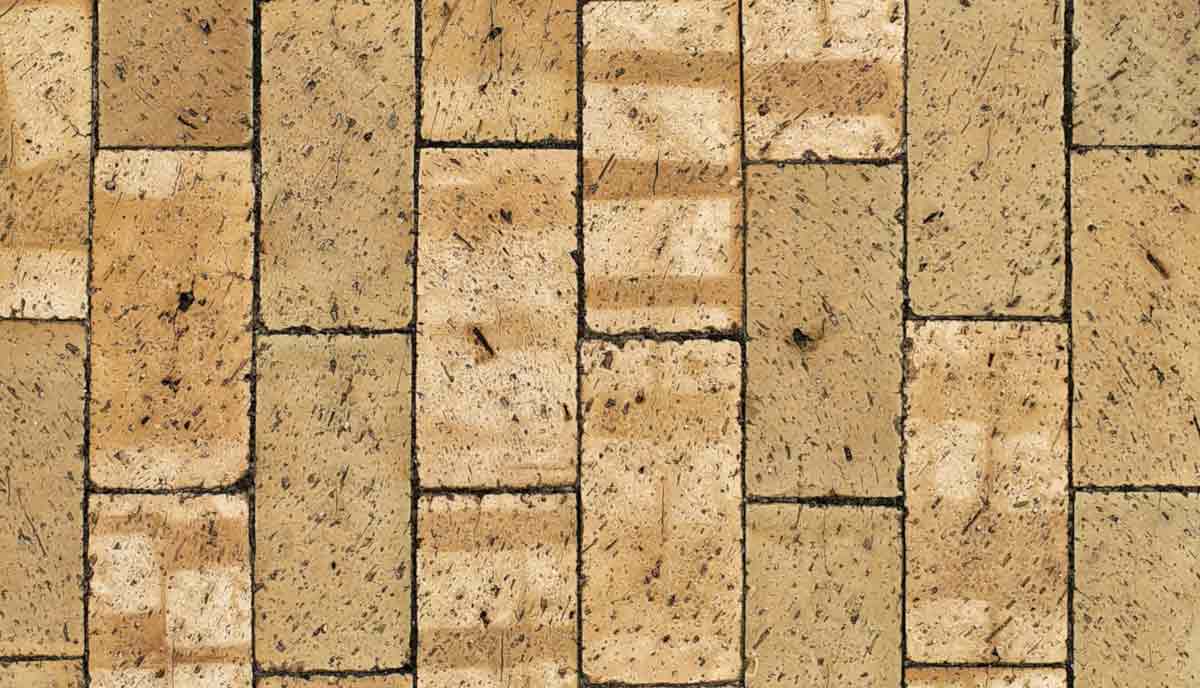
Slim rectangular pavers take on the same approach as a mini grid paver layout. The idea is to emphasize direction to visually stretch the space. Lay them lengthwise to achieve exactly this, or crosswise to widen the yard. To maintain simplicity in minimalist designs, you can also use them in running bond or stacked layouts.
10. Compact Circular Pavers
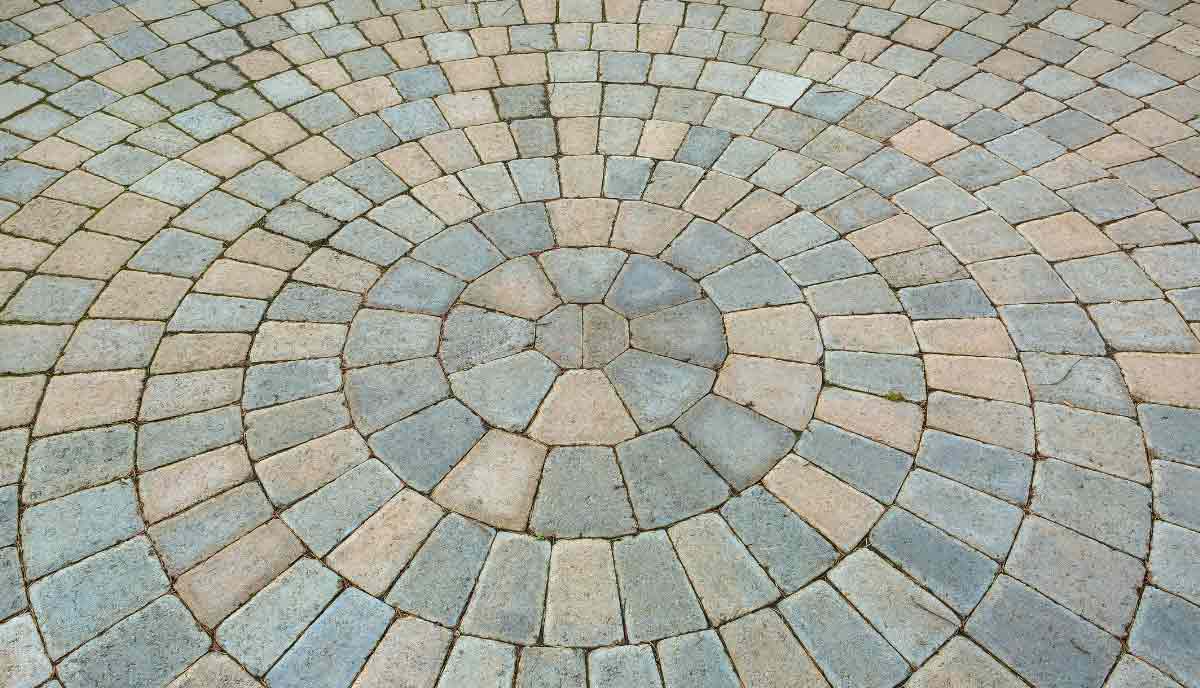
Circular pavers break rigidity in small square backyards, introducing movement. The only downside to this small backyard paver idea is that installation is going to require some planning if you want to maintain symmetry and avoid awkward gaps. But the benefits and the final look are going to be worth it. Use gravel or groundcover joints to manage the spacing, and the only rule is to not overdo it with too many circles.
11. Paver and Natural Material Mix
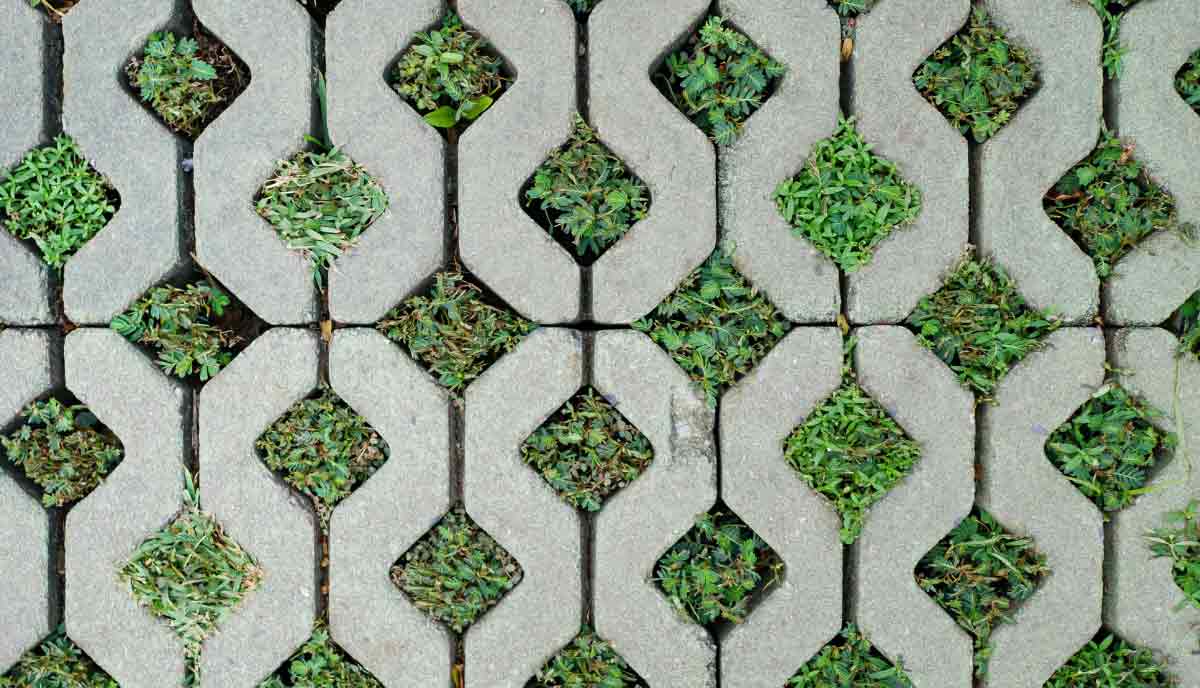
Gravel and pavers go together beautifully and you can incorporate it into most of these ideas, but there are other natural materials that work just as well. Stone, wood, and planting areas improve balance, break up hard surfaces, and add warmth and texture. Keep the pavers for the areas that need stability and natural materials where your design is in need of flexibility.
12. Simple Border-Only Pavers
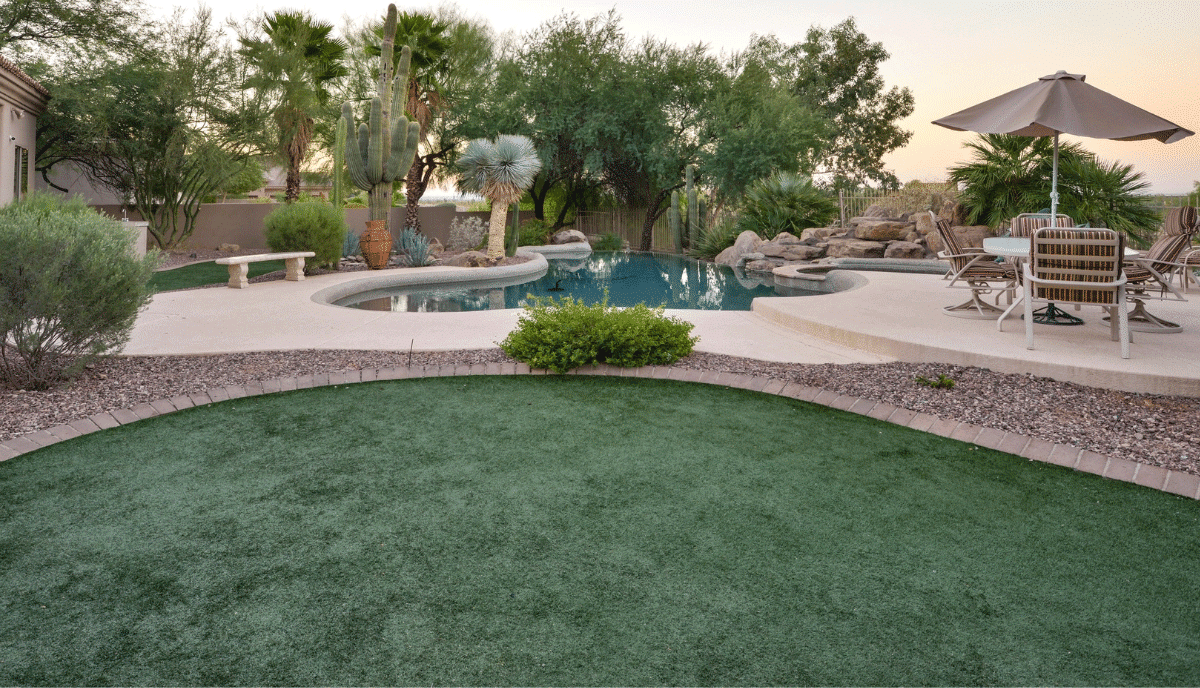
Most of these small backyard paver ideas are aimed at making the space seem larger by not overcrowding it with too many pavers. This is another one of those techniques. Leave the center of your backyard open and define the space with a paver border right around. You can also use the same pavers to outline patios, paths, and planting beds to keep the look unified.

Jamie is the founder of The Backyard Pros. When he was 15 years old he started working at a garden centre helping people buy plants, gardening products, and lawn care products. He has real estate experience and he is a home owner. Jamie loves backyard projects, refinishing furniture, and enjoys sharing his knowledge online.