

Did you know that you can prioritize conservation without sacrificing beauty? Xeriscaping is designed to reduce the need for supplemental water, while it saves you money and cuts down on mowing, fertilizing, and other not-so-fun gardening tasks. Whether you’re into the look or the environmental benefits, xeriscaping is perfect for busy homeowners looking for stylish, eco-friendly outdoor spaces in areas with hot climates or frequent droughts.
With native plants, drought-tolerant species, and natural hardscaping elements, you can turn any yard into a gorgeous outdoor sanctuary that thrives with minimal water. Here are some xeriscaping ideas for low-maintenance yards that’ll help you with that:
1. Tiered Rock Walls
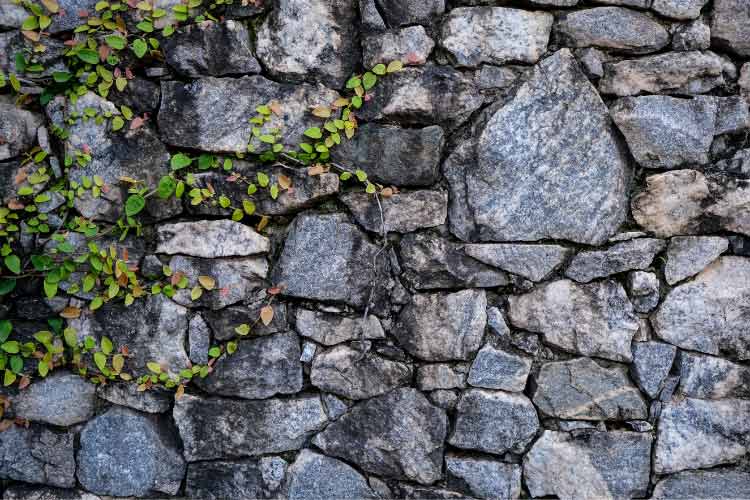
Tiered rock walls are perfect for most yard types and gardening styles, especially sloped or uneven yards because they allow you to have multiple tiers instead of a single flat area. If you build them wide enough, they provide extra benefits by doubling as seating areas. Basically, they’re the perfect addition to your landscape; but how do tiered rock walls fit into the idea of xeriscaping?
They prevent soil erosion and absorb heat during the day that’s released at night to create a microclimate that benefits your drought-tolerant plants. They also reduce water runoff so your plants can benefit from the little water they receive, so fill the spaces between the tiers with succulents and flowering perennials that require minimal watering.
2. Drip Irrigation Systems

Once you switch to a drip irrigation system, your water bill will decrease significantly and you’ll have more free time. If that doesn’t make this one of the best xeriscape landscaping ideas for low-maintenance yards, you’d be happy to know that it also promotes healthier root systems. This means your plants are less likely to get diseases caused by overly wet foliage.
Drip irrigation slowly and consistently delivers water directly to plant roots to minimize waste from evaporation and runoff. You can find modern systems that can be automated with timers, so you won’t have to worry about remembering to water your plants. Installation is simple and you can expand the tube as your garden grows.
3. Plants Grouped by Water Needs

It can be a hassle to remember how much water each plant needs if they’re all mixed up. Plus, it can be damaging to those that need little water if they’re paired with others that need a lot, and vice versa. Hydrozoning, or grouping plants by their water needs, is one of the smartest xeriscaping strategies.
It ensures that thirsty plants are placed together, while the drought-tolerant varieties are grouped to receive less water at a time. Watering is simplified, maintenance is much easier, and you’ll use less water because the risk of accidentally overwatering plants is eliminated.
4. Drought-Tolerant Perennials

There are plants that return year after year with minimal upkeep and you want to include them in your xeriscaping landscape. Drought-tolerant perennials offer long-term color and texture while conserving water, unlike annuals that need to be replanted each season.
Think Russian sage, black-eyed Susan, yarrow, coneflowers, and lavender. They develop deep root systems to withstand dry conditions and most varieties have silvery or gray-green foliage that reflects sunlight, which helps the plants resist heat stress.
5. Gravel

Xeriscaping and gravel go hand in hand. Unlike traditional grass lawns, which are also great, gravel doesn’t require constant watering and mowing. It pairs beautifully with succulents and ornamental grasses, and if you layer gravel with weed barriers, it helps suppress unwanted growth.
It’s also a more cost-effective way to improve drainage and prevent water from pooling in unwanted areas. You can use gravel anywhere from your garden beds to your lawn area to reap the benefits of a low-maintenance, desert-like landscape.
6. Succulent Borders

Frame your pathways, patio, or garden beds with plants that scream “xeriscaping” like nothing else. Succulents like hens-and-chicks, sedum, agave, and echeveria are beautiful throughout the year and they thrive on minimal water. They store water in the leaves, so they can withstand long dry periods and they require little pruning.
Arrange them in rows or clusters to create neat borders that’ll define spaces and add a sculptural quality to your garden, especially if you combine your succulents with gravel or stone edging. If you’re renting, plant them in symmetrical pots to create your borders.
7. Mulch Beds

Organic mulches like shredded bark, wood chips, and straw break down slowly over time, improving soil fertility. They also retain moisture, regulate soil temperature, and reduce evaporation. Inorganic mulch like gravel and rubber hold the same benefits but they last longer and require less frequent replacement. Both types also prevent weeds from sprouting and shield roots from intense sun and heat stress. Use it to create zones in your yard or pair it with drip irrigation to maximize water efficiency.
8. Groundcover Lawns

Once again, traditional grass lawns prove to be replaceable with more eco-friendly alternatives. This time, groundcover is one of the xeriscape landscaping ideas for low-maintenance yards that steals the show. Creeping thyme, sedum, moss phlox, and clover need far less water than turfgrass, but they provide the same lush green coverage.
They’re also drought-tolerant, can withstand foot traffic, control erosion, and reduce the need for pesticides, mowing, and fertilizing. What’s more, some varieties, like creeping thyme, also release a pleasant fragrance when you walk on them.
9. Rock Garden

Rocks and succulents may be synonymous to xeriscaping, but you can create an even better flowing landscape if you combine the two elements. Whether you’d prefer a minimalist modern look or something more natural and mountainous, rock gardens are worth more than their rugged visual appeal.
Rocks retain heat and regulate soil moisture, while plants like sedum, agave, hens-and-chicks, and alpine flowers are adapted to dry, well-draining soils. You can design your rock garden to your liking and situate it anywhere in your yard because they require little upkeep once established.
10. Stone Pathways

Xeriscaping is something to be proud of, so you can never go wrong with a pathway through your yard to show off your natural environment to guests. Unlike paved walkway alternatives, stone paths allow water to drain easily, which reduces runoff and erosion. The options are endless, ranging from flagstone and slate to river rocks and decomposed granite.
Regardless of the material you choose, the key is to design it in curved, winding patterns for an organic feel or in straight, geometric lines for a modern, minimalist touch. If the awkward spaces between the stones bother you, pair it with gravel or mulch, or even drought-tolerant groundcover.
11. Artificial Turf

It turns out that a lot of the best xeriscape landscaping ideas for low-maintenance yards are traditional lawn substitutes. Artificial turf is the best option if you still want the look of the grass without the water demands or constant upkeep.
Modern-day artificial turn closely mimics the appearance of real grass, but it doesn’t require the same irrigation, fertilizing, and mowing. It’s an especially helpful change if you live in an area with strict water restrictions or if you’ve got patches where natural grass won’t grow.
12. Ornamental Grasses

Blue fescue, feather reed grass, and Mexican feather grass thrive in dry conditions and provide year-round aesthetic appeal. They add movement and height to your landscape, and they require very little water once established.
All you have to do is give them an annual trim to remove old growth and your yard will be a haven for birds and beneficial insects. Use ornamental grasses as borders, accents, or mass plantings and pair them with drought-tolerant perennials and succulents.
13. Solar Lighting

Now that you’ve got the greenery and hardscaping covered, it’s time to enhance safety and ambiance in your yard to let your plants shine. Illuminate the main features with solar lighting that require no wiring or electricity. They’re easy to install and move as your needs change, and they also charge during the day to turn on automatically at dusk for a hands-free experience. Solar lights are more energy-efficient and eco-friendly than traditional lighting and you can find various styles and designs to complement your low-maintenance xeriscaping yard.
14. Desert Wildflowers

California poppies, blanket flowers, penstemon, and desert marigolds thrive in arid conditions, and they sure show it. Instead of looking dry and gloomy to fit into those conditions, they offer bursts of red, orange, yellow, and purple.
They bloom in cycles, so you’ll have a different landscape throughout the year that requires little intervention once established. If you plant a mix of native desert wildflowers, you create a biodiverse habitat that supports pollinators in your very own yard.

Jamie is the founder of The Backyard Pros. When he was 15 years old he started working at a garden centre helping people buy plants, gardening products, and lawn care products. He has real estate experience and he is a home owner. Jamie loves backyard projects, refinishing furniture, and enjoys sharing his knowledge online.